Making the most of bitter gourd diversity at AVRDC

Another interesting agrobiodiversity piece in AVRDC’s newletter today:

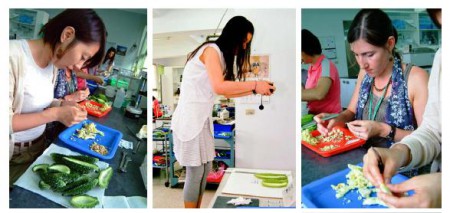
The AVRDC Nutrition group is locked in a struggle with a cucurbit – and so far, warty Momordica charantia appears to be winning! As part of the project “A better bitter gourd: exploiting bitter gourd to increase incomes, manage type 2 diabetes, and promote health in developing countries,” researchers have begun preparing samples of the vegetable for later laboratory analysis.

Interested? “Like” the project’s Facebook page then!

Mapping Australian biodiversity

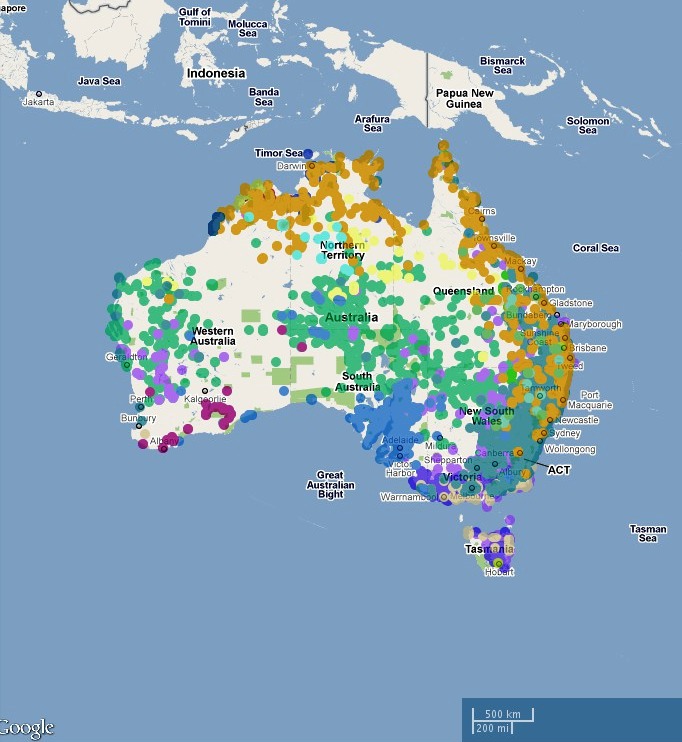
I finally got around to having a go at the Atlas of Living Australia. Very nice. You can make, and download images of, pretty maps of species distributions, Glycine in this case.
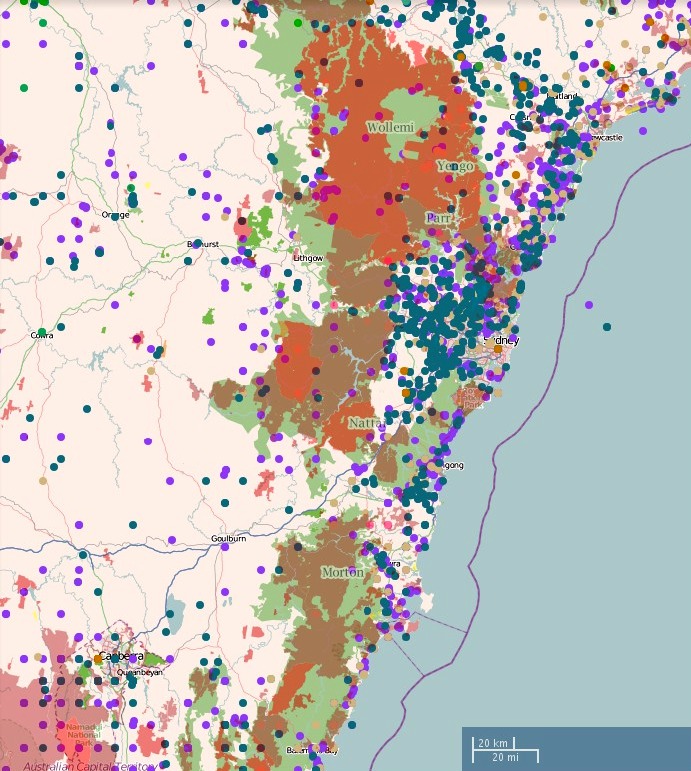
And you can mash that up with lots of different environmental layers, such as protected areas, as below.
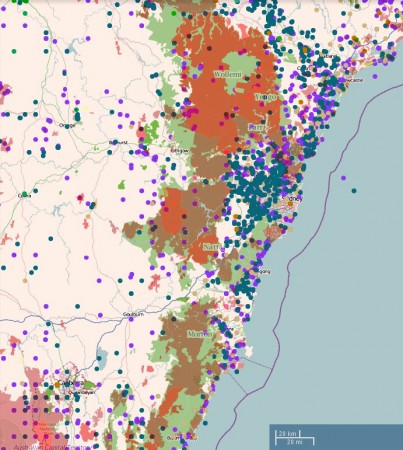
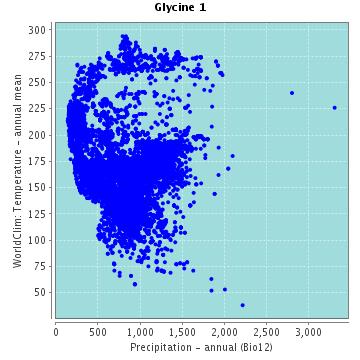
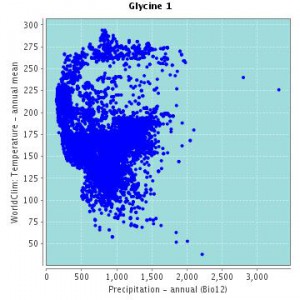
There are nifty spatial analysis tools built in, to help you predict species distributions based on climate, for example, or explore the range of adaptation of a taxon. You can contribute to the data through citizen science projects. And much more. Well worth exploring.
What you can’t do — or at least I couldn’t find a way of doing it — is export the species distribution data to a kmz for use in Google Earth. Something I’ve complained about before for other biodiversity portals. Maybe someone out there will tell us why that is. 1

One final thing. It’s a great idea to feature a number of “themes” on the atlas website, to get people started. At the moment it is things like wattles, “iconic species” and ants. Why not crop wild relatives?
Nibbles: Cryo, Tree diversity, Agroforestry, Seed industry, Trigonella, Ancient MesoAmerica, Niche models

Featured: Seed distribution

Paul has some doubts about the whole bag-of-seeds-on-a-Coke-can thing:

On the point of distributing diverse seed — surely one of the principles of seed diversity conservation is regional difference and capacity for local conservation — centralised distribution would almost limit diversity by definition. I recognise that you talk about how it would educate and encourage seed-saving behaviour, but it would have most relevance where these skills are already lost.

My own doubts centre more about how you manage the information. If there’s a Genebank Database Hell, surely this kind of thing would be its seventh circle? Anyway, Jacob does have a reply:

I think that “centralized distribution” doesn’t necessarily imply an untargeted approach.

Let the discussion continue!