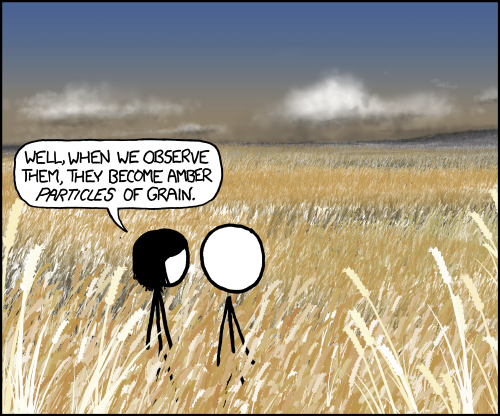
Two of my very favorite topics in one genius image.
Agricultural Biodiversity Weblog
Agrobiodiversity is crops, livestock, foodways, microbes, pollinators, wild relatives …
Two of my very favorite topics in one genius image.

Do play with your food. It could make you rich and famous, as it has English photographer Carl Warner. There’s a slideshow at La Repubblica, where the interview breathlessly gushes that “The Arcimbolo of the new millennium is sexy, speaks English, and uses his art to fight against obesity”. We’ve seen some edible landscapes before; I’m linking to these partly because Warner has used some very unusual species in his images. I’m sure you’ll be able to find them …
Astute followers of the Commenters to our blog will know that James Nguma, an enterprising Kenyan, is looking for scientific names for some trees his group is interested in. 1 James’ comment comes at an opportune moment. Scidev.net summarizes an article by researchers at the World Agroforestry Centre to the effect that African farmers deserve certified tree seed. 2 Why? “To help farmers know what trees they are planting so that they can make informed decisions”, according to the lead researcher. Also today, Eldis Agriculture drew attention to a 2007 report, also from the World Agroforestry Centre, that presented results from a survey of tree-nursery farmers in Malawi. And the point of this post is to ask what the people who wish to plant trees, like James Nguma and Luigi’s MIL, actually want?
My suspicion, although I have carried out neither the desk studies nor the on-site interviews to confirm this, is that they want sturdy saplings of locally sourced provenance that will grow away well and that are adapted to local conditions. Cheaply. How will certified seed serve their needs? And how can nursery owners be helped to supply them with what they need?
A third paper — Innovation in input supply systems in smallholder agroforestry: seed sources, supply chains and support systems — actually supplies answers. But it also sounds a cautionary note:
Lessons from the evolution of smallholder crop seed delivery systems can be applied to tree germplasm supply and indicate that a commercial, decentralised model holds most promise for sustainability. However, current emphasis in agroforestry on government and NGO models of delivery hinder the development of this approach.
The paper is Open Access, so you can read the whole thing and see whether you agree that neither of the two “centralized” models, Government and NGO, is actually the best way to get good quality tree seedlings into the hands of farmers who want to plant them.