- Ethnobotanical and genetic assessments of Central American avocado landraces reveal novel sources of biodiversity and ancient migration patterns. DNA from landraces, and interviews with farmers, show that people transported and cultivated avocados across the Americas long before European contact, with landraces from lowland Nicaragua and Honduras in particular showing evidence of ancient migration from South America.
- The Circle of Seeds: An Ethnography of Seed Guardianship and the Making of Agroecological Futures in Paraná, Brazil. Community seed banks depend on relationships of care, reciprocity and collective labour, especially among women farmers, and not just on knowing how to store seeds properly. Though that helps, clearly.
- iNaturalist as a Tool to Improve Agroecological Biodiversity Knowledge: An Ecuadorian Case Study. A citizen science platform can strengthen agroecological biodiversity knowledge, but more efforts are needed to engage farmers.
- Are agroecological practices pro-poor? Evidence from smallholder farms in Zimbabwe. Farmers using agroecological practices were generally wealthier and their farms were more diverse in crop and livestock species, but the association between the use of improved practices and diet outcomes was inconsistent.
- Regenerative agriculture for dietary diversity and food security in Zambia. Agroecological practices were positively correlated with improved dietary quality and food security, including (though not exclusively) through farm production diversity. No word on the wealth of the farmers involved.
- Indigenous Peoples’ knowledge systems and practices for climate survival. Indigenous knowledge systems, including of farmers, offer tested approaches to climate adaptation and resilience that warrant a central place in responses to environmental change.
- Guardians of Agricultural Biodiversity: Farmer Perceptions and Sustainability of Local Seed Varieties in Turkish Highlands. Farmers continue to maintain local seed varieties, driven as much by social, cultural and market considerations as by agronomic performance. But they need support.
- Religion, spirituality and faith of Swiss farmers in relation to biodiversity-linked farming behaviour. Farmers’ religious and spiritual values can shape biodiversity-friendly management decisions, showing personal belief systems are important in conservation. Even in Switzerland.
The flour of Kenyan agrobiodiversity marketing
Here’s the latest in my continuing series of posts on interesting approaches to marketing agricultural biodiversity here in Kenya.
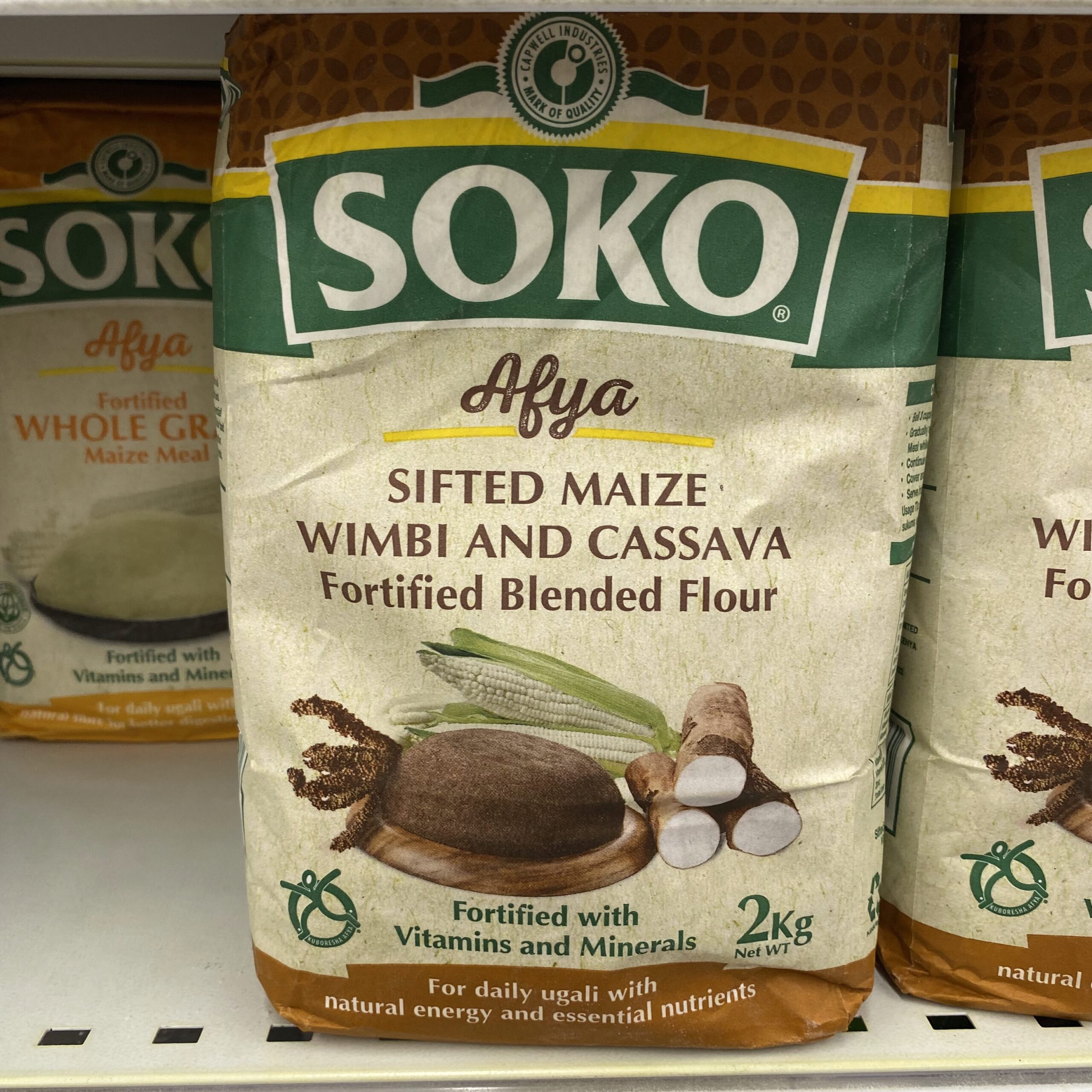
I was pleasantly surprised by this product, which seems to add finger millet and cassava to your basic maize flour for making ugali. A nice way to add taste and nutrients. And support some minor crops.
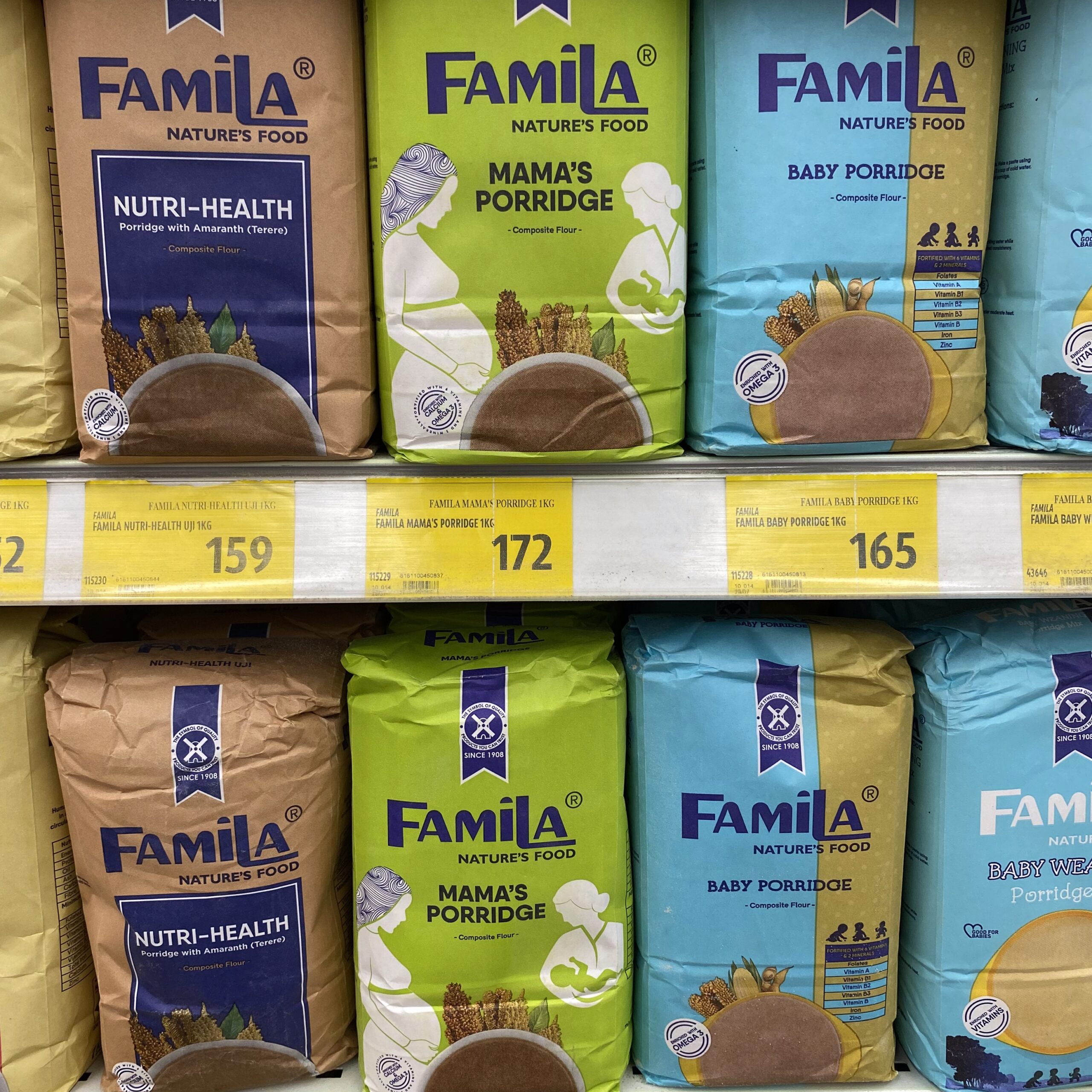 And this line of porridges is quite impressive, in the range — and presentation — of both their composition and consumer targeting.
Kenyan tradition, served fast
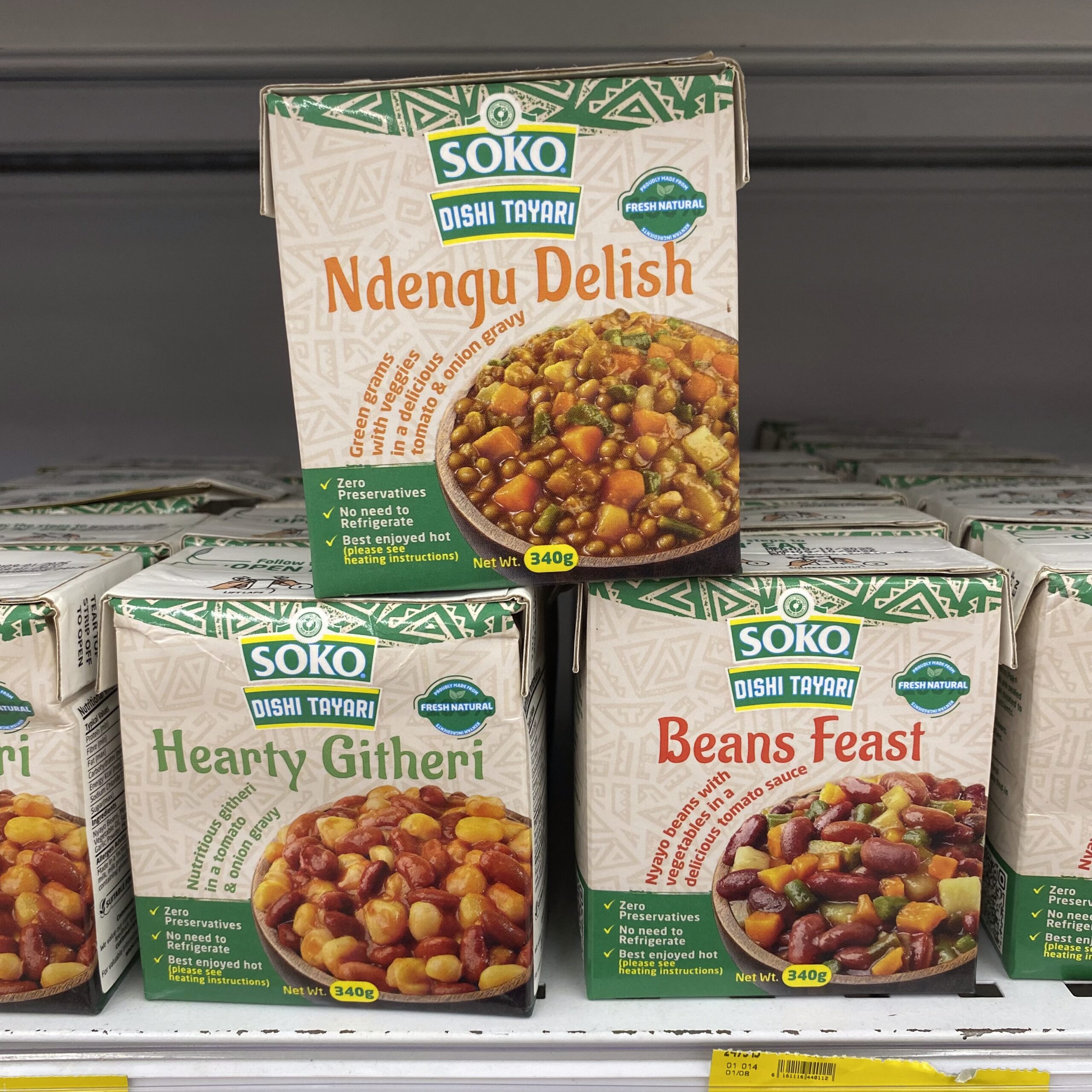 I want to put up another quick post on the theme of innovative marketing of so-called “opportunity crops” in Kenyan supermarkets. Yesterday it was nicely packaged frozen amaranth leaves that struck me. Today it’s pre-cooked single portions of traditional dishes. No need to refrigerate. Just heat. And eat.
Frozen amaranth and warm memories
Coming across this new (at least for me) frozen amaranth product in a Nairobi supermarket yesterday…
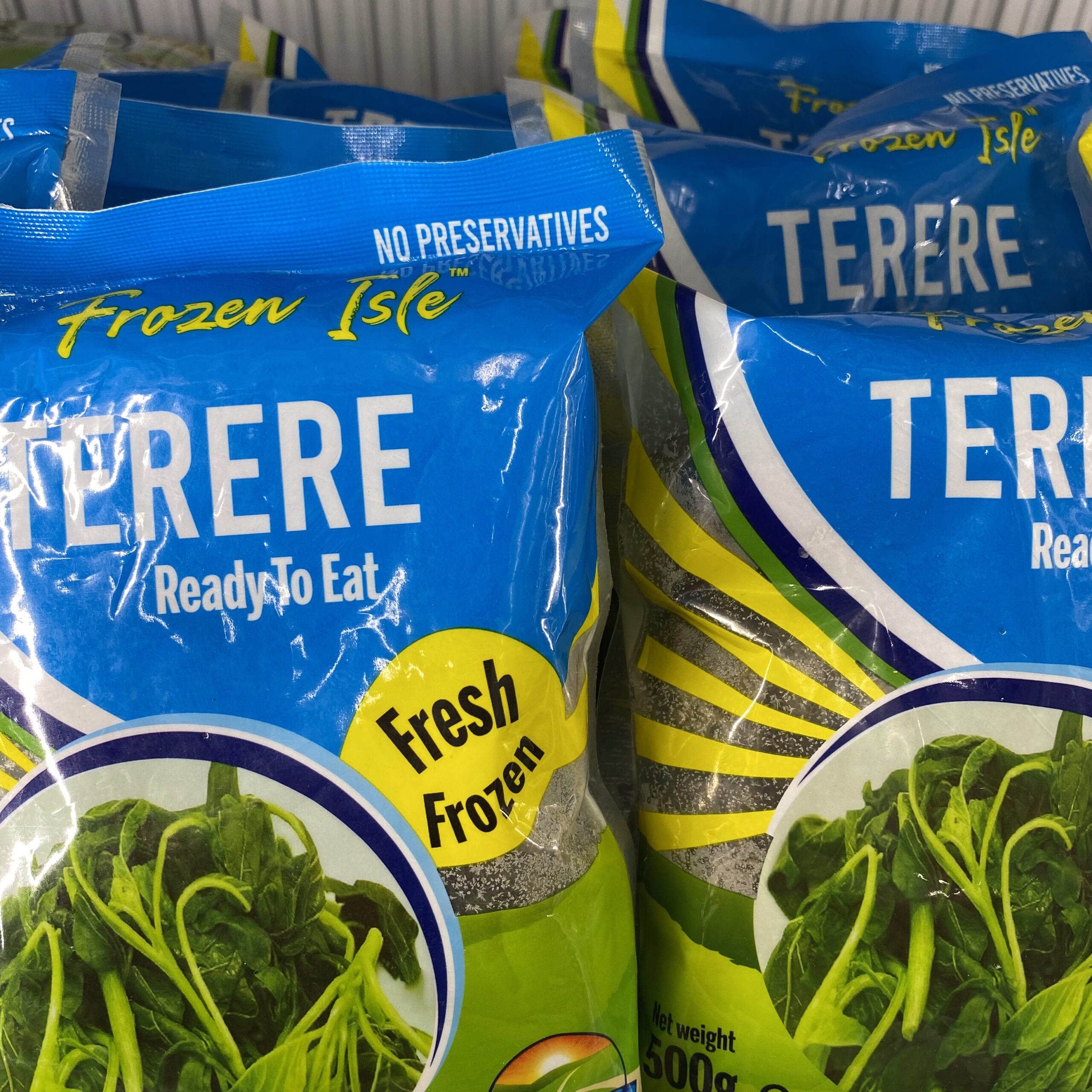
…reminded me that the Amaranth Institute Symposium 2026 is coming up soon.
It really is amazing the progress in the marketing and consumption of traditional vegetables that Kenyans have made in the 30 years since I made my infinitesimal contribution.
Nibbles: Tigray grapes, Latin American opportunity crops, Hawaii & Cayman coconuts, North Macedonian collecting, South Korea seed vault, Eswatini seed hub, Expensive healthy diets
- A North Macedonian professor’s 15-year rescue mission for landraces and crops surviving only in remote villages. Why bother? Stay tuned…
- Ancient grapevines in Tigray represent a unique genetic lineage with potential value for breeding varieties adapted to dryland conditions.
- Hawai’i Public Radio checks in on Maui’s coconut genebank. Useful to breed varieties adapted to really wet conditions, presumably.
- The Cayman Islands are also hoarding coconuts, along with lots of tasty fruits.
- A USD 400,000 boost from Taiwan for the Eswatini national genebank. Indigenous vegetables get much-needed love.
- A regional survey of 25 orphan crops across 13 Latin American countries finds quinoa and amaranth well-catalogued, but characterization budgets are the real bottleneck. Collecting and conserving in genebanks is great, but not enough.
- South Korea puts 330,000 seed accessions under “double lock”, hedging against both climate change and war. Conserving in one place is not enough.
- FAO warns that nearly a third of the world can’t afford the USD 4.28 a day that a healthy diet costs — nearly three billion people, and rising. That’s why we need al the above, I guess.