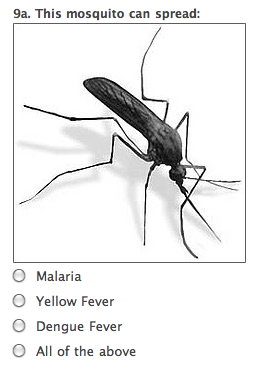
 I was thrilled to see a Tweet from Farming First asking How much do you know about agriculture, nutrition and health? Lots, and I love online quizzes and the opportunity to show off. Who doesn’t? So I hurried on over, to discover a quiz from IFPRI, tied to the meeting on Leveraging Agriculture for Improving Nutrition & Health, which opens tomorrow in New Delhi. It is really nice, with a good mix of questions and types of answers. I only really carped at one, pictured over there. Perhaps you can guess why. Anyway, I had a good time answering all the questions, definitely stumped for a few. Discovered I had to give them all sorts of demographic information; well, there’s no free lunch. So now can I have my results and the obligatory share this with all your friends or we’ll hate you forever link? No such luck. Instead I got sent to the answers, and instructions to give myself one point for every right answer and zero for wrong answers. But not my own answers, right or wrong. I couldn’t precisely remember them either, and we all know how easy it is to misremember in one’s favour. I think I got five wrong, four if we can have an argument about the way the question was worded. I did get the mosquito question right, because I knew what they meant, even if they didn’t.
Bottom line: It’s a good quiz, worth spending a few minutes on.