The Convention on Biological Diversity has just published its User’s Manual on the CBD Guidelines on Biodiversity and Tourism Development. It seems very thorough, as far as it goes — but does it go far enough? In particular, what about tourism offers based on agricultural biodiversity? This is what the guide says about how tourism could help achieve the Aichi Targets:
It has been shown that effective tourism planning and actions can contribute to achieving at least 12 of the 20 Aichi Biodiversity Targets contained in the [Strategic Plan for Biodiversity 2011-2020]. For some Targets (5, 8, 9, 10 and 12) this is primarily about greater control and management to reduce damage to biodiversity from tourism. For others (1, 11, 15, 18, and 20) this is about pursuing the positive contribution of tourism to biodiversity awareness, protected areas, habitat restoration, community engagement, and resource mobilization. A further dimension is the better integration of biodiversity and sustainability into development policies and business models that include tourism, thereby supporting Aichi Targets 2 and 4.
But what about Target 13? Remember that?
By 2020, the genetic diversity of cultivated plants and farmed and domesticated animals and of wild relatives, including other socio-economically as well as culturally valuable species, is maintained, and strategies have been developed and implemented for minimizing genetic erosion and safeguarding their genetic diversity.
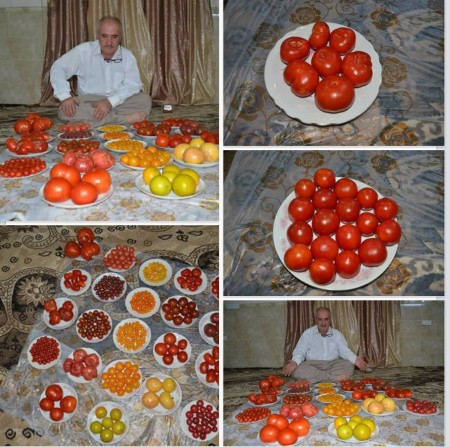
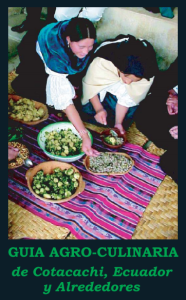 Surely agritourism is potentially just as valuable a tool for conserving biodiversity as trekking in protected areas. Shouldn’t the user’s manual, and indeed the guidelines, address the needs of this sector, or at least recognize that it exists? It seems that the CBD has trouble thinking of agricultural landscapes as harbouring biodiversity worthy of being conserved — and visited.

 Oh gosh, I’m really liking this