What IRRI’s DDG doesn’t mention in this video is that all those accessions (or many of them anyway) whose genomes are going to be painstakingly sequenced for the greater good of rice breeders everywhere are maintained, and have been for years, in the IRRI genebank. So I’m happy to say it for him. The international collections maintained by the CGIAR Centres are often called the crown jewels of the system. Cinderellas, more like.
Featured: Taro leaf blight
Zachee Ngoko answers (sort of) Afiniki Bawa Zarafi’s about the CABI Global Plant Clinic’s work on taro leaf blight.
Taro blight (P. colocassiae) is still a threat to farmers and “Achu” and “Ekwan” consummers in Cameroon. In the Western Highlands (WHL) and South West regions, that crop is disappearing at an alarming rate. Eating habit is being shifted to rice or maize or others comodities. At this moment, after the primary works we carried with CABI, future activities are slow to come. If nothing is done, in the next few years, that crop will joint cowpea (for the WHL) in a closed cupboard. Can you contribute? Please contact us.
Is CABI listening?
Adding value to agrobiodiversity
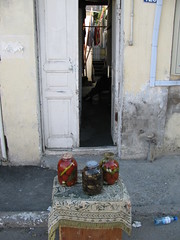
Armenian agrobiodiversity on sale
Բարի գալուստ Հայաստան!
Featured: Taro leaf blight
Afiniki Bawa Zarafi remains concerned about taro leaf blight:
Please what has been the finding of CABI/ Global plant clinic in respect to this coocyam leaf blight/ taro leaf blight? I am also interested in the result /findings of other scientists working on this disease.
And he’s right. More than a year ago in a comment to the same post Zachee Ngoko promised:
More information will come out as soon as available. Stay tuned!
Afiniki, and the rest of us, are still tuned. So what’s the news?