A very useful message on DAD-Net brings us all up to date “on progress in the development of the set of guidelines that FAO is developing to support policy-makers and technical experts in the implementation of the Global Plan of Action for Animal Genetic Resources…” Here’s the state of play:
- Preparation of national strategies and action plans for animal genetic resources in English/French/Russian/Spanish
- Breeding strategies for sustainable management of animal genetic resources in English/French/Spanish
- Developing the institutional framework for the management of animal genetic resources in English
- Surveying and monitoring of animal genetic resources in English
- Draft guidelines on phenotypic characterization of animal genetic resources
- Draft guidelines on molecular genetic characterization of animal genetic resources
- Draft guidelines on the cryoconservation of animal genetic resources
Two observations. The first is that I wish we plant people were so organized. And the second is that surely a place could be found on the FAO or DAD-IS website for such a list.
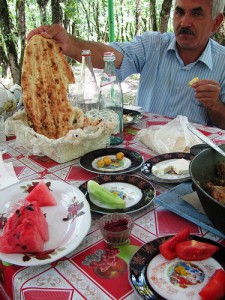 There were researchers from pretty much all of the countries of the
  Sure, they have problems. Where do they not? But there seems to be a real commitment to getting the job done, enthusiasm even. I was particularly struck by the relatively close linkages between genebanks and breeding programmes in many of the CAC countries. That you certainly don’t see everywhere. I wonder if it’s a legacy of the VIR system. They could do with more collaboration, coordination and sharing of responsibilities at the regional level, not to mention better integration with the rest of the world. But maybe this meeting will help. Anyway, all the presentations, abstracts and final recommendations will be online soon. I’ll post something when they’re up and you can make up your own minds.