A lengthy post over at The Archaeobotanist on the mapping of human-affected vegetation — anthromes — has reminded me that I never did link to a great visualization of the last 300 years’ worth of agricultural intensification and spread. The common link between the two seems to be Prof. Navin Ramankutty of McGill University, who had a hand in the building of both datasets.
Feedback on the CGIAR’s megaprogrammes
Speaking of the CGIAR’s change process and its mageprogrammes, they’re now soliciting comments on the one on Agriculture for Improved Nutrition and Health, having previously done so for the one focused on “improving the productivity of livestock and farmed fish by and for the poor.” Not a bad idea, of course. Are we going to get an opportunity to do so for the “nixed” megaprogramme on agricultural biodiversity too? And why are we hearing about these consultations via FARA rather than more directly from the CGIAR? What CGIAR RSS feed am I missing?
Ripe breadfruit blown from a tree in a storm
The final paragraph of The Economist’s obituary of Mau Piailug, Pacific navigator and culture hero:
In 2007 the people of Hawaii gave him a present of a double-hulled canoe, the Alingano Maisu. Maisu means “ripe breadfruit blown from a tree in a storm”, which anyone may eat. The breadfruit was Mau’s favourite tree anyway: tall and light, with a twisty grain excellent for boat-building, sticky latex for caulking, and big starchy fruit which, fermented, made the ideal food for an ocean voyage. But maisu also referred to easy, communal sharing of something good: like the knowledge of how to sail for weeks out on the Pacific, without maps, going by the stars.
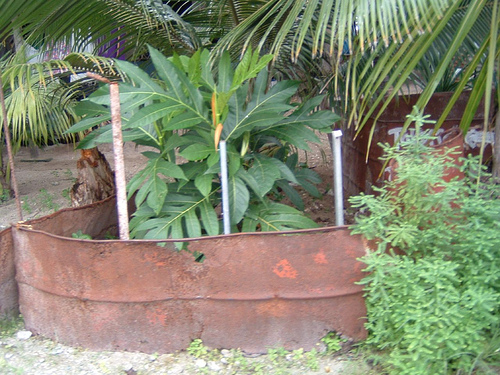
And like plant genetic resources, including breadfruit, perhaps. Anyway, a good word to know, maisu. Pacific people really take care of their breadfruit trees, incidentally. I took this photo in Kiribati a few years back.
Announcing a symposium on Biodiversity and Sustainable Diets
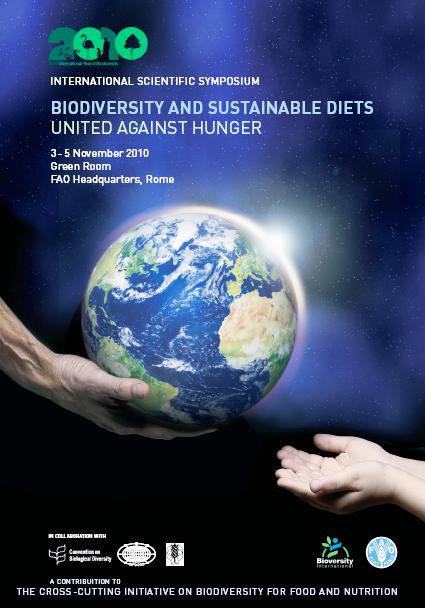 The first announcement and call for abstracts for the International Scientific Symposium on Biodiversity and Sustainable Diets is out. The symposium will take place 3-5 November 2010 at FAO Headquarters, Rome. But that’s all I know because the link to the announcement on FAO’s website is broken. (I’m writing this on Saturday: hopefully they’ll fix it on Monday.)
Wednesday: The link now goes to a Word document.
Featured: Nabateans
William, commenting on Nabatean agriculture, raises a much more widely applicable point:
What isn’t eatable to us humans sheep and goat often find palatable.
Crucially important in considering agricultural biodiversity.