We’ve blogged briefly about how vast areas of the Sahel, far from degenerating, are actually experiencing something of an agricultural rebirth, thanks in some small measure to tree-planting. 1 A post from Oxfam America summarizes some of those efforts, and explains that Oxfam brought some of the people responsible — elevated to eco-hero status — to Washington DC “for discussions with US legislators about local solutions to food insecurity and climate change.” We haven’t noticed any reports of those discussions, but are happy to draw attention to the high impact of local solutions to local problems, especially when they make use of agricultural biodiversity. Thanks to CAS-IP, which has an expanded gloss on Oxfam’s efforts.
CWR at Kew celebrations
Nigel Maxted has just sent a brief personal take on the recent Kew 250th anniversary celebrations to the Crop Wild Relatives discussion group. Here’s a snippet:
Personally I felt the audience was very receptive to the use and need for CWR conservation, but in my view far too many talks outside of the Plant conservation and agriculture session still failed to make the link between conservation and use. I would judge the gulf between the biodiversity and PGR sectors is still a problem that we need to address if we are to have ‘joined-up’ conservation of all biodiversity.
You can download Nigel’s presentation, “A global approach to crop wild relative conservation: Securing our food and agriculture gene pool.” But watch out, it’s a big PowerPoint file.
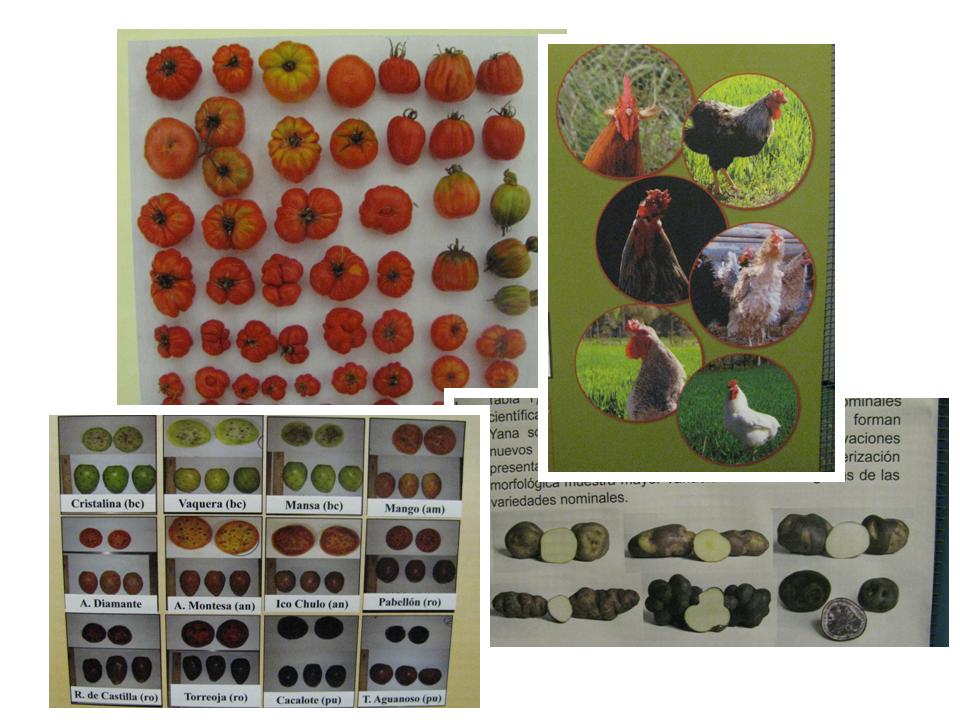
Agrobiodiversity on display at SIRGEALC
One of the pleasures of going to SIRGEALC is looking at the posters. I especially like the ones which feature photographs of agrobiodiversity along with the required graphs and tables. Here are some impressions: Opuntia and tomatoes from Mexico, potatoes from Peru and chickens from Chile.
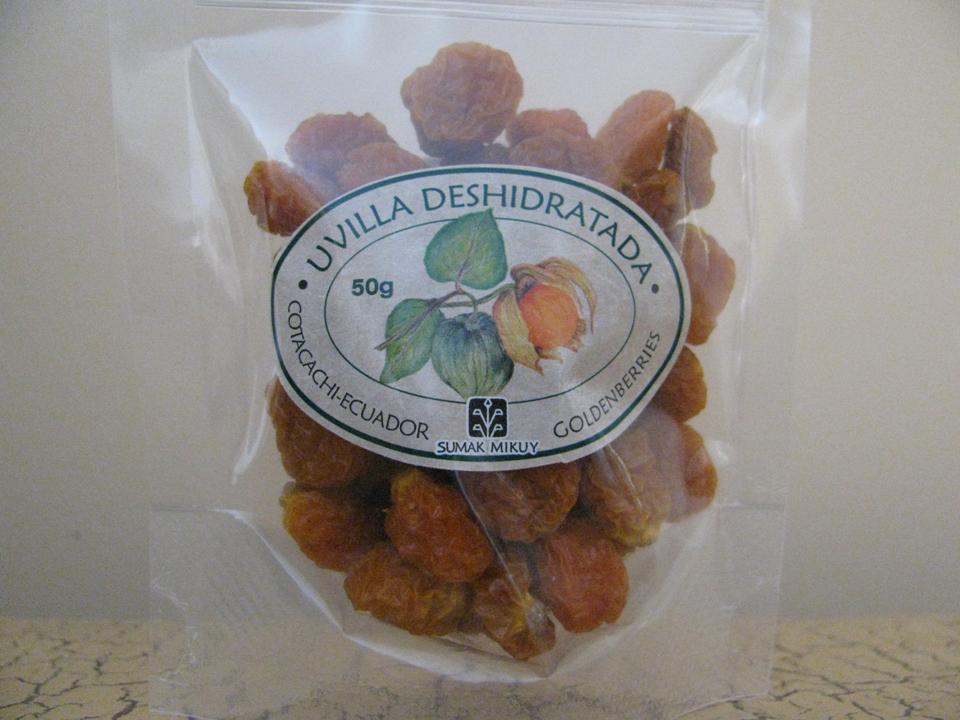
One of the themes of the meeting was the development of lesser-known native agrobiodiversity, especially fruits. Here’s an example of value-adding and marketing of native fruits from the prize-winning agro-ecotourism project in Cotacachi, Ecuador, about which we’ve blogged before.
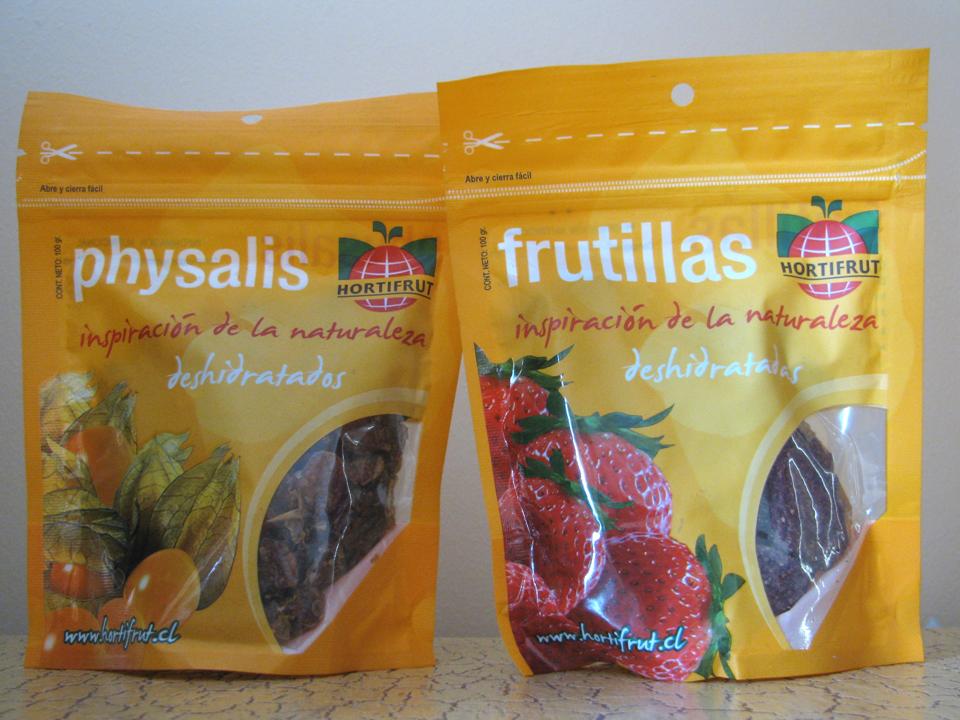
In fact, Physalis seems to be a really up-and-coming fruit in its native continent. It was also on sale in dry form in Chile (along with other, more familiar, fruits).
So, farewell then, Claude Levi-Strauss
Like the Archaeobotanist, I too was astonished by the news that Claude Levi-Strauss had died today because I was not aware that he hadn’t died many years ago. Rather than explain why a blog about agrobiodiversity should mark the passing of a centenarian and seminal anthropologist, let me just urge you to visit Dorian Fuller’s blog and read his appreciation and the sample myth on the origins of agriculture that Levi-Strauss collected.
It shows that almost all of us are ignorant of the origins of our foods and food-processing technologies. Bonus points if you spot the other ways in which the Munduruku explanation of the origins of their agriculture might be not the whole “truth”.
Plastic banana weirdness
I’ve just discovered this bit of inanity, a month or so late. Queen’s University Belfast has a slice of a €1 million study known as the Badana project, to “develop new procedures to incorporate by-products from banana plantations in the Canary Islands into the production of rotationally moulded plastics”. Why? Because:
Once the fruit has been harvested, the rest of the banana plant goes to waste. An estimated 25,000 tonnes of this natural fibre is dumped in ravines around the Canaries every year.
How, I wonder, do they maintain the organic content of the soil in which those bananas grow? No chance of recycling all that waste fibre, is there?
Ireland’s Daily Star newspaper headlined the story “Boffins go bananas”. I’d have preferred “Boffins are bananas.”