Shahid Naeem’s article “Lessons from the Reverse Engineering of Nature” is long, complicated and, in the end, a bit too esoteric for my taste. It also contains a couple of unnecessarily dismissive references to genebanks. But it is worth sticking with for a section which occurs about half way through, and one paragraph in particular.
After describing a number of experiments in which researchers re-created a particular ecosystem, varying only the overall level of biodiversity (this is what he means by reverse engineering nature), Naeem says:
In spite of the limited number of species and tiny numbers of combinations involved, these studies have been stunningly successful at demonstrating that greater diversity means more biomass, more production, greater retention of nutrients, greater resistance to invasive species, greater resistance to the spread of plant pathogens and greater stability.
He goes on to quote a formal meta-analysis, but that succinct summary is definitely worth having to hand the next time someone asks you what species are good for. Naeem is pretty good on the mechanisms too.
Biodiversity loss can affect ecosystem functioning for many reasons, but two keep emerging from the research. First, the more species one removes, the greater the probability that an extraordinarily important species will be lost. But there is a second reason that biodiversity loss reduces ecosystem function: complementarity. The more species you have, the more ways they make use of limited resources such as light, water, nutrients and space.
And what goes for ecosystems goes for agroecosystems, right? Right.
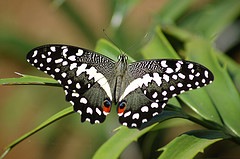 The Kenya Forest Service is one of the forces behind butterfly farming projects around the country. According to the latest KFS annual report (which I found out about from