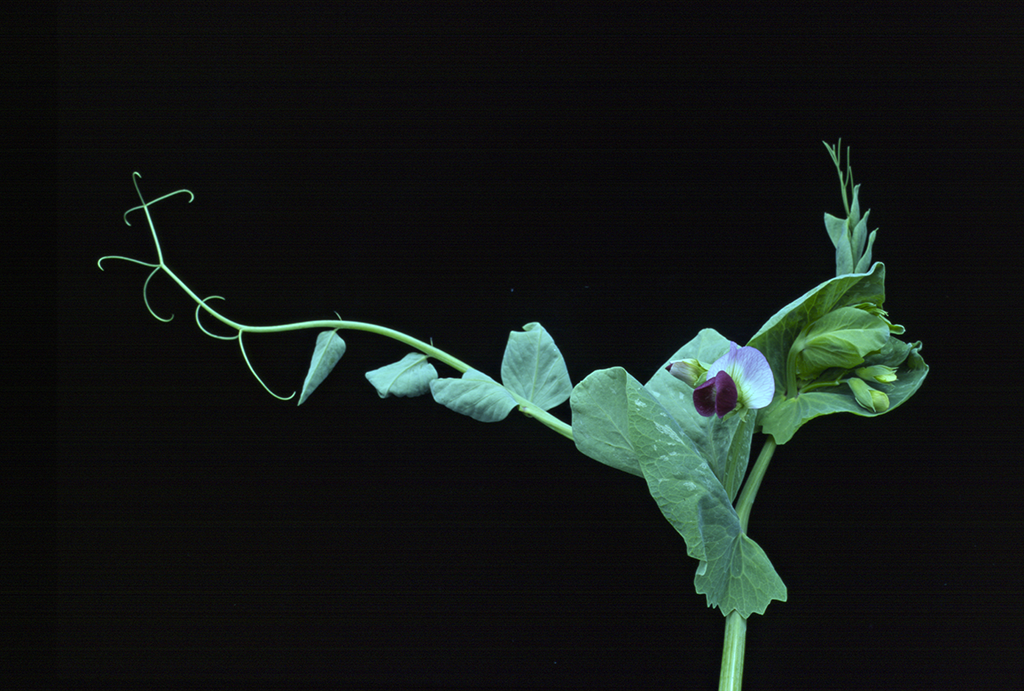
Today is Carlin Sunday. That’s a Carlin Pea up there. There is a lot more one could say about carlins. Indeed, I’ve said some of it myself. For now, let them be a reminder of all the choices we’ve been denied as a result of EU legislation.
Agricultural Biodiversity Weblog
Agrobiodiversity is crops, livestock, foodways, microbes, pollinators, wild relatives …
Today is Carlin Sunday. That’s a Carlin Pea up there. There is a lot more one could say about carlins. Indeed, I’ve said some of it myself. For now, let them be a reminder of all the choices we’ve been denied as a result of EU legislation.
A couple of days ago, when I Nibbled Steve Savage’s “robust defence of plant patents” I said that I did not agree, and that this would never stop me linking to things. I also left a brief comment on the blog post in question. Matthew went far further in challenging Savage’s view in a lengthy, detailed and deliciously snarky comment here. Matthew also cross-posted his comment at Applied Mythology, Savage’s blog, where Steve kinda sorta replied to the points Matthew raised. You can read the exchange there and make your own mind up. But what really, really struck me about Savage’s replies was this:
I don’t know the story of the Enola bean. Perhaps you could summarize that so I and others don’t have to go searching for that information.
I’m sorry? You set yourself up as having some sort of authority in the matter of plant patents, value of, and you “don’t know the story” of one of the most important cases in plant patent lore in recent years? Forgive me if I perhaps don’t take some of your views too seriously.
Ford Denison points out that genes may be easier to trace than ideas:
As DNA sequencing gets cheaper (see “Son of Moore’s Law,” by [Richard] Dawkins [reprinted in the Devil’s Chaplain]), identifying the source of germplasm could indeed be automated. Identifying the source of ideas is trickier. If I cross two plants, each leaves a clear fingerprint in the DNA. But if I combine two or more ideas, even I may not remember where they came from.
Which gets perilously close to Matt Ridley’s argument about how ideas make progress.
Things are slim today, mostly only tangentially related to agricultural biodiversity. But we hate to disappoint…