Evolution strikes back

Ford Denison drew attention to this astonishing photograph of giant ragweed 1 lording it over a crop of harvest-ready maize.

Weed-resistant giant ragweed Ambrosia trifida

Nothing unusual about that — being a giant anything gives you a licence to lord it over lowlier things. The point, of course, is that the corn crop is Round-up ready and so, of course, is the weed. More facts and figures at The International Survey of Herbicide Resistant Weeds.

Ford also pointed to an interesting discussion on the difficulties of defining anything as slippery as farming philosophy by talking about what is and isn’t permitted.

To give the consumer a clear, black and white choice, organic marketing strategy offers a black and white world where all human-made pesticides and fertilizers, and all genetically modified crops are bad, regardless of their value to farmers or to sustainability. Even limited use is prohibited because it would blur the marketing lines.

Amen. Although let’s not forget that good old-fashioned soft soap is as human-made as anything. In the old days, I always advised beginning allotmenteers to blitz an unkempt plot with glyphosate and then get as holy as you like about being organic. Nothing is more soul-destroying than discovering couch grass or ground elder infesting the asparagus and strawberry beds. Of course, today, it might take more than glyphosate.
Nibbles: Guatemala, Burundi, Bees, LANSA, Moringa, Sorghum domestication, Coffee rust, Zambian rhinos

Heirlooms oversimplified?

Heirloom seeds are usually open-pollinated, meaning that wind or insects fertilize the seed. They’ll breed true to their parent plants, so if you harvest the seeds and replant them you will get the same variety.

Is it just me, or does this strike you as a huge over-simplification — not to say error? And there’s more — lots more — where that came from.

Which heath pea would that be?

Over at another place, I’ve been looking into the botanical confusion surrounding that essential of Roman cooking, mentuccia, which is not pennyroyal. And lest people are tempted to say, as they have before, “Get a life,” here’s another splendid example of the perils of common names. And these are in the same language.

Luigi noticed this strange website which is both touting the benefits of and seeking supplies of a plant it calls the heath pea. Why? Well, there are records of Scottish highlanders suppressing their appetites during hard times 2 by eating the heath pea’s tubers. The heath pea site helpfully provides loads of pictures and other information to help people identify the correct species. But here’s the thing. There are at least two plants that occasionally go by the name heath pea: Vicia ervillea and Lathyrus linifolius. Both are also sometimes called bitter vetch. And I certainly wouldn’t have known the difference had it not been for a blog post by one ferrebeekeeper, ‘fessing up to having got the two mightily confused.

Vicia ervillia is one of the founder crops, first domesticated in the Middle East all those years ago, and still cultivated there. But Lathyrus linifolia is the one the Scots should be looking for.

Doubly confusing, it seems that the Vicia causes lathyrism and the Lathyrus doesn’t. As it happens, we have an expert on Lathyrus and Vicia among our regular readers, and I don’t doubt that he’ll be along in just a second to sort things out properly.

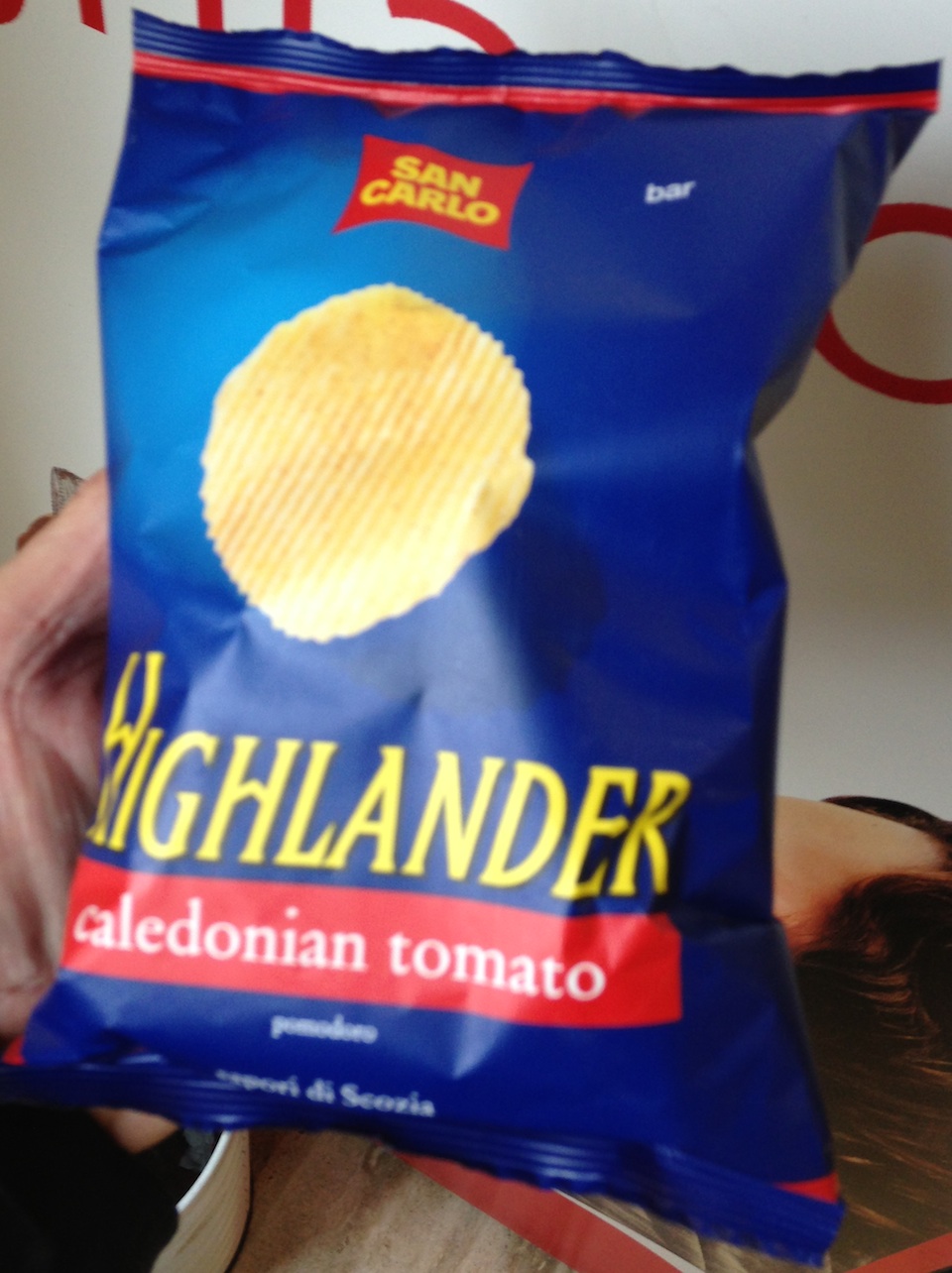
Caledonian Tomato!??!?

Today’s agricultural biodiversity mystery:

Caledonian-Tomato.jpg

OK, so I know the quality’s not up to snuff, but I just grabbed this image in my local bar. And I have questions. What on earth is a caledonian tomato? Helpfully, the Italian below offers pomodoro and sapori di Scozia. But could some Italian, preferably, explain to me why Caledonia and the taste of Scotland might have great marketing appeal.