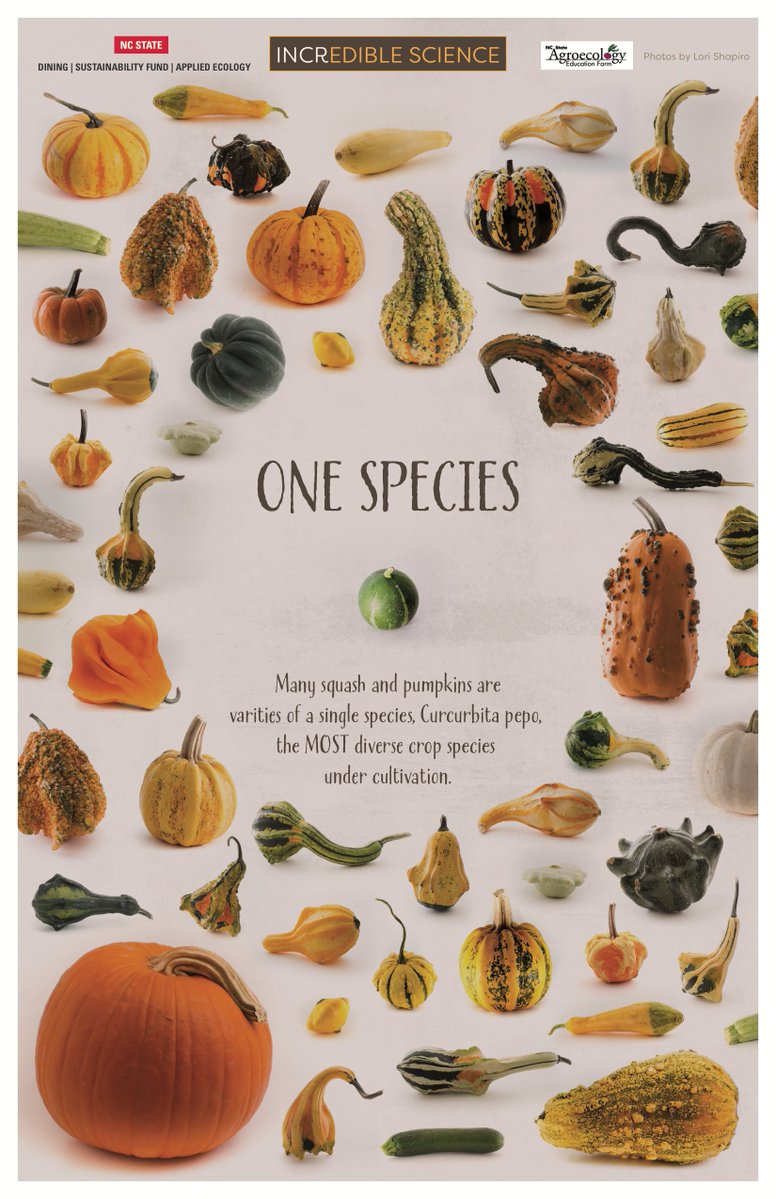
I’m not sure if I agree with the assertion, but this is a really nice poster.
Agricultural Biodiversity Weblog
Agrobiodiversity is crops, livestock, foodways, microbes, pollinators, wild relatives …
I’m not sure if I agree with the assertion, but this is a really nice poster.
It looks like UC Davis is making a move after declaring victory in the Strawberry Wars.
The University of California has entered into a master agreement with Global Plant Genetics, Ltd., based in Norfolk, England, for the sublicensing of new strawberry varieties in selected countries within Europe, the Mediterranean and South America. The agreement governs the commercialization of new varieties from the UC Davis Public Strawberry Breeding Program located at the University of California, Davis.
I wonder how the other side is doing.
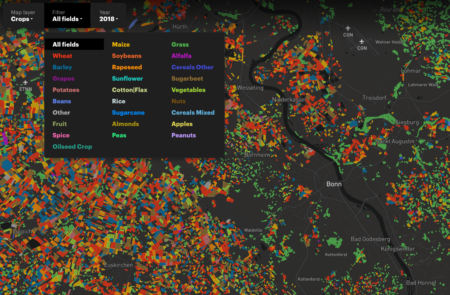
That’s what agriculture looks like around here, according to the Belarus-based ag-tech startup, OneSoil. According to the press release:
Today, OneSoil, a precision farming startup, announced the launch of a new map, the OneSoil Map, which it has developed to allow everyone in the agriculture industry to explore and compare fields and crops in Europe and the United States – 44 countries in total. The key feature of the map is that it allows users to see how these fields have changed over the past three years (2016 – 2018). To accomplish this, OneSoil combined public data from the European Copernicus Programme and Mapbox GL JS, the latter of which helped in visualizing large volumes of ag data. The metrics included on the map are hectarage, the crop, and country crop rating.
Still processing the enormity of it all.
Oh gosh, I forgot all about this.

You can watch the whole thing on livestream. And of course there’s a hashtag.
Good to see the usually neglected yams getting a proper airing.
Bhattacharjee Ranjana @IITA_CGIAR @RTB_CGIAR is exploring yam genetic diversity and sharing key results for more effective breeding programs #ISTRC2018 pic.twitter.com/pNulUPZ2FE
— Claudio Proietti (@cldprtb) October 23, 2018