Request for pulse nutritional data

As part of the International Year of Pulses, we are working on a global database on the composition of pulses, starting with the collection of analytical data. We have found many scientific articles on pulses, which we are compiling. As usual, most data are on proximates, minerals and amino acids. If you have any unpublished data on the composition of pulses or their products, we would be extremely happy to include them into our database, especially if they contain vitamins, but we would be interested in any compositional data, or if they are on processing influence, fermentation, soaking etc.

If you have any analytical compositional data to share please send the sources or the compiled data to Fernanda Grande, (Fernanda[dot]Grande[at]fao[dot]org) who is coordinating this project.

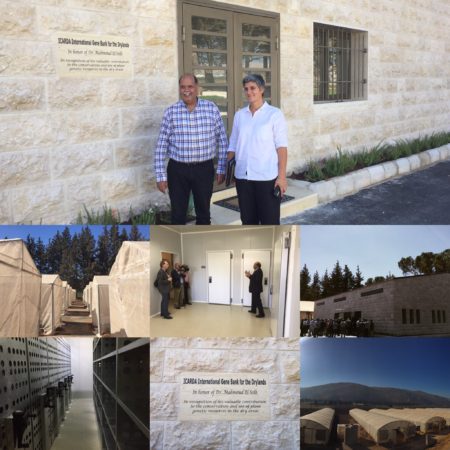
That’s from Ruth Charrondiere, INFOODS coordinator at FAO. There’s more information on the IYP website. Seems like a worthwhile endeavour, please give (data) generously. Oh, and if you want to meet Ruth and her colleagues, and learn more about food composition tables in general, check this out.

LATER: Wondering what to do with all that data? Here’s a thought

Nibbles: Banning bars, New genomes, Pepper revolution, Participatory breeding, Organic mead, Paying for breeds, Punica breeding, Cyperus in Egypt, Adansonia in Uganda, Cyclone trees

Brainfood: Old chestnuts, Seed networks, Seed health, Soybean GWAS, Quinoa ABS, Taro breeding

Featured: Erna Bennett

Darrell Rankin reminisces about Erna Bennett:

She told me about flying unarmed bombers from the U.S. to Britain, how her facility with languages led to her recruitment to the intelligence services, how she was parachuted into Greece, about her capture and liberation from Gestapo custody, how the British took Greece over after the war (the bullet holes are still visible) and about her career in the FAO.

And that’s not the half of it…

Will the Strawberry Wars never end?

When we last checked on the cut-throat world of Californian strawberries in 2014, the Strawberry Commission, a grower’s association, was suing UC Davis for control of the content of the university’s vaunted breeding programme. The whole thing was precipitated, you’ll remember, by the breeders involved wanting to move on, and take their material with them.

Well, that was apparently settled out of court in early 2015, followed by all sorts of commitments on both sides to work together, and a review of the programme by the state auditors. That included the following recommendations:

  • UC-Davis should ensure that the breeding program is adequately funded and consider allocating more of the university patent income directly back to the program.
  • UC-Davis should regularly reassess whether the royalty rates charged to strawberry nurseries and growers — licensed to sell patented strawberry varieties — are appropriate, and adjust the rates as needed to support the program.
  • UC-Davis’ Department of Plant Sciences, home to the strawberry breeding program, should prepare annual budgets specifically for the breeding program.
  • UC-Davis should in the 2015-16 fiscal year implement a program to begin accounting for the strawberry breeding program’s financial activities separate from the financial activities of the program’s breeder.
  • UC-Davis should periodically review the financial records of the companies that hold licenses to grow and sell the program’s patented strawberry varieties, making sure that the university is receiving all of the royalties it is entitled to.

That doesn’t seem onerous, or unreasonable, to me. But it’s a dog-eat-strawberries world out there, and it looks like the agreement didn’t stick.

Yes, the breeders concerned, who have set up a private company in competition to the UC Davis programme, are now suing their former employers because, they allege, they have been denied the opportunity to license the material they originally produced.

What’s going on? University strawberry breeding programmes in other parts of the country don’t get into such hot water. Thing is, we’re not talking peanuts here.

UC Davis’ breeding program has been crucial to the industry and a big money-maker for the university. Between 2005 and 2014, strawberry nurseries around the world paid UC Davis royalties totaling $50 million. In return, nurseries and their customers – the farmers – have been able to deliver huge improvements in taste and durability developed by the Davis scientists. The two scientists themselves have earned several million dollars, their share of the university’s royalty income.

Strawberry varieties developed at UC Davis account for about half of California’s $2.6 billion-a-year crop. Some of the top names in the business, including Dole and California Giant, rely on UC Davis’ technology.

There are some big players involved, and big money. This won’t end any time soon, I suspect. But the university seems upbeat about the future.