Remember Jeremy’s rant a few months ago about how we should measure farm productivity? And my subsequent post discussing a paper on the same subject? Well, Jeremy is like a terrier when it comes to such things, so now you can hear him interview the lead author of that paper, Ruth DeFreis. Head on over to Eat This Podcast for the answer to the perennial question: “If calories were everything, why would we have a billion iron-deficient people?”
Nibbles: CC & crop diversity, Agrobiodiversity newsletter, Foley blog, Heirloom pepper, ITPGRFA PPT, Gobble gobble, Ancient DNA, Sunflower relatives, Leafy greens
- FAO has guidelines for making sure climate adaptation plans include crop diversity.
- A new agricultural biodiversity newsletter for your reading pleasure.
- And a new blog of global sustainability issues from Jonathan Foley.
- The Beaver Dam pepper back from the brink.
- Nice set of slides summarizing the Plant Treaty.
- The traditional Thanksgiving save-heirloom-turkeys story.
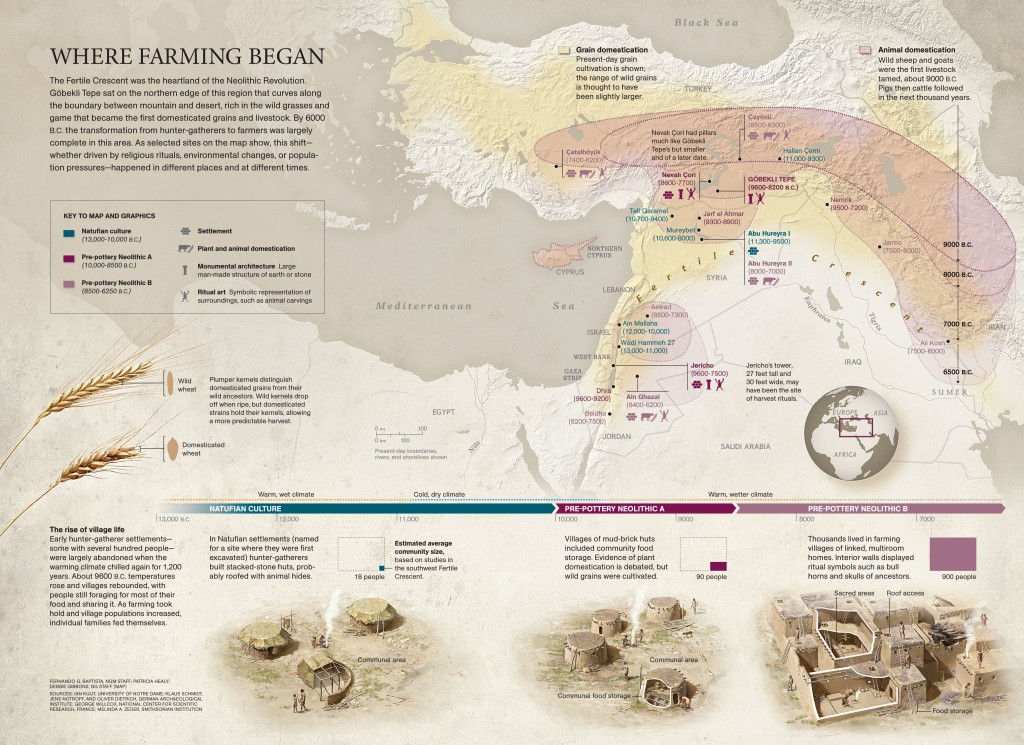
- Farming changed people.
- Crop elders?
- Women speak out about traditional African veggies.
Genebank questions in Parliament
So I spent yesterday afternoon in somewhat unusual surroundings, at least for me. I was in the House of Lords, of all places, helping to make the case for genebanks to a joint meeting of All-Party Parliamentary Group on Agriculture and Food for Development together with All-Party Parliamentary Group on Agroecology.

Sitting under the painting are the chairs, Ewen Cameron, Baron Cameron of Dillington and Jeremy Lefroy MP, who both seemed very receptive to the arguments. 1 It was actually a very knowledgeable and engaged audience all round, with astute questions on how genebanks can help farmers directly, on whether breeders are ever satisfied with the service they’re getting, and on the role of the private sector in ensuring the conservation of crop diversity, among others. Let’s see to what extent the interest, of which there is plenty at the highest level in the UK, translates into financial support for the cause of genebanks.
Brainfood: Heirloom lentil, American oil palm, Trees on farms, Cowpea selection, Apple health benefits, Traditional remedies, Bean landscapes, Maize and CC
- Making Heritage: The Case of Black Beluga Agriculture on the Northern Great Plains. That would be Black Beluga lentils. Which seems a weird subject for feminist ethnography, generative criticism and reflexivity, but I’m game if you are.
- Genetic and phenotypic diversity of natural American oil palm (Elaeis oleifera (H.B.K.) Cortés) accessions. Four geographical clusters, and a core collection.
- Complementarity of native and introduced tree species: exploring timber supply on the east coast of Madagascar. Farmers on the edge of a protected area need a diverse mix of tree species to grow.
- Farmer participation in selection within segregating populations of cowpea in Volta Region, Ghana. From 6 F3 populations with parents from Botswana, Ghana, Nigeria, Senegal, and the USA to 24 lines which farmers liked.
- Apple juices from ancient Italian cultivars: a study on mature endothelial cells model. Old apple cultivars are good for you. Or at least for human umbilical vascular endothelial cells.
- Intellectual property rights, benefit-sharing and development of “improved traditional medicines”: A new approach. Ahem, what were those old apples again?
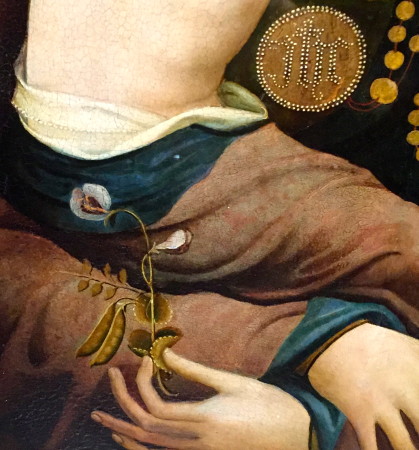
- Landscape genetics, adaptive diversity and population structure in Phaseolus vulgaris. Domestication sites (still only 2) pinpointed in the landscape.
- Changes in Climate, Crops, and Tradition: Cajete Maize and the Rainfed Farming Systems of Oaxaca, Mexico. Life is hard, and getting harder.
Nibbles: Tomato rhythm, Pumpkin poop, Domestic olive, Papaya deforestation, Orphan crops, Perennial wheat, Apple grafting, Australian genebanks, CIMMYT seeds, French genebank, Ethnic markets, Rice breeding impact, Biodiversity & services
- Domestication made the tomato run slower.
- Domestication saved the pumpkin from climate change, which had messed up its cozy relationship with megafaunal poop.
- Domestication may (or may not) have happened twice in the olive. No word on role of poop.
- Papaya trashing the Amazon.
- Orphan crops: their day is coming. But not yet?
- You mean like kernza?
- Grafting 101.
- Tasmanian forage collection joins the club.
- CIMMYT’s seed distribution operation in pix.
- How the French cereals genebank maintains quality.
- Medicinal plants in NYC.
- Yes, donors, rice improvement makes a difference.
- Biodiversity especially important when times are tough. Well, in microbial communities anyway.