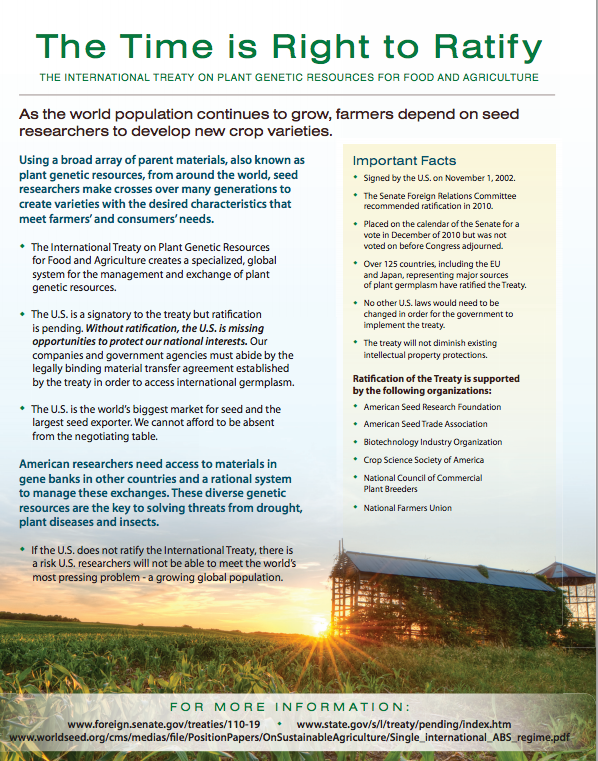
 But is Congress listening?
Searching Genesys: The Video
Genesys is trialling an improved data filtering mechanism. Say you want to find Aegilops tauschii from Armenia with frost tolerance. Go to Browse and play around with the Filter button. If you have trouble, see if this little video helps you figure it out. The answer, by the way, is that there are 14 accessions that satisfy those requirements, all at ICARDA. Here’s where they are:
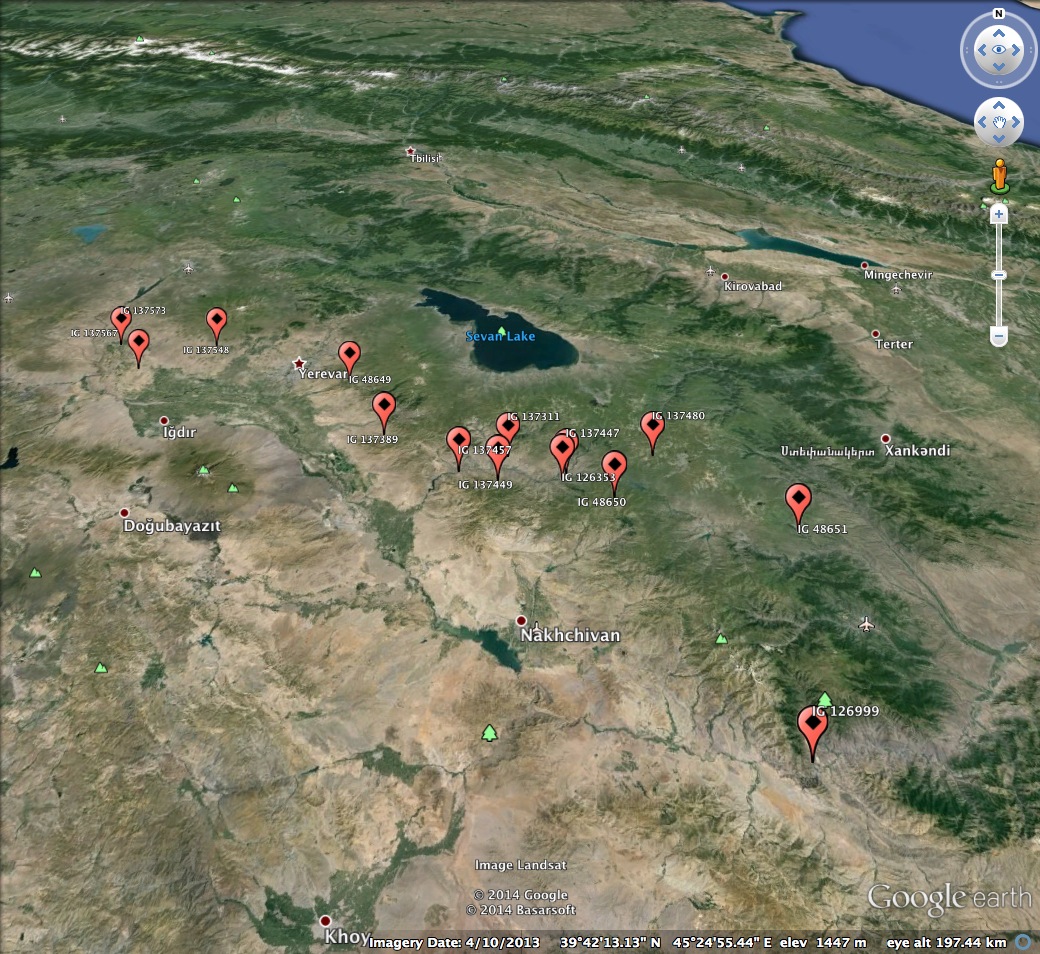
Did you get the same answer? Any suggestions for improvements?
Nibbles: Tree drought tolerance, Whisky history, Barley drought tolerance, Old veggies, Old potatoes, Llamas vs goats, Sustainable ag, Chinese herbaria
- Drought tolerance? It’s the carbs.
- Whisky 101.
- Coincidental mashup of the above. Barley used in whisky production provides clue to drought tolerance.
- Pre-hispanic veggies.
- Pre-hispanic carbs.
- Pre-hispanic livestock.
- Sustainable agriculture deconstructed.
- GBIF scores Chinese specimens.
Purslane possibilities
 Sharp-eyed readers may remember a recent Nibble about somewhat quixotic efforts to promote cultivation and consumption of purslane (Portulaca oleracea) in the US, driven more by necessity than conviction. Well, one particularly sharp-eyed reader pointed out that across the border, in Mexico, there’s a whole network of researchers within the Sistema Nacional de Recursos Fitogenéticos para la Alimentación y la Agricultura devoted to this unusual vegetable, which has some half dozen accessions in the bank to play with. There are 106 accessions in Genesys. Purslane researchers of the world, unite! You have nothing to lose but your mineral deficiencies.
Nibbles: Dryland agroforestry, Parmigiano DOC, Killer tomatoes, Purslane salad, Breadfruit $, Community seedbanks, Kiribati under water, Landscapes
- At the risk of annoying Dave Wood again, here’s something on agroforestry in Africa.
- A podcast on what it takes to make parmigiano reggiano.
- Speaking of Italian agricultural products, it’s not all sweetness and light.
- But can you put purslane on pizza?
- Funding breadfruit.
- Community seed banks take off in India.
- Kiribati will need some too. But in Fiji.
- The Landscapes for People, Food and Nature Initiative is on Slideshare. Not much comfort for Kiribati, I suspect.