- One of the top 10 species described in 2009 is a yam. Yeah, I didn’t believe it either.
- ILRI video on why it’s important to conserve livestock genetic diversity.
- Edible Geography does the sort of deconstruction of Radical Cartography’s agricultural history maps that I was hoping to do but probably wouldn’t have been able to.
Peking presumably planning to plant potatoes
A short and barely comprehensible article in the People’s Daily Online alerts us to the fact that Beijing is to become a “seed-planting capital in the next few years,” on the back of its “currently reserved over 390,000 national-class germplasm resources, ranking second in the world.” Apart from what that means, I also wonder whether the planned planting programme will include potatoes, whose cultivation in China is apparently plagued by “inadequate germplasm resources for cultivar development, the lack of high quality seed potatoes” and various other problems.
How bread-making came to Hawaii
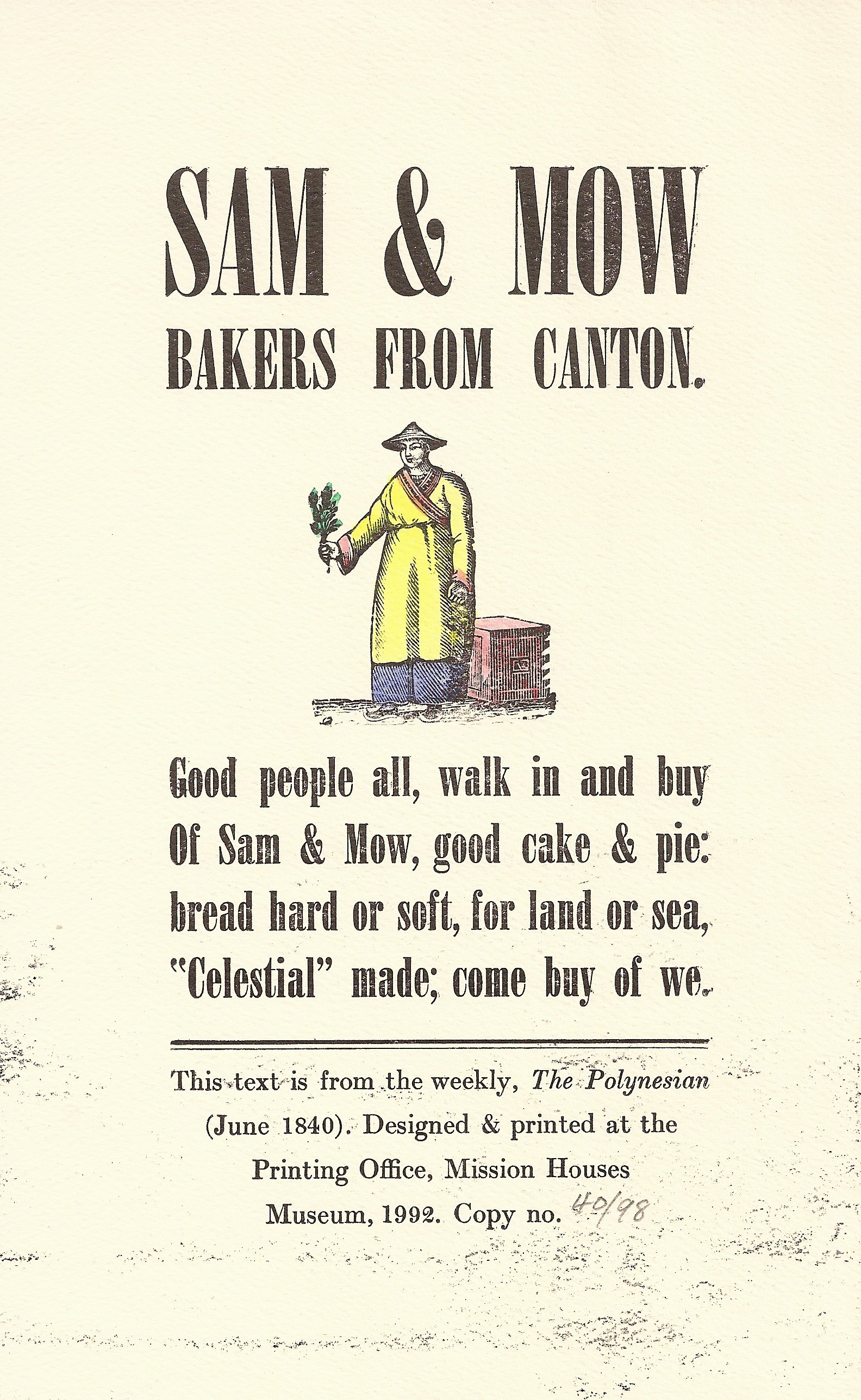
If this 1840 advert intrigues you, or indeed if you think you know what plant the gentleman is holding in his hand, head on over to Rachel Laudan’s blog.
Nibbles: Potato chemistry, Millennium Seed Bank, Sacred sites, Japanese festivals
- Measuring micronutrients and stuff in potatoes.
- Kew wants you to adopt a seed, save a species. Easy as that.
- Maybe religion can do some good in the world after all? Allow me to be skeptical.
- Wait, can I change my mind? The wonderfulness that is Japanese penis festivals. Well, they mainly take place in the spring. Agrobiodiversity mainly grows in the spring. There is a connection, surely.
Nibbles: Medicinal plants, Nabhan, Wildlife
- Hang on, there’s a “revised and updated” Global Strategy for Plant Conservation. When did that happen?
- Gary Nabhan on following in Vavilov’s footsteps. You can hear him in person in Rome this Friday.
- Can you protect both agriculture and wildlife? Apparently so.