- Genetic and phytochemical analysis to evaluate the diversity and relationships of mate (Ilex paraguariensis A. St.-Hil.) elite genetic resources in a germplasm collection. Some have low caffeine, which makes them especially useless.
- Genetic factors in threatened species recovery plans on three continents. Are ignored more often than you’d think.
- Climate Change and Food Systems Research: Current Trends and Future Directions. Current research on the effects of climate change on food systems doesn’t pay enough attention to the fact that food production is indeed a system, varies regionally and depends on political structures.
- World data centre for microorganisms: an information infrastructure to explore and utilize preserved microbial strains worldwide. All you need to know about 708 culture collections from 72 countries and >368,000 strains on one website.
- Characterising root trait variability in chickpea (Cicer arietinum L.) germplasm. Core collection of 270 reveals 3 main groups based on root architecture in hydroponics.
- RAINBIO: a mega-database of tropical African vascular plants distributions. Who will fillet out the CWR species?
- Genetic Variability for Yield and Nutritional Quality in Yam Bean (Pachyrhizus sp.). Can’t access the high dry matter material? No problem.
- Diversity Among a Wide Asian Collection of Bitter Gourd Landraces and their Genetic Relationships with Commercial Hybrid Cultivars. 114 accessions fall into 5 geographic groups based on SSRs. Commercial cultivars are all very similar.
- Yeast biodiversity from Vitis vinifera L., subsp. sylvestris (Gmelin) Hegi to face up the oenological consequences of climate change. Yeasts from wild grapes will save our wine. Look, I’ll take anything.
- The Potato Cryobank at the International Potato Center (CIP): A Model for Long Term Conservation of Clonal Plant Genetic Resources Collections of the Future. 70% of over 1000 accessions are considered successfully cryoconserved.
- Probabilistic viability calculations for cryopreserving vegetatively propagated collections in genebanks. Were these used in the above?
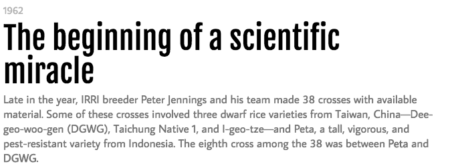
A miracle rice anniversary timeline
IRRI is celebrating the 50th anniversary of IR8, one of the more important crop varieties ever produced by plant breeders, with a neat timeline of the history of its development and impact.

I was going to include a pedigree of the thing, but, alas, the International Rice Information System seems to be down at the time of writing. Oh well.
LATER: National Geographic to the rescue with that IR8 pedigree.
What’s threatening crops around the world?
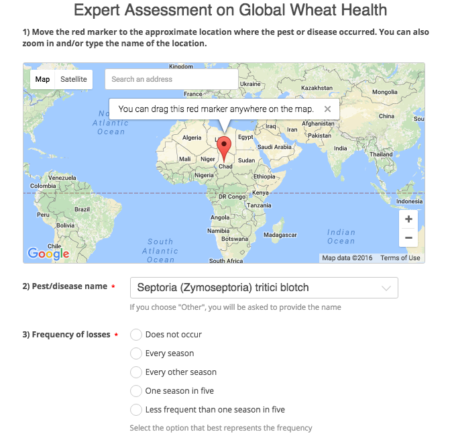
If you’re into the pests and diseases of wheat, soybean, potato, maize or rice you may want to consider taking the Global Crop Health Survey.
Quantification of the importance of crop diseases and pests is a necessary first step towards better understanding of crop health and its management. However, the information pertaining to the losses caused by plant diseases and pests in agriculture is fragmented, heterogeneous, and is very incomplete. Undertaking this survey is a project that has been considered for a long time. It has first been discussed by the Crop Loss Subject Matter Committee of the International Society of Plant Pathology during its first meeting in August 2013 in Beijing. Documenting the importance of crop diseases and pests is also one goal of several international research networks, such as AgMiP and MacSur.
Very simplified information is being sought, so it shouldn’t take long. You have until 31 January. The results should be useful in setting breeding priorities, among other things.
Nibbles: Sweet potato, Horse genetics, Sandy Knapp video, Rumphius, Rice breeding, Banana breeding, Medieval vegetables, Tomatoes & witchcraft, Native American corn
- On a day that we hope will be historic for the right reason…
- The history of the sweet potato.
- The history of the horse.
- The history of the study of plant diversity. And more.
- The history of IR8.
- The banana is not yet history.
- The history of vegetables. And more.
- The continuing history of Iroquois corn.
CNB Variety Showcase showcased
You need to get to the next CBN Variety Showcase. It’s a mix of public plant breeders, independent breeders, and farmers doing both complex breeding and simple improvements on older heirlooms – each of whom is paired with a chef. Those who attend get to learn about the breeding process and goals, and then sample dishes crafted from the crops. For example, a pastry chef (Nora Antene from Tusk) made a “Corn Silk Pie” with sweet corn bred by Bill Tracy (in a participatory plant breeding project with a number of farmers). This wasn’t an actual pie made from corn silks (but hey, has anyone tried it?) but rather a pie in the texture and tradition of chocolate silk. It may have been the best thing I’ve eaten in life. Although the hulless pepito ice cream was pretty damn good.
That’s from a comment on a recent Nibble on the Culinary Breeding Network that we thought deserved a higher profile. There’s a video of the event too.
Oh, and sorry about the slow blogging lately. Lots of travelling around still to come too, alas.