- More on #IBC18 from AoB. Web 2.0 as it should be.
- EurActive.com with massive dossier on sustainable intensification in Europe. Not much diversification there, though, except for intercropping.
- Boffins look for wild macadamias with thinner shells for wimpy consumers. Well, not just that.
- The ancient Maya mixed up their turtles.
- Grass skirts latest GMO fear.
Nibbles: AnGR, Fruit trees, IBC18, Tree pollination, Solomon Islands and climate change, Octopus diversity, Seed saving
- Livestock diversity in the hands of FAO. No comment.
- Let them eat fruit!
- AoB breaks down International Botanical Congress 18 for us.
- Species-poor tree plantations could be good for conservation of rare tree found in remnant forest patches in Chile because they encourage pollinators to move on. Agriculture, on other hand, is bad because it lures generalist pollinators into staying. Nature, don’t you just love it?
- Climate-proofing the Solomon Islands to include “the isolation of crop species tolerant of high salinity, high rainfall, and drought.” Strewth.
- Marine diversity. (Only kidding.)
- Good advice on home seed saving from Suzanne Ashworth. She wrote the (a?) book.
Nibbles: CGRFA13, Kuroiler chicken, CGIAR, God, Mozambique
- Three days down, one to go in Rome.
- Indian hybrid chickens set to take over Uganda.
- Latest from CGIAR restructuring: the 6 research programmes agreed thus far. So how you like our latest toy?
- 60-tonne God of Rain unearthed; drought continues.
- Mozambique Raises Production of Staple Foods by 22% a Year. Amazing. How? And for how long?
Happy Birthday Brother Gregor
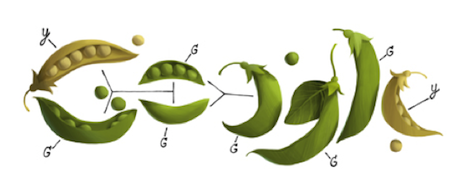
Good for Google. h/t Samantha. And if you want to see what you can do when you understand what Mendel did, visit Rebsie.
How important is plant breeding?
IFPRI is currently conducting a project entitled “How to achieve food security in a world of growing scarcity: role of technology development strategies.” The goal is to assess the impact of a range of technologies on crop production and yields; production costs; soil and water quality; on-farm incomes; and the use of water, energy, and other resources.
The technologies include breeding, so go and vote!