- Today’s new genome is pearl millet. The most climate-smart of crops? Now, to process it more easily.
- Finger millet is not too bad either.
- Agriculture was good for human diversity, at least in Papua New Guinea. Elsewhere, maybe not so much.
- Julio Hancco Mamani grows 400 potato varieties up in the Andes (but how did it all start?). And Rahibai Soma Popere “15 varieties of rice, nine varieties of pigeon pea and sixty varieties of vegetables, besides many oil seeds” in Maharashtra.
- “West Bengal government encourages cultivation of extinct rice varieties.” Wait, what?
- Presumably not extinct like silphium.
- India’s first nutrition atlas will maybe tells us where more Rahibai Soma Poperes are most needed.
- Future Food includes seeds.
- Cleaning up bananas.
- Would love to have been on the “Brazilian Cassava Learning Journey.” Tanzania next?
- The bitter side of sugar.
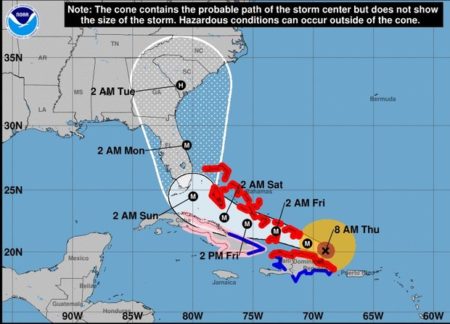
- Fairchild Tropical Botanic Garden damaged by Irma.
- Research on vegetables really pays off, vegetable researchers say.
- Brazilian bean catalog launched.
- Certifying coffee seeds.
- Pot next?
- Closely followed by Navajo tea.
Brainfood: Eggplant germplasm, CC threat, Impact metrics, Drought & seeds, Burundi cattle, Wild chickpea, Banana collecting, Bambara groundnut diversity, CIP cryo, USA PGR policy, Australian forages, ILRI seed testing, Nepal intensification, Maize and CC
- World Vegetable Center Eggplant Collection: Origin, Composition, Seed Dissemination and Utilization in Breeding. 3,200 accessions from 90 countries, covering all 3 cultivated species, but not enough wild relatives.
- An integrated framework to identify wildlife populations under threat from climate change. Need to know about landscape connectivity, and genomic data would be useful too.
- Research impact: a narrative review. There are lots of methods, and the indirect ones are sometimes the best.
- Orthodox seeds and resurrection plants: two of a kind? Resurrection plants have reactivated the ancient seed drought tolerance program in vegetative tissues.
- Effect of genetic European taurine ancestry on milk yield of Ankole-Holstein crossbred dairy cattle in mixed smallholders system of Burundi highlands. European ancestry good for milk yield.
- First insights into the biochemical and molecular response to cold stress in Cicer microphyllum, a crop wild relative of chickpea (Cicer arietinum). High altitude Himalayan species found to have frost tolerance.
- Banana Collecting Mission in the Autonomous Region Of Bougainville (AROB), Papua New Guinea. 13 days, 61 accessions. Hard work.
- Morphological Characterisation of Selected African Accessions of Bambara Groundnut (Vigna subterranea (L.) Verdc.). 3 out of 300 out of 1973 have high yield potential. Hard work.
- A large-scale viability assessment of the potato cryobank at the International Potato Center (CIP). They’re getting better at it. Hard work.
- Deep Seeded Problems: A Look At Seed Bank Regulations. The USA should engage internationally on crop diversity conservation. Hard work.
- Australian Pastures Genebank – Temperate Species Regeneration. Hard work.
- Medium-term seed storage of 50 genera of forage legumes and evidence-based genebank monitoring intervals. Hard seeds are hard work.
- Agricultural Land Use Intensity and Determinants in Different Agroecological Regions in Central Nepal Himalaya. Location, location, location.
- Maize Diversity and Climate Change. To investigate the local adaptation of landraces, which you need for adaptation to climate change, you need the synergy that comes from genomics and phenomics in coordinated fashion.
Caribbean genebanks in the firing line
Nibbles: Community seed bank, Weird chocolate, Rice breeding, “Super” plants, Quinoa, Bush tucker
- Mr Chetri’s genebank.
- Ruby chocolate. You heard me.
- The next Green Revolution won’t be like the first one. Phew.
- Ideas that will change the world include “super plants” like enset. Right.
- But not, surprisingly, quinoa.
- Or bush tucker.
GPGR4 busy distracting genebanks in Giessen
The 4th International Symposium on Genomics of Plant Genetic Resources is off and running in Giessen, Germany, with a packed programme of cool examples of the application of the latest gizmos and fancy maths to the conservation and use of crop diversity. And yes, there’s a hashtag. As ever, if you’re there, and would like to blog the proceedings for us, the door is open, drop us a line.