- High-throughput genotyping for species identification and diversity assessment in germplasm collections.. 9% of random Brassicaceae samples from Australian Grains Genebank misidentified to species, with some interspecific hybrids.
- Methodology for enabling high-throughput simultaneous saccharification and fermentation screening of yeast using solid biomass as a substrate. Everything is now, now, now these days.
- Utilization of wild relatives of wheat, barley, maize and oat in developing abiotic and biotic stress tolerant new varieties. Useful summary table at the end.
- Patterns of SNP distribution provide a molecular basis for high genetic diversity and genetic differentiation in Vitis species. Different grape species are really different.
- Disentangling the relative effects of bushmeat availability on human nutrition in central Africa. Both rational use of some wild mammals for nutrition, and conservation of more vulnerable species, are possible, though in different places.
- Blast Resistant Genes Distribution and Resistance Reaction to Blast in Korean Landraces of Rice (Oryza sativa L.). Conventional evaluation of landraces is useless; you really need to look at the genes.
- Characterization of a collection of local varieties of tomato (Solanum lycopersicum L.) using conventional descriptors and the high-throughput phenomics tool Tomato Analyzer. Brave new world.
- Phylogenetic analysis of Saccharum s.l. (Poaceae; Andropogoneae), with emphasis on the circumscription of the South American species. Allopolyploid, with 2 species belonging in a different genus.
- Utilization of farm animal genetic resources in a changing agro-ecological environment in the Nordic countries. Need to phenotype and genotype everything. Now where have I heard that before?
- Multi-objective optimization for plant germplasm collection conservation of genetic resources based on molecular variability. Lots of data plus fancy maths can tell you which individuals you should add to an ex situ collection to maximize conserved diversity.
- Actual and Potential Applications of Moringa stenopetala, Underutilized Indigenous Vegetable of Southern Ethiopia: A Review. Potential as a source of drugs, but you need to learn to grow it.
- Olive in the story and art in Albania. There are old olive trees around castles.
Nibbles: Genebank data, Edible smut, Edible bugs, Healthful bluberries, Mining Indian food, Funny spuds pix, Old grape pits, Old einkorn stash, Phylogeny & conservation double, Rhizobacteria, Rapid phenotyping, Plata periurban ag, BRICs in Africa, Chinese terraces, SMTA
- GRIN-Global comes to Portugal. That makes two.
- Eating fungi.
- Eating bugs.
- Eating Indian.
- Eating blueberries is good for you.
- Would you eat these funny-looking potatoes?
- Veg ink.
- Old grape seed in Israel.
- Old einkorn seed in England.
- Atlas of Living Australia to include phylogenetic data. Kew thinking along same lines too.
- Grasses can absorb organic N. With some help.
- “Today’s international scientific community is dominated by big mercenaries who change their teams’ research subjects to get on the cover of Nature.” But INRA isn’t like that, apparently, at least with regards to high-throughput phenotyping.
- Argentinian periurban farmers grow varieties they like to eat. Well, it’s good to have the data.
- Rounding up China and Brazil in African agriculture.
- Meanwhile, back home, famous rice terraces are being used to grow maize.
- SMTA 101.
Nibbles: Citrus greening, Deforestation, OFSP, Sugarbeet breeding, Poverty & conservation, Indian tribals, Eat This Podcast, Musalit, Solomon Island bananas, Potato somaclonal variation, Genebank data management, WorldVeg DG search
- Getting to grips with citrus greening.
- A review of the effect of oil palm, soybean, and jatropha production on biodiversity and ecosystem functions in tropical forests is in the offing. Here’s what will be done.
- Sweet potatoes are good for the health of children. If you can get them to eat the things.
- The history of monogerm sugar beet.
- There’s no best way to link poverty alleviation and biodiversity conservation. The Global Meeting of the Indigenous Peoples’ Forum came up with a few ways, I’m sure.
- Vegetarian tribe in India is certainly doing that conservation, but the poverty alleviation?
- Jeremy takes a stroll around the allotment.
- Musalit is back in the game. And speaking of which, who would not have wanted to be at the Makira Banana Festival?
- Squeezing the most out of Russet Burbank. Oh, look at some new landraces, already!
- Portugal becomes second genebank to adopt GRIN-Global.
- AVRDC is looking for its next leader. Must know his/her onions.
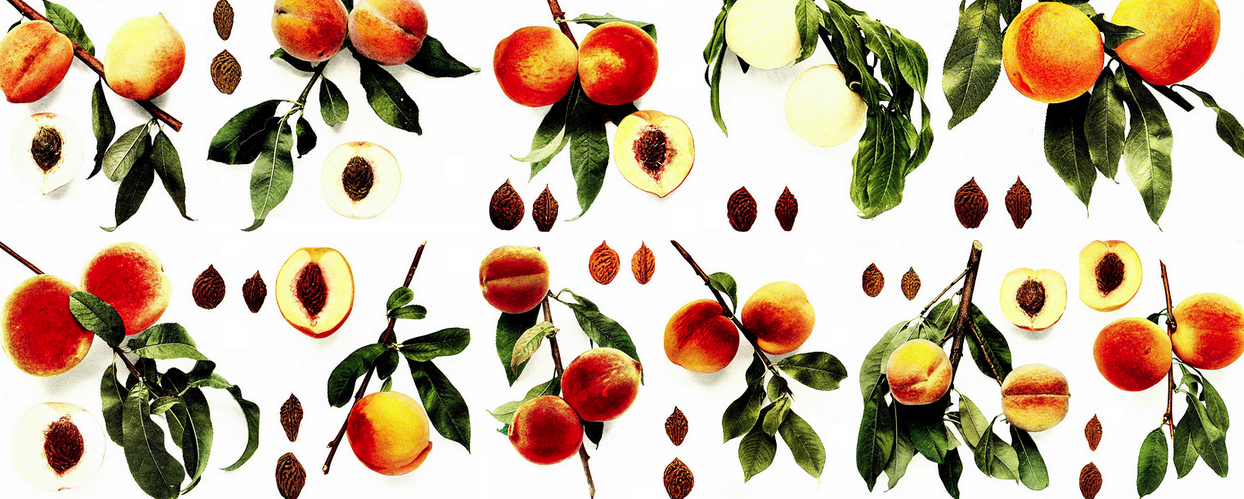
Peachy photos online
Not only is U.P. Hedrick’s magisterial The Peaches of New York on Open Library. The images are also on Flickr, under Internet Archive Book Images. Mouthwatering.
Brainfood: Grape genetics & conservation, Ecosystem restoration & services, Collecting cycads, Pigeonpea genomics, Wild pigeonpea gaps, Breadfruit collection diversity, Banana collection diversity, Conserving mammals, Bhutanese cereal diversity, Potato nutrition
- The preservation of genetic resources of the vine requires cohabitation between institutional clonal selection, mass selection and private clonal selection. Intra-varietal diversity, that is. They apparently do it best in Portugal.
- Association of dwarfism and floral induction with a grape ‘green revolution’ mutation. Cool things I learned from this paper: 1. Pinot Meunier is a periclinal mutant. 2. Tendrils are inflorescences. 3. Dwarf grapes are dwarf for the same reason dwarf wheat is dwarf. No word on what the Portuguese are doing about it. And the fact that the paper is over 10 years old is irrelevant to its coolness.
- Quantifying the impacts of ecological restoration on biodiversity and ecosystem services in agroecosystems: A global meta-analysis. Supporting ecosystem services go up 40% on average, regulating ES by 120%. Well worth having.
- Can a Botanic Garden Cycad Collection Capture the Genetic Diversity in a Wild Population? Yes, but need to “(1) use the species biology to inform the collecting strategy; (2) manage each population separately; (3) collect and maintain multiple accessions; and (4) collect over multiple years.” Maybe they should talk to the Xishuangbanna Tropical Botanical Garden guys.
- Genebanking Seeds from Natural Populations. It’s more difficult than with crops. And then you’ve got the above.
- Genomics-assisted breeding for boosting crop improvement in pigeonpea (Cajanus cajan). “…pigeonpea has become a genomic resources-rich crop and efforts have already been initiated to integrate these resources in pigeonpea breeding.” And now we wait.
- Crop wild relatives of pigeonpea [Cajanus cajan (L.) Millsp.]: Distributions, ex situ conservation status, and potential genetic resources for abiotic stress tolerance. 15 of them need collecting. And, presumably, genotyping (see above).
- Diversity in the breadfruit complex (Artocarpus, Moraceae): genetic characterization of critical germplasm. 349 individuals from 255 accessions are 197 unique genotypes from 129 lineages.
- Musa spp. Germplasm Management: Microsatellite Fingerprinting of USDA–ARS National Plant Germplasm System Collection. Used to identify mislabelled in vitro accessions. Data in GRIN-Global.
- Education and access to fish but not economic development predict chimpanzee and mammal occurrence in West Africa. Having fish to eat means you leave chimpanzees alone.
- Community Perspectives on the On-Farm Diversity of Six Major Cereals and Climate Change in Bhutan. About 30% of varieties lost over last 20 years. But what does it mean that “93% of the respondents manage and use agro-biodiversity for household food security and livelihood”? What exactly does that other 7% of farmers do?
- Amino acid composition and nutritional value of four cultivated South American potato species. S. goniocalyx is best for you. But does it taste any good?