Climate Change and Indigenous Knowledge Systems: conference

AYSICCIK is, believe it or not, the snappy acronym for the African Young Scientists Initiative on Climate Change and Indigenous Knowledge. And they’re drawing attention to an International Student Conference on Climate Change and Indigenous Knowledge Systems, to be held in Johannesburg, South Africa, on 15-17 August 2011. It is probably too late to apply for a scholarship, but you have until next Tuesday (31 May) to submit an abstract on one of the six conference themes. Food security is in there, as are indigenous knowledge, biodiversity management and other topics dear to us.

So, what are you waiting for? And if you do go, we would welcome reports.

Nibbles: Spatial data, poverty, Livestock diseases, Romania, Cultural diversity, Iraqi marshes, Citizen science , Biohappiness, Beer!

Safeguarding tangible agricultural heritage

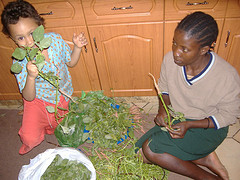
There’s a great set of pictures of Kenyan traditional crops and food preparation on UNESCO’s Facebook page, in their Documenting Living Heritage series. This is part of an exhibition currently on at UNESCO’s HQ in Paris to raise awareness of the 2003 Convention for the Safeguarding of Intangible Cultural Heritage. I doubt there’s a photograph of the Gene Bank of Kenya, but that surely contributes to that goal too.

Maize hits the heights

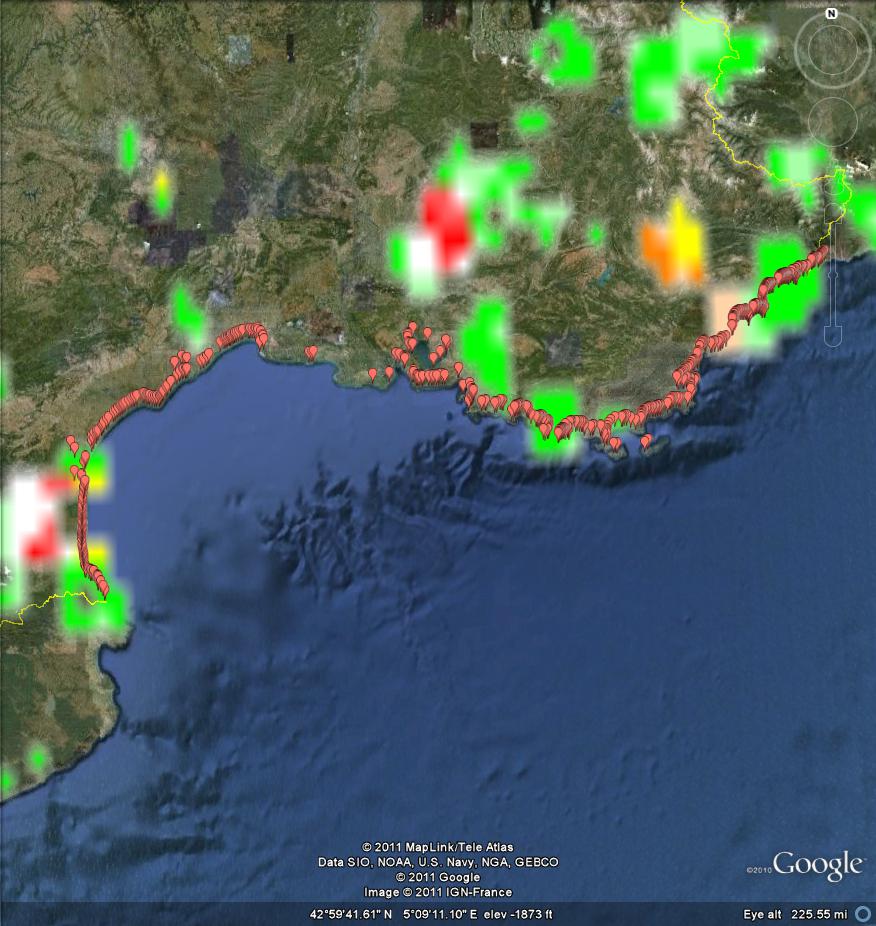
The llama dung story got me thinking about high-altitude maize. Maize is a tropical plant and it would have taken quite a bit of effort to get it adapted to high elevations. This is what Genesys knows about maize around the world:

And this is (in red) where maize collected above 3,500 masl has been collected:

Those Andean agriculturalists obviously did a pretty good job of breeding maize to fit the new environment, and in fact still are.

LATER: As Jacob helpfully points out in a comment on this post, a 2002 paper confirmed, using microsatellites, that Andean maize is genetically quite distinct.