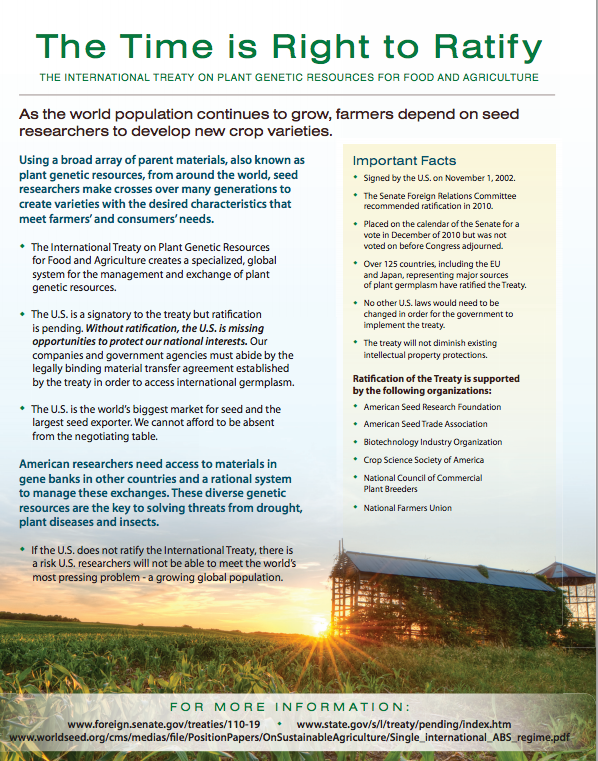
 But is Congress listening?
Nibbles: Tree drought tolerance, Whisky history, Barley drought tolerance, Old veggies, Old potatoes, Llamas vs goats, Sustainable ag, Chinese herbaria
- Drought tolerance? It’s the carbs.
- Whisky 101.
- Coincidental mashup of the above. Barley used in whisky production provides clue to drought tolerance.
- Pre-hispanic veggies.
- Pre-hispanic carbs.
- Pre-hispanic livestock.
- Sustainable agriculture deconstructed.
- GBIF scores Chinese specimens.
Nibbles: Dryland agroforestry, Parmigiano DOC, Killer tomatoes, Purslane salad, Breadfruit $, Community seedbanks, Kiribati under water, Landscapes
- At the risk of annoying Dave Wood again, here’s something on agroforestry in Africa.
- A podcast on what it takes to make parmigiano reggiano.
- Speaking of Italian agricultural products, it’s not all sweetness and light.
- But can you put purslane on pizza?
- Funding breadfruit.
- Community seed banks take off in India.
- Kiribati will need some too. But in Fiji.
- The Landscapes for People, Food and Nature Initiative is on Slideshare. Not much comfort for Kiribati, I suspect.
Brainfood: Landrace trifecta, Cauliflower breeding, Carp hybrids, C4 evolution, Organic food, Symbionts squared, Ozark agrobiodiversity, Using genebanks, Food security vulnerability
- Geopolitical Maize: Peasant Seeds, Everyday Practices, and Food Security in Mexico. Growing landraces in Mexico as a feminist act.
- Resource-Use Patterns in Swidden Farming Communities: Implications for the Resilience of Cassava Diversity. In this bit of Brazil, all farmers have some cassava varieties, other varieties are more private, which means that diversity is reasonably well maintained if farms are lost at random. Ah, but what about if women farmers are lost?
- Indigenous Knowledge on Landraces and Fonio-Based Food in Benin. 35 landraces, some of them even agronomically good. No word on whether those are the common or the private ones.
- A Review on Genetic Improvement of Cauliflower. There’s a tension between hybrids and breeding for organic conditions even in cauliflower.
- Growth Performance of Indian Major Carps and Their Hybrids in Polyculture in Bangladesh. Looks like hybrids are bad in carp, though.
- Deep Evolutionary Comparison of Gene Expression Identifies Parallel Recruitment of Trans-Factors in Two Independent Origins of C4 Photosynthesis. Plants which diverged 140 million years ago have in the meantime evolved the same trans-factors (“protein that binds to specific DNA sequences, thereby controlling the flow [or transcription] of genetic information from DNA to messenger RNA”) to come up with C4 photosynthesis. You know, this C4 rice thing just might be doable.
- Organic Diets Significantly Lower Children’s Dietary Exposure to Organophosphorus Pesticides. When “conventional” food was replaced by organically grown stuff, children had lower levels of nasties in the urine. No word on what it took to convince the kids to eat their veggies.
- Building the crops of tomorrow: advantages of symbiont-based approaches to improving abiotic stress tolerance. Why breed, when you can inoculate.
- A single evolutionary innovation drives the deep evolution of symbiotic N2-fixation in angiosperms. It all started long ago with a cryptic mutation, which was lost and gained multiple times, but some clades are unlikely to lose it when they have gained it.
- Seeds of Persistence: Agrobiodiversity in the American Mountain South. “…southern/central Appalachia is the most diverse foodshed at the varietal level in the United States, Canada, and northern Mexico studied to date.”
- Separating the wheat from the chaff – a strategy to utilize plant genetic resources from ex situ genebanks. Using fancy math to mine legacy phenotypic data can yield a couple extra alleles.
- Sustainability and Food & Nutrition Security: A Vulnerability Assessment Framework for the Mediterranean Region. Take each vulnerability (say to climate change, or price volatility) and break it down into exposure, sensitivity and adaptive capacity.
Nibbles: Global Nutrition Report, Neanderthal veggies, Azolla genome, Evergreen Garrity, Breadfruit tease, Apios & other perennials, Guelph U genebank, Camel trouble, ICRISAT transitions, American beer
- Crowdsourcing the Global Nutrition Report.
- Which will not cover the Neanderthals.
- Azolla genome project meets crowdfunding target, gets love from BGI.
- Would that contribute to Evergreen Agriculture?
- I bet breadfruit would, but New Scientist has put an article about that interesting tree behind a paywall. But, see this teaser…
- Some people think the potato bean will.
- Another genebank in Canada. Not crops, though, I suspect.
- Saving the camel in Rajasthan.
- ICRISAT gets a new DG.
- Podcast on the history of American beer. Perfect note on which to wish you all a good rest of the weekend.