How did collards get to remote oases on the edge of the Sahara? That’s what ethnobotanists Bronwen Powell and Abderrahim Ouarghidi have been looking into for like 20 years now, and it’s a fascinating story. Which you can read about in detail in their paper in Economic Botany. They also present an abbreviated form of the argument in The Conversation. Which got Nibbled some months back, though without giving anything away. But actually what I recommend you do is listen to Jeremy interview the intrepid duo in the latest episode of Eat This Podcast.
Out of sight, full of bite
Drawing on crop data from the Food and Agriculture Organisation’s Compendium of Forgotten Foods in Africa, CAFRI calculated Nutrient Density (ND) scores for a broad range of African foods, a measure of how much essential nutrition (vitamins, minerals, protein) each food delivers per calorie consumed.
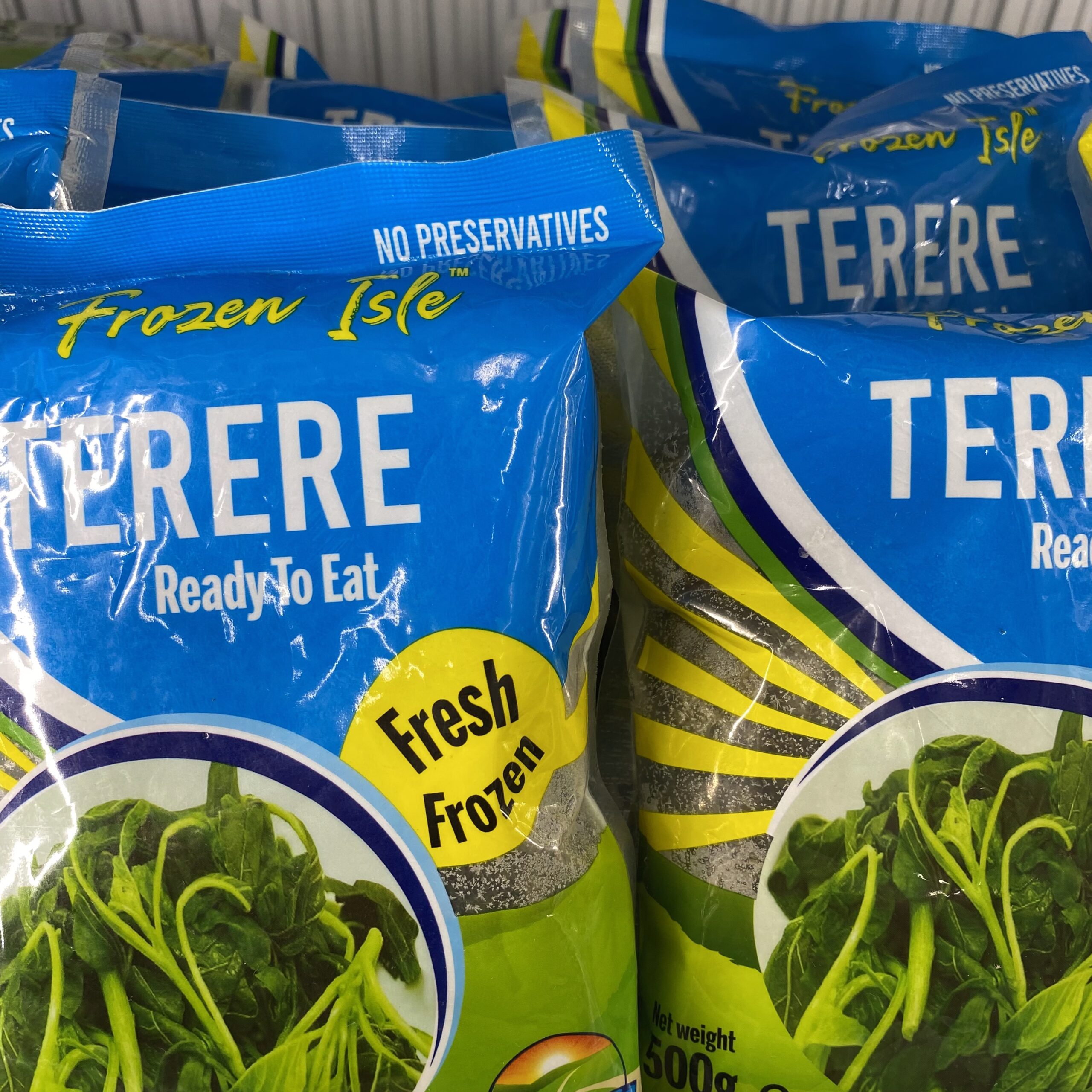
Bottom line: eat your greens!
Nibbles: Peruvian agrotourism, RSA heirloom apple, Wild tea in China, Native American seeds, Indian chiles, Genebanks, Kenyan tree planting
- Agrobiodiversity inspires tourism in the Andes of Peru.
- South African fruit exporters does its (small) bit for heirloom apple conservation.
- Wild tea doing just fine in the Shunhuangshan National Nature Reserve in Hunan Province, China. Even when harvested by local communities. Looks great for tourism too.
- Native communities in Nebraska getting some support for saving and exchanging seeds.
- Women are in charge of chiles in Tamil Nadu.
- Popular Science does genebanks. At least one genebank has tourism potential, I’d say.
- Want to support forest landscape restoration through native tree planting in Kenya? Go to MyFarmTrees, and help keep Kenya a tourism hotspot.
Brainfood: Diversification edition
- Agrobiodiversity for Climate Resilience: A Systematic Review of Yield Stability, Pest Regulation, and Nutrition Outcomes. “…agrobiodiversity emerges as a no-regrets adaptation strategy that strengthens resilience, sustains productivity, and supports nutrition, while creating co-benefits for ecosystems and livelihoods.”
- Global impacts of increased undervalued crop production on environmental, economic, and nutrient outcomes. It’s even good for emissions. No regrets indeed. But who’s going to do drive all this diversification?
- Impact of a homegardening intervention on crop diversity: results from a cluster-randomized trial in Bangladesh. Homegardeners maybe?
- National genebanks as agents of change for supporting farmers’ crop diversification. Oh, I know who else can help.
- Expanding the genetic diversity of chickpeas from the Ukrainian genebank to new agricultural systems. Even in a war zone.
- The genetic landscape of Pacific taro: diversity, population structure, and strategic germplasm management. Even in paradise.
- Influences of territorial conflicts on local crop diversity in a campesino community in the Colombian Caribbean. Because war is bad for agrobiodiversity. No word on the effect of paradise.
- Reviewing assumptions around the giant maize Jala landrace locally known as maíz de húmedo: the importance of local knowledge for the in situ conservation of agrobiodiversity. On top of everything, agrobiodiversity can even be iconic.
JSTOR in a pickle with Jeremy
From Jeremy’s latest newsletter. To which of course you should subscribe. You’ll see he mentions Charles Darwin right up front, which allows me to link to a new course based on teaching materials created by Darwin’s Cambridge menor, Prof. John Stevens Henslow.
Plant of the Month from JSTOR is the cucumber. As usual for this series, there’s a ton of fascinating information and links, from the compilation of cats confronted by cucumbers to their inspiration of one of Charles Darwin’s lesser-known books.
Why, though, cool as a cucumber? In some sense it seems obvious that the cucumber is simply well-flavoured wateriness most available during summer’s heat. Could it, really, have prevented sweating? And while people swear by the beneficial effects of a good, thick slice on the eyes as a rejuvenator, reducer of puffiness, etc., etc., there doesn’t seem to be any good evidence that a cucumber is better than, say, a used tea bag or wet cotton wool. JSTOR doesn’t even mention the practice.
Allow me, please, a quibble. JSTOR’s caption for its first image … is “Two dill cucumbers. Watercolour painting by a Chinese artist”. Fair enough, that is how it is labelled at its source. But surely a cucumber on the vine cannot be a dill cucumber until it has been brined and fermented, with dill.
And if that’s not confusing enough, try a deep dive into cucurbit names, an episode from 2016.