Or at least I am. It’s going to take me a day or two to get back fully into the blogging swing of things, but, until then, check out the extra-long list of nibbles to the right, below the photo.
Oh, and Happy New Year, everyone!
Crops, livestock, microbes, pollinators, wild relatives, agroecosystems, foodways …
Or at least I am. It’s going to take me a day or two to get back fully into the blogging swing of things, but, until then, check out the extra-long list of nibbles to the right, below the photo.
Oh, and Happy New Year, everyone!
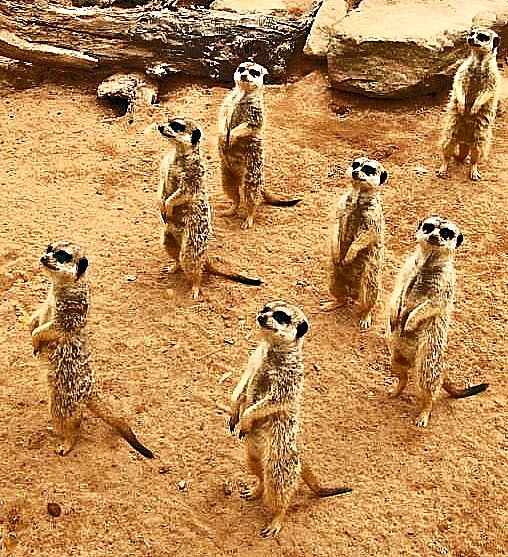
So, where’s all the agrobiodiversity news? Dunno. Maybe they’ve given up? Nah. Maybe they’re on holiday? Yeah, that’ll be it. So, when d’you suppose they’ll be back? Dunno. Better keep looking. …
Not to get too cute here, but in what has become an annual tradition, the bloggers of the Agricultural Biodiversity Weblog are taking a brief break. Two weeks, or thereabouts. Max.
Afore we go, though, we thought we’d share a last bit of news: Even in Christmas trees, diversity is important:
Choosing the right Christmas tree species must obviously be carefully considered prior to planting. The species must suit the site with respect to soil depth, drainage, fertility and texture. Investigate the potential market for each species that will suitably grow on the site and make decisions accordingly. Growing more than one species will permit some diversity and flexibility at market time. Remember, the first tree sales will be 7 to 10 years in the future and predictions of species preferences by consumers, e.g. Fraser fir versus Scots pine, will be important for marketing.
It must be true, I read it on the intertubes. Oh, and an afterthought: real trees are greener.
Flickr photo by Vanessa Pike-Russell, used under a Creative Commons Licence.
Robert, on Nibble This, asks:
Why is it – you think – that some peoples go outrageously overboard with chili consumption (to my taste, that is), while others are quite careful in keeping the spiciness under control. Chance? Human genetics? Alternative addictives?
Good question.
Jacob kindly suggested I nibble the world’s hottest chilli, but I’m no sucker. I’ll give it the full treatment.
The Economist has devoted a long article to what it cutely calls Global Warming, exploring Why the world has taken to chilies. This is something I’ve had a long-term interest in, as good an excuse to ramble as any.
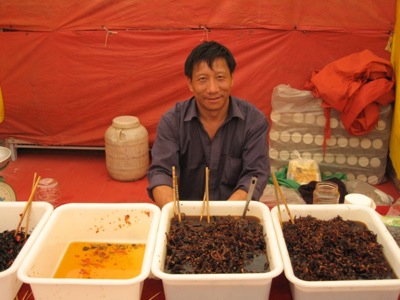
First off, Luigi’s nibble last year of the World’s Hottest Chile was clearly no such thing, as even then Michael Michaud had made the selection that was to become Dorset Naga. 1 That said, to my inexpert eye Dorset Naga and Bhut Jolokia do look very similar. Any chance of a DNA read-out?
Secondly, Michael Michaud is an all around good egg, and I hope he is profiting from his crazy hot chili. He and Joy, at South Devon Chilli Farm, have been unfailingly generous with their time, expertise and encouragement, and not just to me.
Then there’s the whole question of why people willingly subject themselves to the pain of hot chillies. 2 Long ago and far away, 3 best beloved, I made a television documentary called Why dogs don’t like chilli but some like it hot, which explored this very question. We spoke at length with Paul Rozin, who has studied the topic, and much else about food and taste, in depth and who has concluded that what may begin as thrill-seeking show-off behaviour becomes not quite an addiction, but certainly a craving.
Which, surprise, surprise, is exactly what The Economist concludes, more than 20 years on.
[P]ain relief. The bloodstream floods with endorphins—the closest thing to morphine that the body produces. The result is a high. And the more capsaicin you ingest, the bigger and better it gets.
…
In the same way as young people may come to like alcohol, tobacco and coffee (all of which initially taste nasty, but deliver a pleasurable chemical kick), chili-eating normally starts off as a social habit, bolstered by what Mr Rozin calls “benign masochism”: doing something painful and seemingly dangerous, in the knowledge that it won’t do any permanent harm. The adrenalin kick plus the natural opiates form an unbeatable combination for thrill-seekers.
At least that much is unchanged, unlike the holder of the World’s Hottest Chili.
Alan R. Bishop on Seed Exchange is Evil:
We are preventers of bio-terror if we are anything, we are keeping the food supply clean, the environment catered to, and the hopes and dreams of humanity alive and well, as Willie Wonka said “We are the music makers, we are the dreamers of the dreams!”
We are?