More on making bread Down Under

Do you remember a Nibble from a few weeks back about the bread-making potential of Australian native grasses? If you do, you may have wondered, as we did at the time, what grasses they might be, because “mandadyan nalluk” or “dancing grass” just don’t yield very much additional information on googling.

Well, there’s now a piece in The Conservation that is basically about the same thing, but thankfully links to a scientific name. Or four scientific names, to be exact, for four species in Astrebla, which is a genus that is new to me.

I do love seeing vernacular names in multiple languages being quoted in articles, but I also think they should always be backed-up by a Latin binomial.

And vice versa, of course.

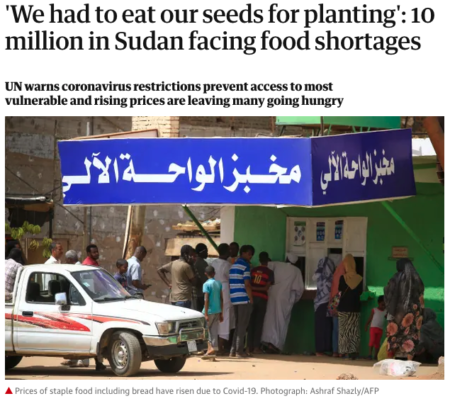
LATER: Wow, The Guardian really likes this stuff. Still no Latin names though.
Seeds: the good, the bad, the ugly

Ah, seeds.

You can’t live without them.

But, as the weird, unsolicited packets that have been sent to numerous recipients in the US (and elsewhere) prove, you can have too much of a good thing.

At least they are fairly diverse.

LATER: Diverse or not, India is on alert.

LATER STILL: Ok, so it’s just a brushing scam? How boring.

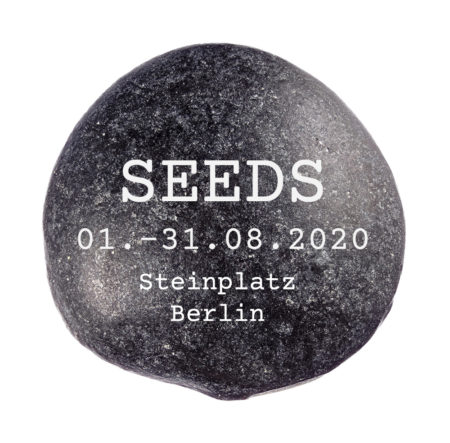
Seeds installation in Berlin

From August 1 to 31, 2020, the Education for Sustainable Development (SBNE) department will present the open-air installation SEEDS by the artists Taina Guedes and Uli Westphal. Photographs and images on the subject will be on display on large banners that will take a seed format. In addition, informative texts with pictograms by Phina Hansen accompany the installation, which revolves around three central questions:
Why does crop- and biodiversity disappear?
What is it threatened by?
How can we protect it?

Interested? Let us know here if you go.

In situ conservation practitioners in Europe getting serious

The latest from the Farmer’s Pride project, which as you may remember focuses on the in situ conservation of landraces and crop wild relatives in Europe:

  • “This tool is for landrace maintainers or those considering the cultivation of landraces to diversify their crop production system. It provides access to evidence-based information on the benefits, opportunities and practices of landrace cultivation to help in decision-making and to promote their in situ maintenance as a means of conserving and diversifying plant genetic resources for food, nutrition and livelihood security.”
  • “Are you taking care of plant diversity in situ (in cultivation and in the wild) and interested in joining forces to support future food security?” Yes? Then please take this survey.

Stay up to date by subscribing to their newsletter.