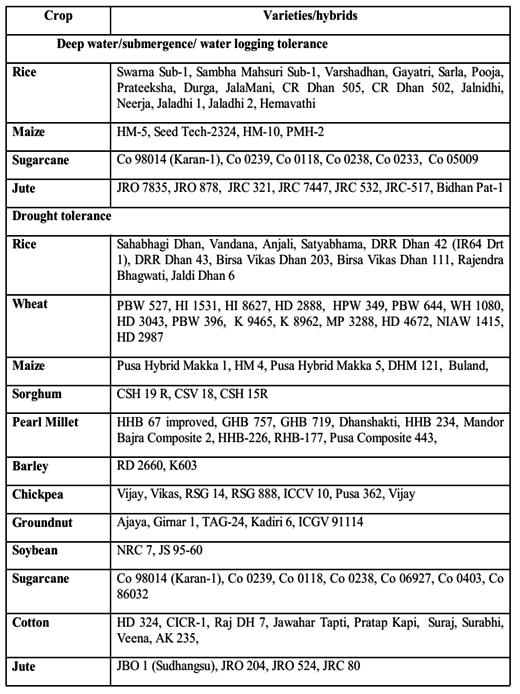
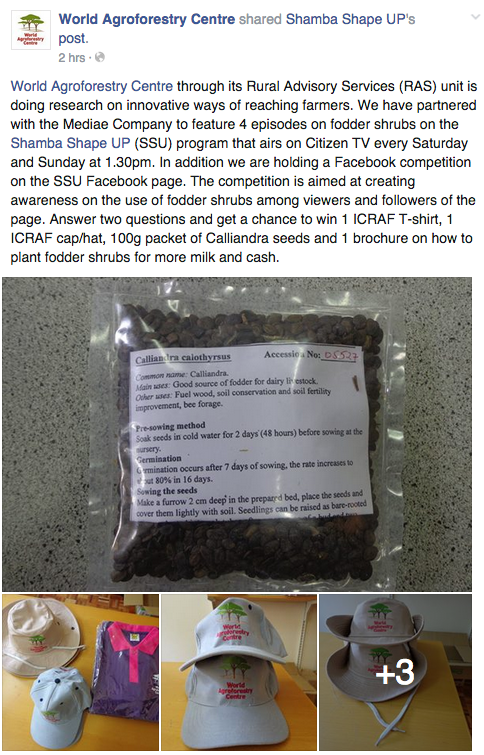
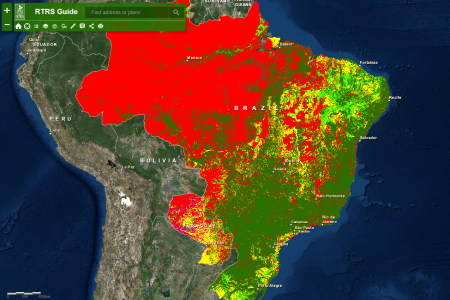
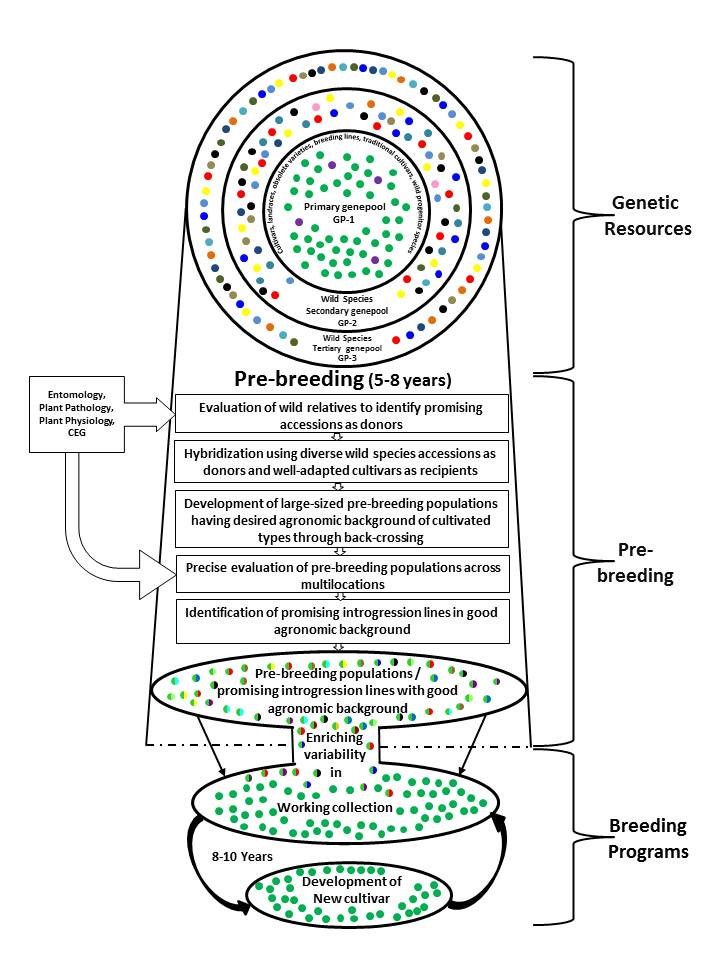
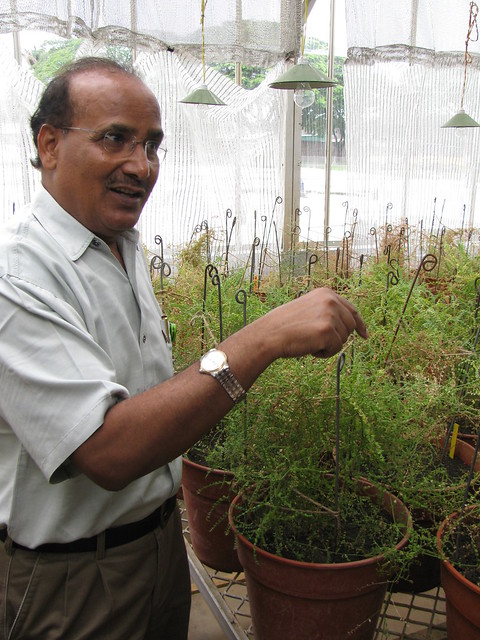
- Improving diets with wild and cultivated biodiversity from across the landscape. Only 12 papers on the link between agrobiodiversity or crop diversity and nutrition included nutritionally relevant information, so perhaps not surprising that we still don’t really know how agrobiodiversity or wild biodiversity contribute to overall diet quality.
- Biodiversity of Food Species of the Solanaceae Family: A Preliminary Taxonomic Inventory of Subfamily Solanoideae. 15 genera used as food, 4 have economic crops, but then one of them is Solanum.
- Diversity of genetic backgrounds modulating the durability of a major resistance gene. Analysis of a core collection of pepper landraces resistant to Potato virus Y. Breakdown of resistance conferred by given allele depends a lot on the background it finds itself in.
- Brief but alarming reminder about the need for reintroducing ‘Greek hay’ (Trigonella foenum-graecum L.) in Mediterranean agricultures. Why don’t people like this thing? Is it the smell?
- Crop Wild Relatives as Genetic Resources – the Case of the European Wild Grape. Introgression from American wild species in S. German wild grapes. Still probably valuable for various disease resistances, though.
- Mining new resources for grape resistance against Botryosphaeriaceae: a focus on Vitis vinifera ssp. sylvestris. See what I mean?
- Global mountain topography and the fate of montane species under climate change. Some plants may have more land available to them as they migrate upwards.
We must cultivate our garden
No better way to find out why — and how — than by reading The Seed Garden: The Art & Practice of Seed Saving. And I’m not just saying that because I just got my free copy. It really is a fabulous book, as beautiful as it is useful. Thank you, Seed Savers Exchange.
In the footsteps of Vavilov…
It is an invisible, apolitical band of dedicated researchers around the world who maintain these gene bank insurance policies. They walk in the footsteps of Vavilov, who died of starvation in prison during World War II, while his staff suffered a similar fate during the Siege of Leningrad rather than compromise the seeds they had saved for humanity.
Here are some members of that band.

Catching up with CROPS 2015
The CROPS 2015 conference on Improving Agriculture Through Genomics in on. Actually it’s almost finished. Sorry. But you can read about the keynote. And follow what’s left on Twitter. Maybe someone will explain what’s wrong with China’s soybeans.
For all the soybeans in China
There’s a chart in last week’s issue of The Economist that really got my attention. Here it is:

What in tarnation has been happening to soybean production in China? It looks really bad, especially compared to what’s happening to the other crops. And it’s important. Soybeans are now a big proportion of overall food imports.

So is it that Chinese farmers are just growing less of the crop? Well, FAOStat says no, it’s that yields have been stagnating of late:

But this is a problem that, for example, the US and Brazil seem not to be having. It’s not as if Chinese breeders and gene-jockeys aren’t trying. And they have plenty of genetic diversity available. So what’s going on? Maybe one of our readers can explain.