Everybody’s talking about the current food price crisis; what it means, what’s causing it; whether it is an opportunity to ask for increased funding. With impeccable timing, IFPRI has released a report examining the extent to which market prices in sub-Saharan Africa reflect changes in global prices. I haven’t read it, and here are IFPRI’s take-home messages:
- Staple food prices in these countries rose 63 percent between mid-2007 and mid-2008, about three-quarters of the proportional increase in world prices.
- Statistical analysis over 5 to 10 years indicates a long-term relationship with world prices in only 13 of the 62 African food prices examined. African rice prices are more closely linked to world markets than are maize prices.
- The global food crisis was unusual in influencing African food prices, probably because of the size of the increase and the fact that it coincided with oil price increases. Policy responses and local factors exacerbated the effect in some cases.
IFPRI does then go on to offer some suggestions.


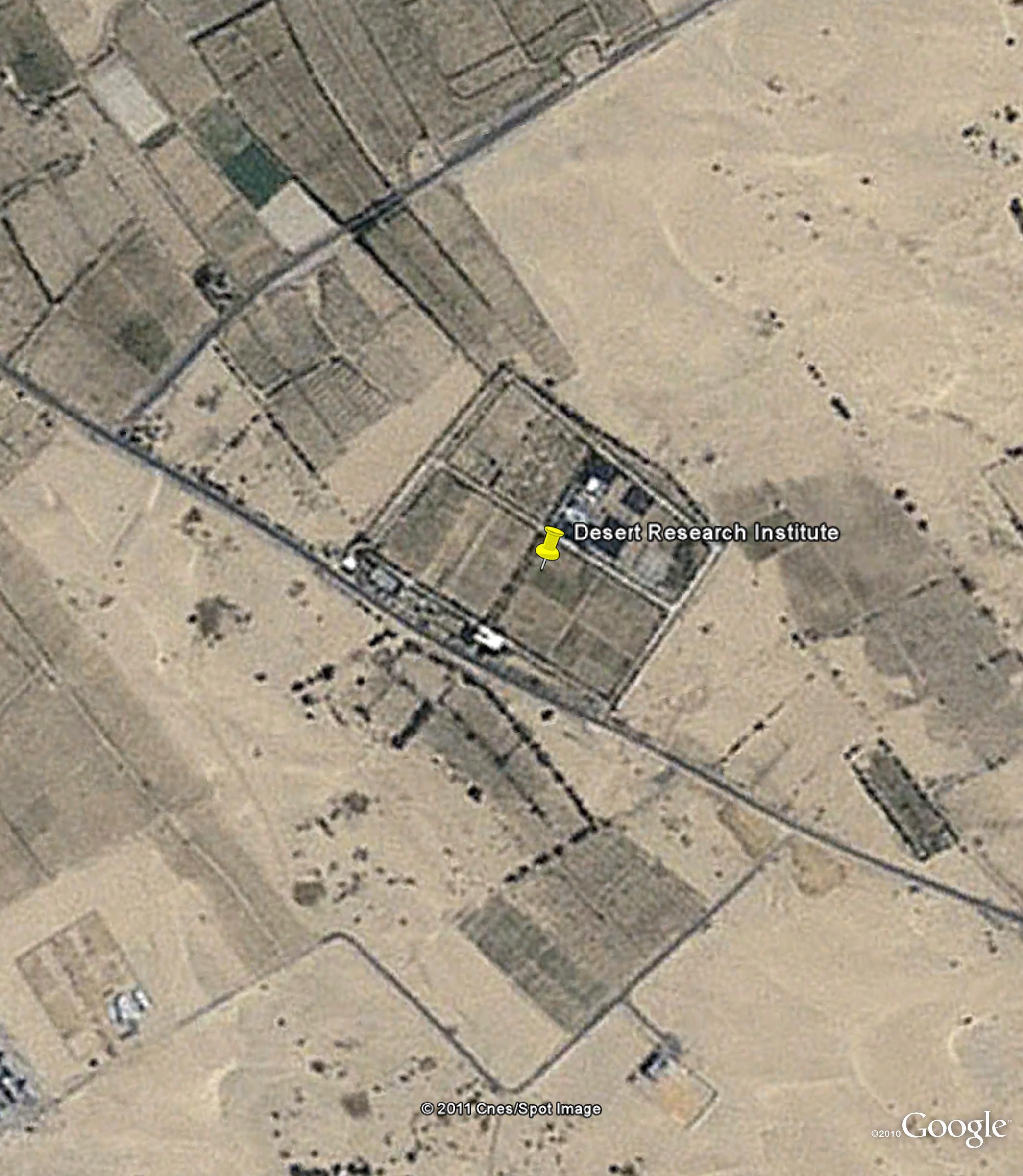
 El-Sayed is adamant that the seeds and field genebank are safe. However, it is clear that the laboratories have been thoroughly trashed, and a lot of equipment broken or taken.
 Along with the computers went a lot of data. El-Sayed says he has lost some of his PhD data. And the genebank’s database seems to be gone, although the passport data is still around in hardcopy. There are about 1100 accessions in the genebank, of about 750 wild plant species.
 Which brings up a point that’s maybe not often addressed. And that is that the desirability of safety duplication goes as much for the data about germplasm accessions as for the seeds themselves.