- That claim of Neolithic Georgian wine is, ahem, problematic.
- Yam cultivation can be, ahem, problematic.
- Neglecting women in breeding programmes can be, ahem, problematic.
- Khat cultivation is, ahem, problematic.
- Post-conquest depictions of the cacao plant were, ahem, problematic.
- Imperial plant collecting was, ahem, problematic. But the BBC doesn’t care.
- I find the claim that the potato saved Europe from war, ahem, problematic.
- No problem at all about cooking taro.
Brainfood: Wheat exudates, Conservation threats, Resilience, Dietary recommendations, Urban green spaces, Dog spread, Wild foods, Ethnic fish, Brazilian cattle, Nocturnal fixation, Agroforestry impacts
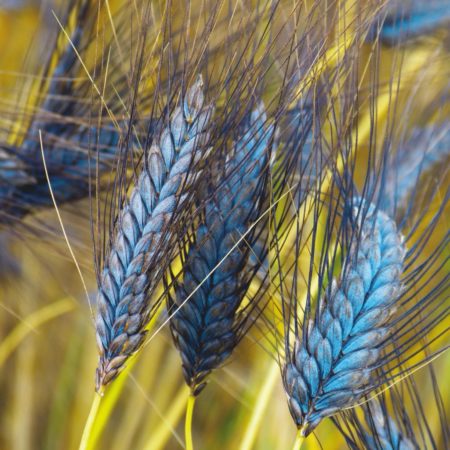
- Evolution of the crop rhizosphere: impact of domestication on root exudates in tetraploid wheat (Triticum turgidum L.). Domestication and breeding have led to (probably adaptive) changes in root exudates.
- Threats from urban expansion, agricultural transformation and forest loss on global conservation priority areas. Vertebrate Biodiversity Hotspots are most threatened by all three factors. Plants too?
- Patterns and drivers of biodiversity–stability relationships under climate extremes. Species richness may not be enough to buffer ecosystems from extreme precipitations events. But a different metric would give a different result?
- Evaluating the environmental impacts of dietary recommendations. Adopting nationally recommended diets would help the environment.
- On the Use of Hedonic Price Indices to Understand Ecosystem Service Provision from Urban Green Space in Five Latin American Megacities. There’s an overall strong positive correlation between urban greenery and house prices, but it’s context-specific.
- Disease: A Hitherto Unexplored Constraint on the Spread of Dogs (Canis lupus familiaris) in Pre-Columbian South America. Yes, why are there no dogs in the Amazon?
- Children and Wild Foods in the Context of Deforestation in Rural Malawi. Fewer wild foods in more deforested sites, and fewer sold by children from better-off households. What of the nutrition outcomes, though?
- Biodiversity defrosted: unveiling non-compliant fish trade in ethnic food stores. About 40% of samples in Liverpool and Manchester mislabelled.
- Population viability analysis of the Crioula Lageano cattle. It’s going to be fine.
- The Kalanchoë genome provides insights into convergent evolution and building blocks of crassulacean acid metabolism. Next stop, CAM rice.
- Contribution of trees to the conservation of biodiversity and ecosystem services in agricultural landscapes. It depends. But what would those kids in Malawi say?
Crop genomics conference in the past, but only just
Sorry, everyone, I should have given a shout-out to the Crops Genomics: Present & Future conference at ICRISAT, which started yesterday. All the usual social media channels are in play, and the tweeting has been considerable already. But what I don’t see, yet, is concrete applications to make the work of genebank managers (as opposed to breeders) easier and more effective. Or is that the future part?
Nibbles: Tamed, Avocado trifecta, Chinese art, Opuntia, Breeding book, Ari.Farm, Grand Canyon ag
- Nice podcast on Prof. Alice Roberts’ book on domestication, Tamed.
- Remember yesterday’s Nibble on Mexico’s avocado security problem? Wait till they start growing these seedless ones. Or this one, for that matter.
- Is this jade bok choy the most famous botanically-themed work of art?
- Let them eat cactus.
- Plant breeding as a business: the book.
- You can use Bitcoin to buy Somali goats.
- Corn wasn’t king in the ancient American SW. Ruderals were.
European parliamentarians get to grips with crop wild relatives
A European Parliament committee discussing “Genetic diversity, conservation and crops wild relatives”? Yeah, I didn’t think that was possible either, but here’s the evidence. And you can even see and hear the whole thing, in the language of your choice. 1 In the hot seat in front of the committee were: Prof. Nigel Maxted, Senior Lecturer in Genetic Conservation, School of Biosciences, University of Birmingham, UK; Dr Susanne Barth, Senior Research Officer, Plant Genetics, Teagasc CELUP Crop Research, Ireland; and Dr Nicolas Roux, Senior Scientist, Musa Genetic Resources Team Leader, Effective Genetic Resources Conservation and Use Initiative, Bioversity International, Montpellier, France.
At least one parliamentarian was impressed with what Nigel (right) et al. had to say. Let’s hope that translates into action.
Fascinating session in @EP_Agriculture on Genetic Diversity and Crop Wild Relatives. Dr Nigel Maxted from @birminghamuniv talking about threats to genetic diversity and importance of conserving wild plant species, “we cannot wait we have to conserve them now” pic.twitter.com/Uw8UkySDDa
— Anthea McIntyre (@anthea_mcintyre) December 7, 2017