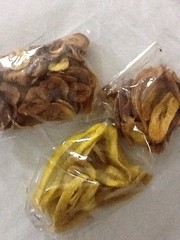
Lots of dates diversity for sale in Dubai.
IRRI DDG has difficulty finding right rice variety shock
What we would have wanted is a simple, more concrete variety selection tool that could have guided us to a few specific options, and also provided us with enough variety performance information for making the final choice. The latter doesn’t seem to be easily accessible. On the other hand, informal feedback received from farmers and extension workers suggests that NSIC Rc 222 has performed well since it was released. So, we can also use this see with your own eyes or hear from others information for making our decision. Perhaps that is also what many farmers do.
That’s none other than Dr Achim Dobermann, the DDG of the International Rice Research Institute (IRRI), on the difficulties of finding the right variety to use in his attempt to grow a rice crop. 1
Will he do anything about it, I wonder. And wouldn’t it have been nice to have grown a local landrace side-by-side with NSIC Rc 222 (aka Tubigan 18, aka IRRI 154). Great idea for a DDG to get so down and dirty, though. Not to mention blog about it.
Incidentally, NSIC Rc 222 (aka Tubigan 18, aka IRRI 154) has an, ahem, interesting history, which you can explore by typing any of its names into IRRI’s International Rice Information System.
Nibbles: Whiskey, Project design, Australian genebanks, Gender, Books, FAO DG Q&A
- Meet my two best friends, Jack and Daniel.
- How to design sustainable intensification projects.
- All about the Aussie PGR “system.” What’s that you say? They need another genebank?
- I just know you want to go to the Global Conference on Women in Agriculture.
- If that doesn’t grab you, perhaps Denver Botanic Garden’s series of booktalks will. Tea & sushi, anyone?
- New FAO DG pushes all right buttons except for agrobiodiversity. Which is left for others at FAO to push.
Global conference on AnGR conservation puts materials online
I think we may have mentioned before that the Rare Breeds International (RBI) Global Conference on the Conservation of Domestic Animal Genetic Diversity was held at Namik Kemal University in Tekirdag, Turkey in October last year. Well, the presentations and proceedings are now available on the web, albeit it in a couple of different places. Dig in!
Brainfood: Climate change in Europe, Slow cheese in Portugal, Grapevine diversity in Spain, Noni in India, Farmers and pastoralists in Jordan, Stevia everywhere, Almond genes flow, Peanuts, Disease control
- Representing two centuries of past and future climate for assessing risks to biodiversity in Europe. Temperature up 3-6°C throughout Europe by end of century, rainfall down in south, up in north. Sounds lovely.
- Gourmandizing Poverty Food: The Serpa Cheese Slow Food Presidium. Trying to bring back a lost Portuguese cheese is romantic and elitist. Wish they’d just say what they really mean.
- Genetic diversity of wild grapevine populations in Spain and their genetic relationships with cultivated grapevines. If there’s a genetic contribution of wild grapevines to cultivated in Spain, it’s not great.
- Revisiting the origin of the domestication of noni (Morinda citrifolia L.). Let’s just say Pacific islanders won’t be pleased.
- The desert and the sown: Nomad–farmer interactions in the Wadi Faynan, southern Jordan. Changes from sedentarism to pastoralism are mainly due to chance.
- Stevia rebaudiana Bertoni, source of a high-potency natural sweetener: A comprehensive review on the biochemical, nutritional and functional aspects. Not just sweetness, folic acid, vitamin C and all of the indispensable amino acids except tryptophan too.
- Gene flow among wild and domesticated almond species: insights from chloroplast and nuclear markers. The main insight being that it happens a lot, in both directions.
- Agricultural Technology, Crop Income, and Poverty Alleviation in Uganda. New peanut varieties increase incomes and reduce poverty, but aren’t enough on their own.
- Plant diversity improves protection against soil-borne pathogens by fostering antagonistic bacterial communities. It sure does, at least in a long-term grassland.