- Visit Cuba with boffins of the University of Washington Botanic Gardens. Well that sounds like fun.
- You liked naked oats? Get a load of naked pumpkins. Comments disabled for Manitoba farmers.
- Psst, wanna genebank data management system? Only slightly used…
- Something else you can blame your beer belly on: wheat.
- Have your forest and eat it too.
- Solving malnutrition in Zambia. I wanna know more about those “improved seed varieties.”
- And about these too for that matter: “…ICARDA is urgently sending to Libya seeds of wheat, barley, legume and forage crops for the 2011-2012 cropping season…” Incidentally, any news about the Agricultural Research Centre in Tripoli?
- Forest certification helps nearby Heritage Sites.
Another VIP visits the IRRI genebank
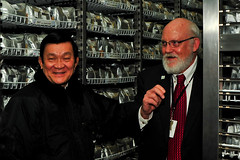
This time it’s the president of Vietnam. There are 2797 accessions from Vietnam in the IRRI genebank.
Core blimey: BBC does apples
The rip-roaring yarn of Indiana Appleseed in the Canyon of Lost Treasure in the Boise Weekly, when posted to Facebook, elicited a reference from Mike Jackson to a BBC Midlands news item about the hundreds of apple varieties in Herefordshire, and the role of Thomas Andrew Knight, president of the RHS from 1811-1838. That sounded really interesting, but the BBC website doesn’t allow me to watch that particular video clip here in Italy. Fortunately, Herefordshire Council has no such compunctions about freeing its content, which allows me to mark the fact that 2011 is Herefordshire’s Year in the Orchard before the end of the year in question, if only just. Having said that, the BBC did have an article back in June on the Great British Apple in connection with another programme, in which “[h]orticulturalist Chris Beardshaw uncovers the British contribution to the history of our most iconic fruit.” And it looks like I’ll be able to watch at least some bits of that.
The hottest conference of the year
The 21st International Pepper Conference is coming up. Well, sort of, it’s in a year’s time, November 4-6, 2012 in Naples, Florida, USA. I wonder if self-described seed capitalist and Tabasco aficionado Tom Adlam will go. Or at the very least “friend” the Facebook page. No sign of a blog, though, which is increasingly de rigueur these days at conferences, nor a Twitter hashtag. Early days, I guess. However, you can already sign up, clunkily, for an email newsletter.
FAO fruit art display
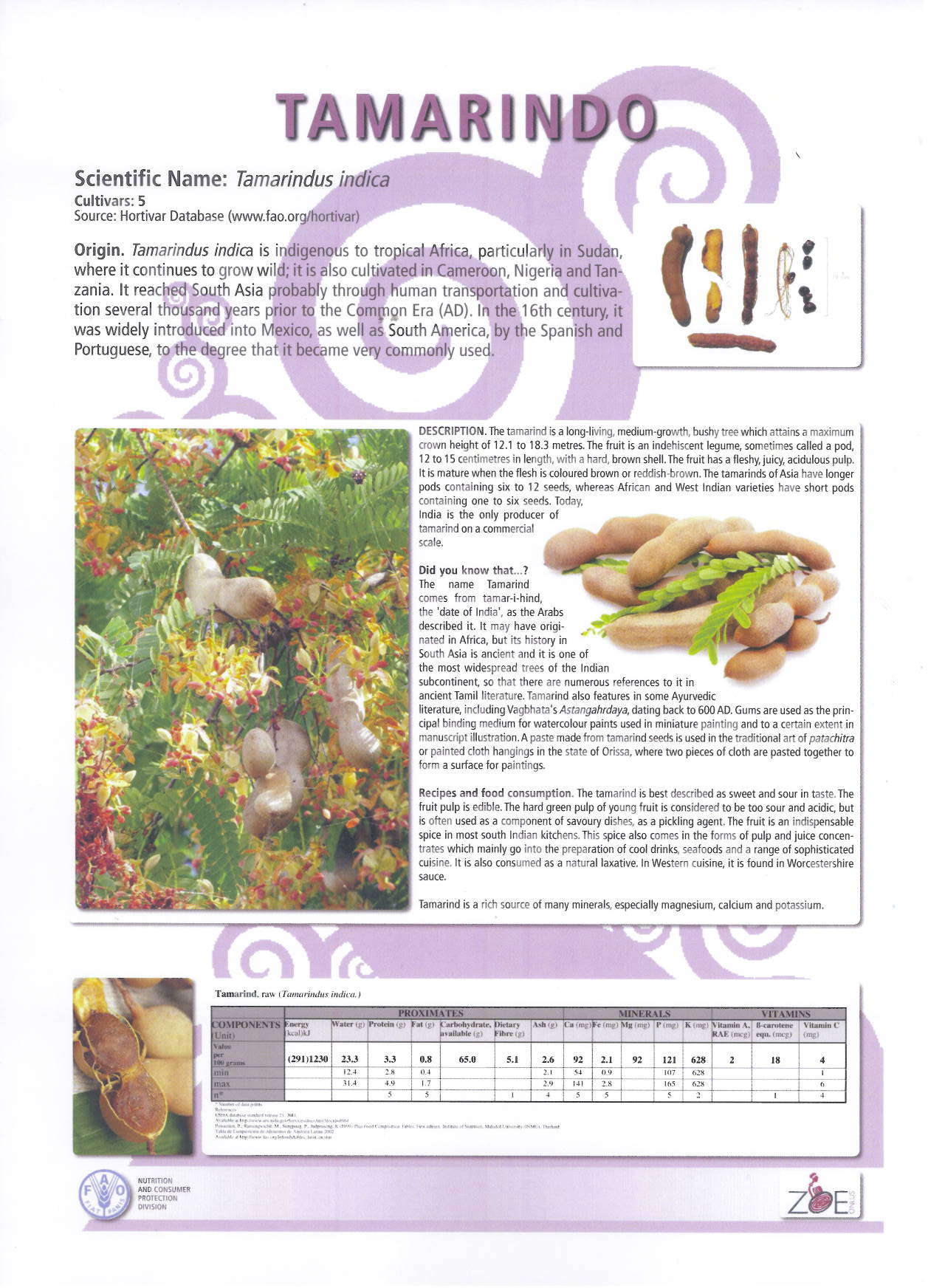 Clearly, I need to learn to stay on things at least a beat longer. Watching this made me seasick, and I knew what was coming. Anyway, the display is in FAO’s Flag Room. The posters (and accompanying fact sheets) are from FAO’s Nutrition and Consumer Protection Division and cite the Hortivar Database, which is a new one one me. And no, baobab wasn’t there.