- Planting roadsides with natives, including crop wild relatives. And here comes the database.
- Orange Maize: The Movies.
- VirtualKenya really here. Mother-in-law beside herself.
- Plant Cuttings is out. And all of a sudden I’m in a much better place.
- Small is beautiful, farm edition. And as chance would have it, coffee farm edition. And urban edition.
- Dispute at iconic coconut plantation resolved. Apparently there are some really unique varieties there.
- I say boniato. For the first and last time.
- Acacia on the brink. Easy, tiger. The name, not the genus.
- We’re going to need a better model.
- Pulque comes back. Never knew it had gone away.
- Domesticating fruit trees in Kenya. Something for VirtualKenya?
Making the most of bitter gourd diversity at AVRDC
Another interesting agrobiodiversity piece in AVRDC’s newletter today:
The AVRDC Nutrition group is locked in a struggle with a cucurbit – and so far, warty Momordica charantia appears to be winning! As part of the project “A better bitter gourd: exploiting bitter gourd to increase incomes, manage type 2 diabetes, and promote health in developing countries,” researchers have begun preparing samples of the vegetable for later laboratory analysis.
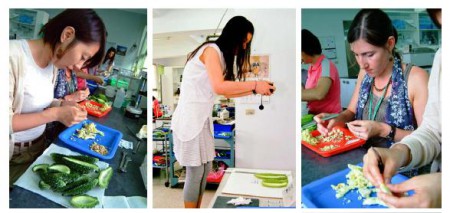
Interested? “Like” the project’s Facebook page then!
Bee good
 Wait, it’s National Pollinator Week? Not in Sweden, alas.
Mapping Australian biodiversity
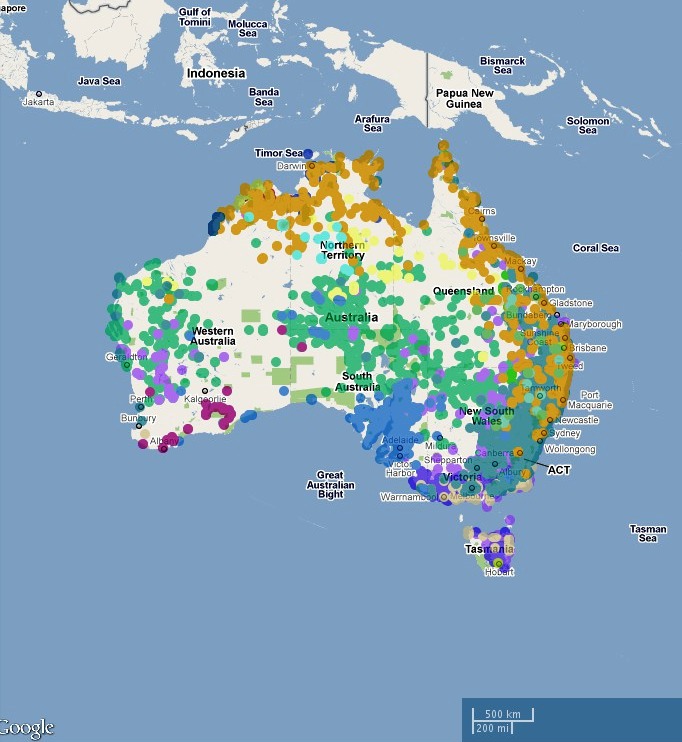
I finally got around to having a go at the Atlas of Living Australia. Very nice. You can make, and download images of, pretty maps of species distributions, Glycine in this case.
And you can mash that up with lots of different environmental layers, such as protected areas, as below.
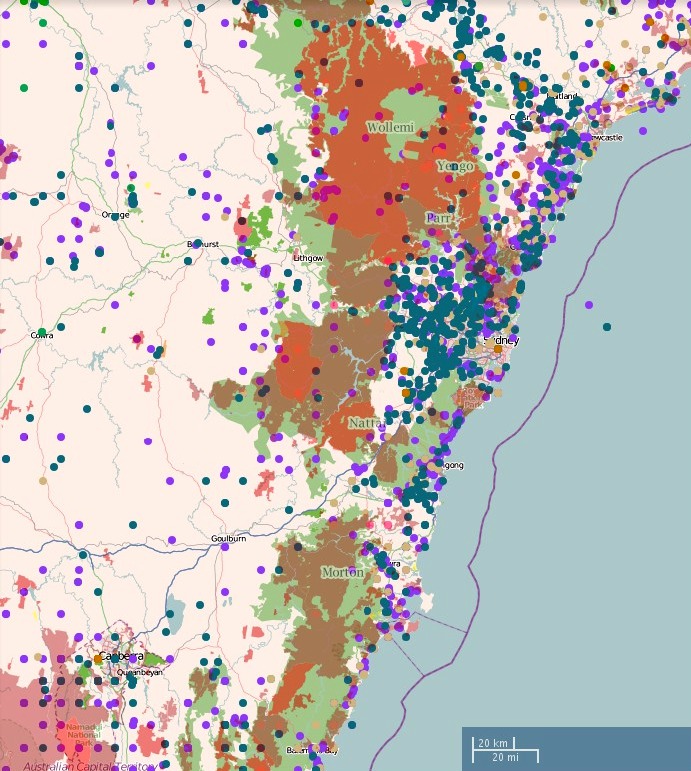
There are nifty spatial analysis tools built in, to help you predict species distributions based on climate, for example, or explore the range of adaptation of a taxon. You can contribute to the data through citizen science projects. And much more. Well worth exploring.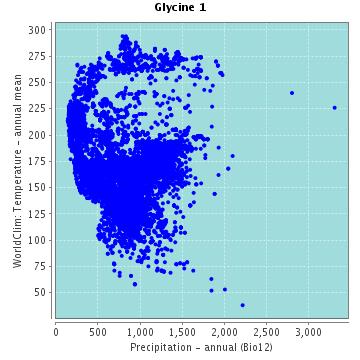
What you can’t do — or at least I couldn’t find a way of doing it — is export the species distribution data to a kmz for use in Google Earth. Something I’ve complained about before for other biodiversity portals. Maybe someone out there will tell us why that is. 1
One final thing. It’s a great idea to feature a number of “themes” on the atlas website, to get people started. At the moment it is things like wattles, “iconic species” and ants. Why not crop wild relatives?
Nibbles: Cryo, Tree diversity, Agroforestry, Seed industry, Trigonella, Ancient MesoAmerica, Niche models
- CIP’s high-tech genebank.
- “The project’s eventual aim is to plant several thousand trees at sites across Perthshire to act as a ‘living gene bank.'” What, because normally genebanks are dead?
- Millennium Seed Bank joins ICRAF’s BusyTrees thing. Which you can follow in about a million different social networking ways.
- Conservation Magazine does a number on crop improvement. Wait, what? Conservation Magazine? Yep, and with teaching resources.
- Fenugreek, barkeep, and make it a double.
- Ancient chocolate and corn routes.
- What species distribution models do you like?