Of course the obligatory conspiracy theories have surfaced, but Monsanto’s gift of its extensive cabbage germplasm collection to North Carolina’s State University’s Plants for Human Health Institute seems genuine enough.
“Monsanto is pleased to contribute cabbage germplasm to N.C. State University’s Plants for Human Health Institute at the N.C. Research Campus,” said Consuelo Madere, Monsanto’s Global Vegetable and Asia Commercial lead. “We sell cabbage seed under our Seminis brand in several world areas,” she said, “and we are delighted that the Institute will be working at NCRC to develop cabbage varieties well suited to the local production needs in North Carolina. It’s a great example of public and private efforts coming together at the campus.”
That might suggest that Monsanto would look askance at the material getting too far beyond North Carolina, but Dr Allan Brown, the breeder with the Plants for Human Health Institute who will be managing the collection, assures me there are no strings attached with regard to availability. He has a long job ahead checking on the viability of all the accessions, and regenerating and multiplying the material as needed, but he sees no impediment to it eventually being widely available, though he cannot put a date on that.
That’s good news for cabbage breeders around the world. If I were a proper reporter I would ask Monsanto why they didn’t make the donation to the USDA’s Northeast Regional PI Station at Geneva, New York, which manages plenty of cabbages, and which would then very willingly have made the material available to NCSU, and everyone else to boot. Maybe I will anyway.
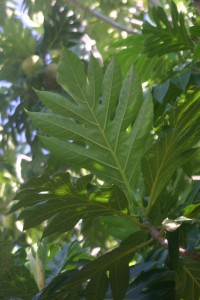 The reason Frank gave for believing his plants to date back to Capt. Bligh is “because he brought them to