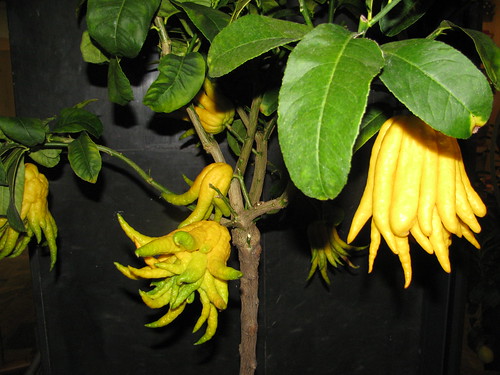
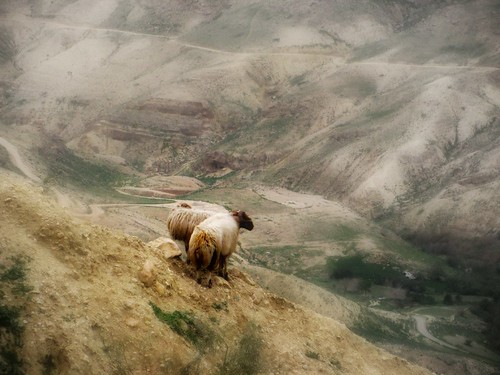
- More on the inauguration of the new Nepal genebank.
- Someone else thinks crop production maps might be useful in prioritizing germplasm collecting. No, wait…
- Diverse diets are good for you. Well I never. No, it’s always good to have the data.
- Andy Jarvis feeds reptiles climate change facts shock.
Live tweeting The Big Nature Debate
Well that was fun. Along with a few others, I live tweeted The Big Nature Debate which took place at the Natural History Museum in London on the afternoon of 7 October. You can get a flavour by checking the naturedb8 hashtag, 1 but I wasn’t very consistent in using it, and neither were the others, so you might need to hunt around for more, untagged tweets. Best point made? Well, apart from the one about weevils being important too (as pollinators of oil palm, among other things), that biodiversity conservation needs to talk to agriculture. I think that came from Professor Jon Hutton, Director of the United Nations Environment Programme World Conservation Monitoring Centre. And vice versa. As pointed out using crop wild relatives as an example by Paul Smith, Director of the Millennium Seed Bank, Kew Royal Botanic Gardens.
When agriculture is one with neither nature nor people
Remember our recent discussion here about the disconnect between the biodiversity conservation and agrobiodiversity communities? 2 Here’s further evidence, not that it is needed. An article from IUCN entitled When nature and people are one, on the link between human and biological diversity. Which entirely fails to mention agriculture. Even as a bad thing.
Eating Your Environment lectures kick off
Quite a lineup for this lecture series on Food: Eating Your Environment at U Washington. Every Thursday from 5 October to 30 November. Anyone going to any of them and would like to tell us about it?
Featured: Genebank funding
Dag lengthens the list of genebanks in some kind of trouble.
Also the Nordic Genetic Resources Center (NordGen, formerly the Nordic Gene Bank, NGB) face a thrilling end of the year balance this year. Even after heavy cuts in the operational costs during 2010 (and 2009) the genebank does not expect to be able to meet the budget for the end of the year financial status.
Where will it end?