Skip to content

Agricultural Biodiversity Weblog

Crops, livestock, microbes, pollinators, wild relatives, agroecosystems, foodways …

  • Home
  • About
  • What is agrobiodiversity?
  • Follow us
  • Contact us

Author: Luigi Guarino

Posted on June 28, 2009

Chicks on film

Through interviews and reenactments, The Natural History of the Chicken investigates the role of the chicken in American life and tells several remarkable stories.

Via.

Posted on June 28, 2009June 28, 2009

Nibbles: Bats and bananas, Extension, Russian animal harvests, Rice improvement, Sacred groves

  • “Wild bananas share with bats a long history that started some 50 million years ago.”
  • Jeremy waxes lyrical about extension.
  • Ah, those age-old Russian pastimes, hunting walrus and farming deer horn.
  • Kellogg’s reaches out to PhilRice genebank.
  • Indian sacred groves need help.
Posted on June 26, 2009June 25, 2009

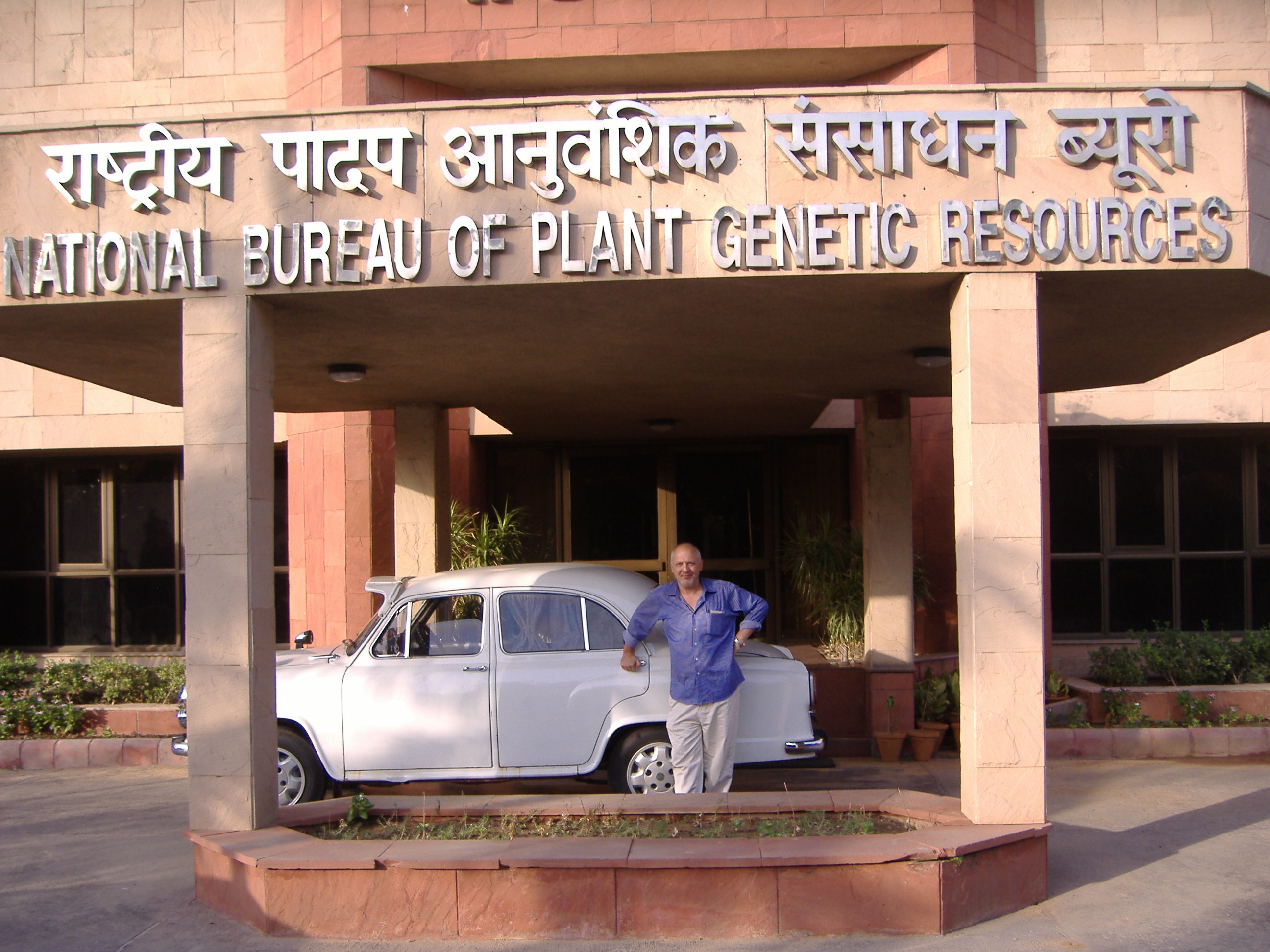
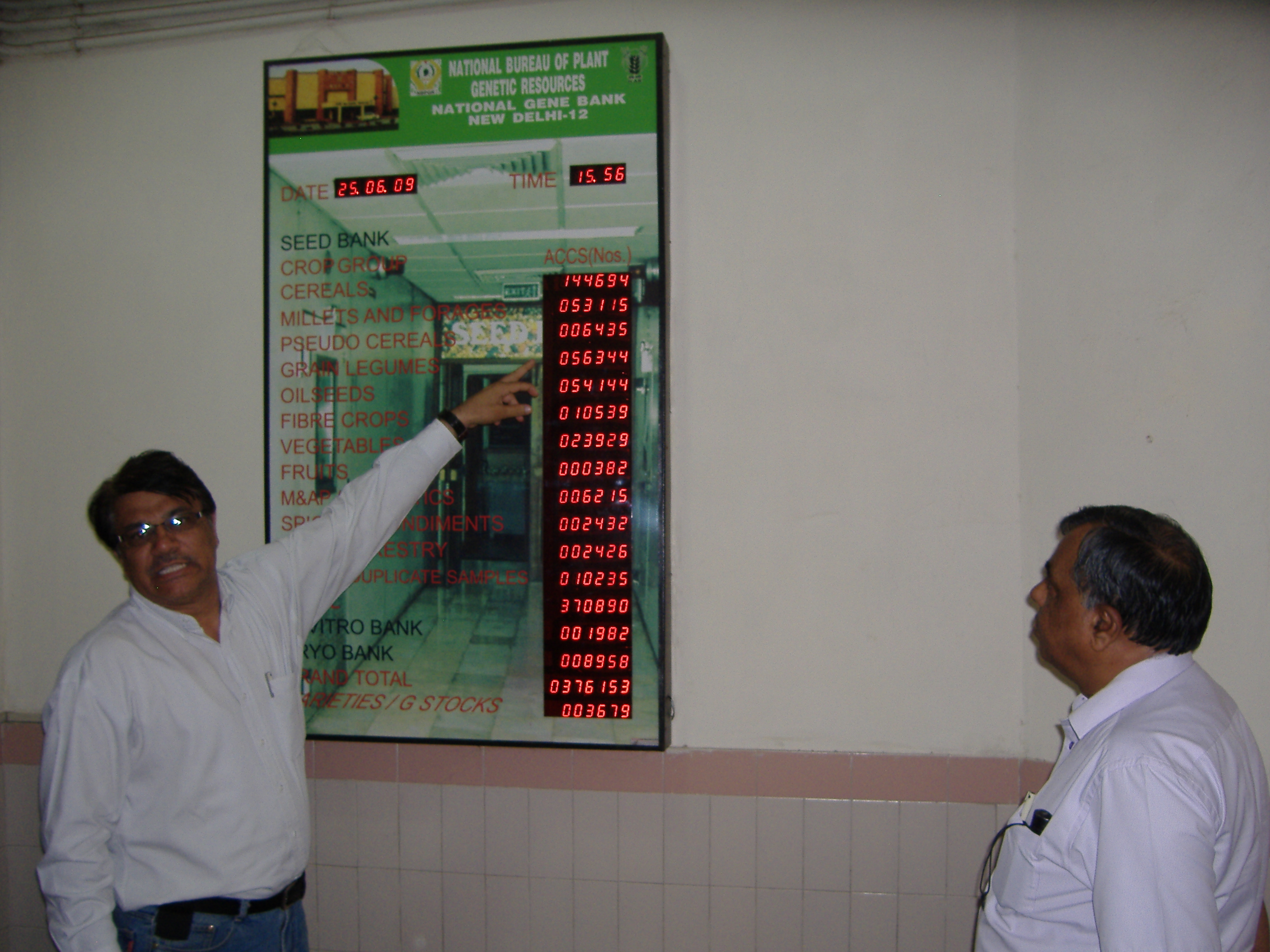
What I’m doing on my holidays

dscf88051

dscf8774

Must remember to ask if they have any of this.

Posted on June 25, 2009

BBC’s Nature Inc. tackles “one sexy tuber”

…some agribusinesses and farmers are seeing sustainable profits and productivity in encouraging crop diversity.

This I gotta see. But, alas, probably wont. Please watch and let us know how exactly agribusiness is encouraging potato diversity.

Posted on June 25, 2009June 25, 2009

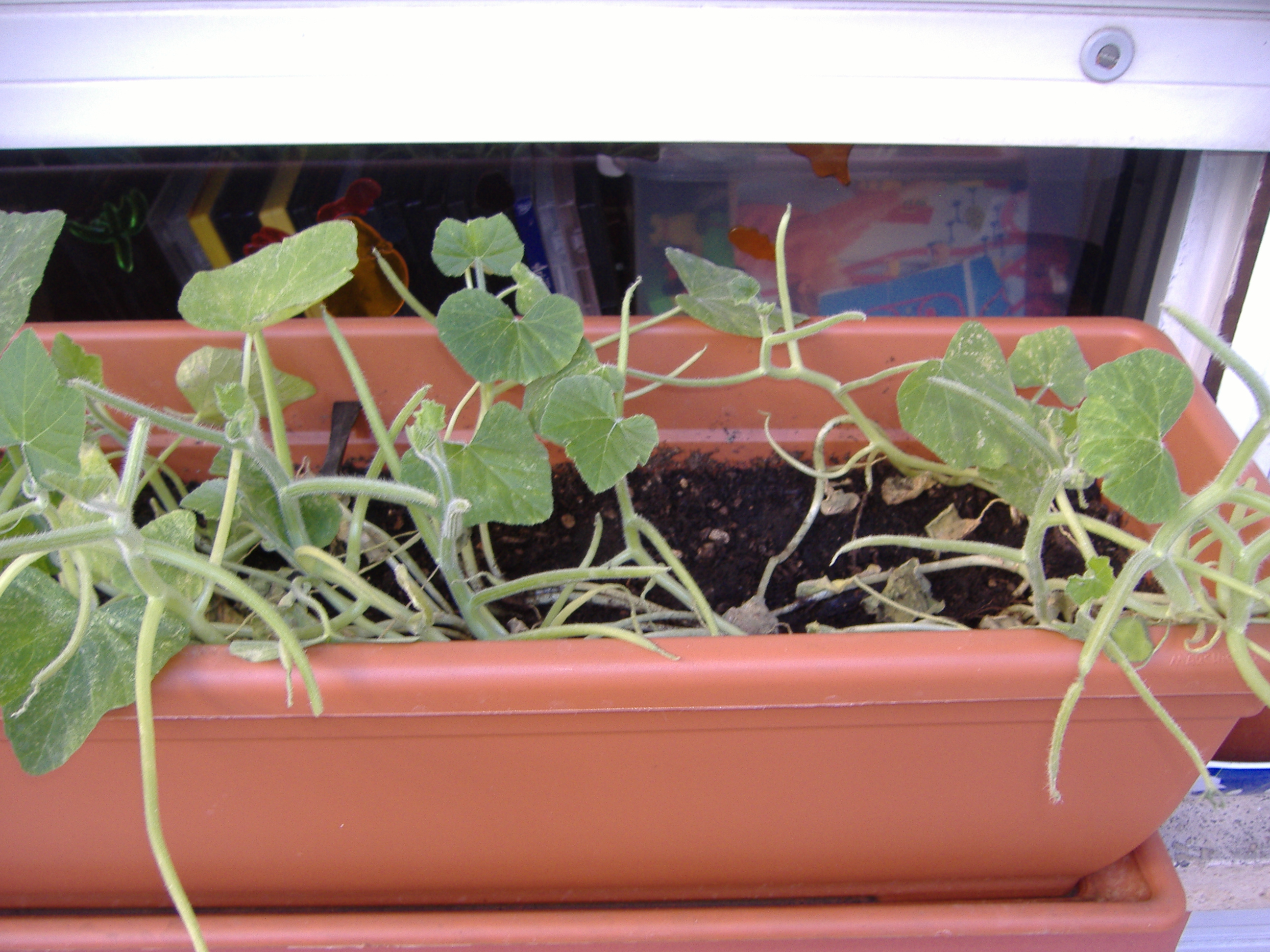
You know you have a Kikuyu in the house…

…when you find the pumpkin (kahurura) plants defoliated to colour the mashed potatoes.
dscf8766

Posts pagination

Previous page Page 1 … Page 971 Page 972 Page 973 … Page 1,293 Next page

Subscribe

Paste this URL into your Feed Reader:
https://agro.biodiver.se/feed/

Fresh Nibbles

    1. Ancient farmers didn’t have to wait for the genetic diversity that made domestication possible. They selected from variation already present in wild plants, including the ancestors of rice and maize. Domestication was as much about spotting (or happening upon) useful differences as creating new ones.
    2. English colonists in America called Indigenous dogs “wolves,” revealing as much about colonial perceptions as about the animals themselves. This history of Indigenous dogs shows how unfamiliar animals were classified through peculiarly European ideas about wildness.
    3. Austria is bringing forgotten apple varieties back to life. Saving old varieties in genebanks is one thing: getting people to grow, sell and eat them is another, but it can be done. Or at least tried.
    4. Jordan’s olive-oil heritage centres on traditional varieties such as Nabali and ancient Rumi trees, but most production is consumed locally, leaving exports limited and making provenance, cultivar and harvest date important indicators for buyers. Compare and contrast with Austrian apples.
    5. Small island developing states have distinctive food cultures and ingredients, but face particular challenges in building sustainable and resilient food systems. FAO’s A Taste of SIDS explores the connections between island food, biodiversity and culinary heritage. Nice to see diversity within crops considered, though a few local variety names would have been nice.

    Published on October 21, 2026

Proudly powered by WordPress