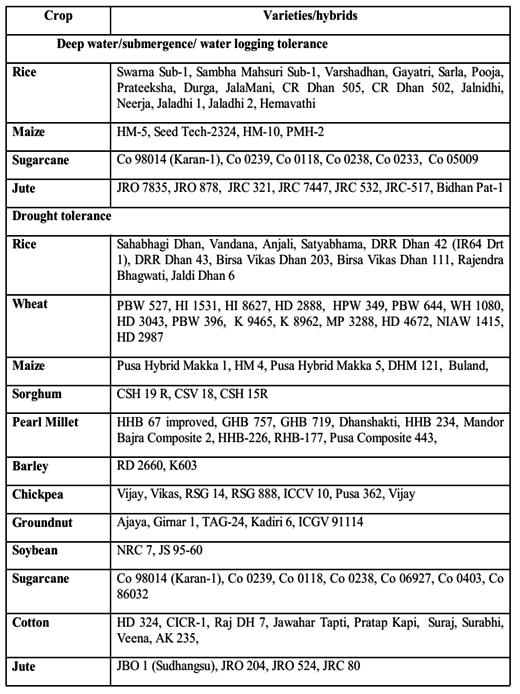
 Surprising, though in a good way, to see a Government of India press release listing newly-released flood and drought resistant varieties of a number of staple and cash crops. What I’d like to know is how many of them owe their existence to material that breeders sourced from genebanks, either India’s own national system or the international genebanks of CGIAR. I see the famous flood-resistant Swarna Sub-1 rice is there, which was developed at IRRI. Maybe there are others.
Nibbles: Barley domestication, Apple pie, Mexican food & drink, CABI, Old seeds, IT
- Secret of barley brittle rachis revealed. In other news, there’s a Centre of Excellence in Plant Cell Walls.
- Bramley apple pie filling protected. But from who?
- Participatively bred Oaxacan maize finds a market niche.
- Have some tequila with that participatively bred Oaxacan maize.
- “We can call a government and tell them our data is telling us that a pest is on the way.”
- The coolness of seeds.
- Yeah but “[g]ood seed in the wrong place is no longer good seed.”
Nibbles: Sustainable database, Strawberry breeding, Breeding rice, Nutrition champion, Camel milk, Mike Jackson, Feed the Future, Quinoa prices, Small is beautiful
- A database of how you do sustainable intensification.
- Building a better strawberry.
- New lab helps Bangladesh with high-zinc rice.
- Maybe those guys are you nutrition champions.
- They’re right, camel milk is good, and good for you.
- Useful list of Mike Jackson’s publications.
- Pres. Obama learns about maize in Ethiopia.
- Increased quinoa supply leads to lower prices shock.
- Silly season roundup: tiny watermelons (no, not really), tiny pineapples.
ICRISAT DG on the importance of genebanks
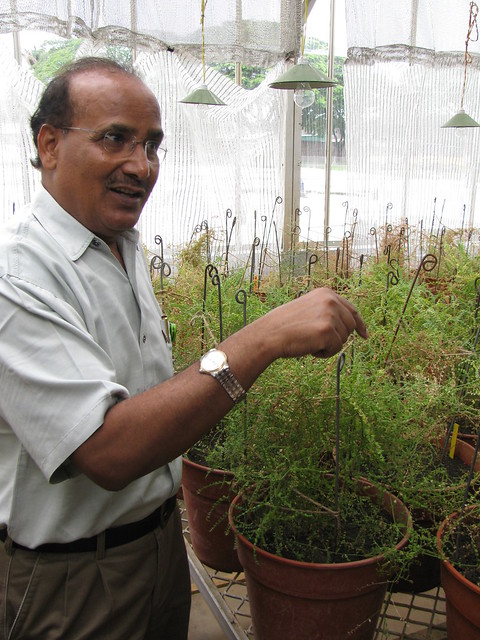
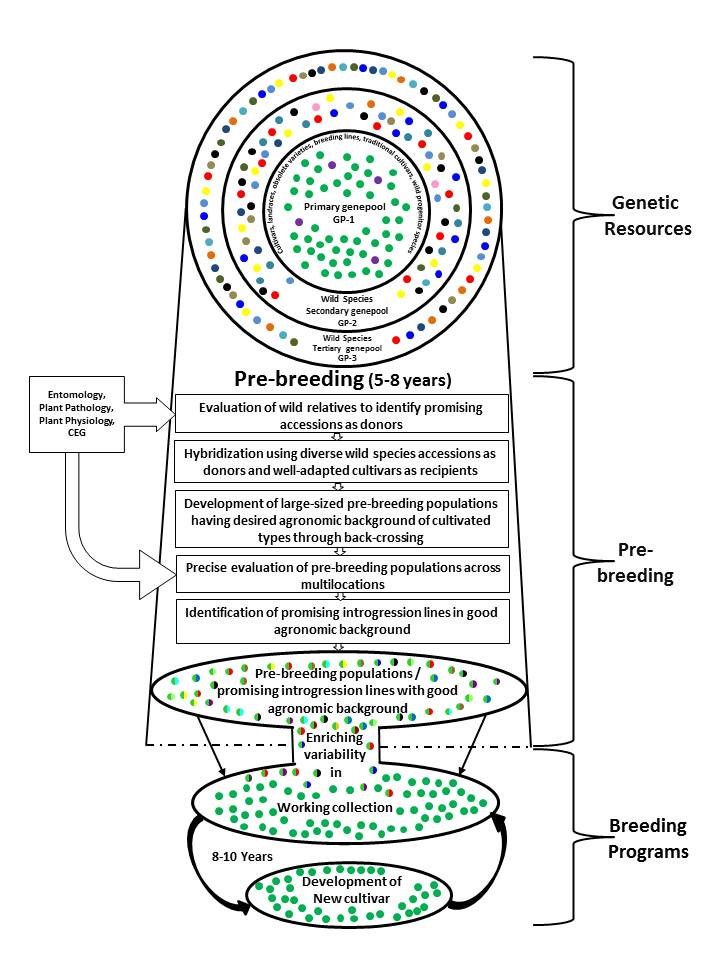 There’s a great blog post up on the ICRISAT website from its new Director General, Dr David Bergvinson. It basically says, though not in so many words, that the centre’s germplasm collections are the foundation of all its crop improvement work. Which is nicely illustrated by this diagram (click to embiggen), from Dr Shivali Sharma, who’s a senior scientist in the genebank. You can see more photos of her (and others’) wide crossing and pre-breeding work at ICRISAT on the Flickr album I put together after my visit there a couple of years back.
Dr Bergvinson closes his post by pointing to ICRISAT’s 100 Voices video series, the first instalment of which is on genomics as a tool to make even better use of genebank collections.
Tweeting up a storm in Minneapolis and Pullman
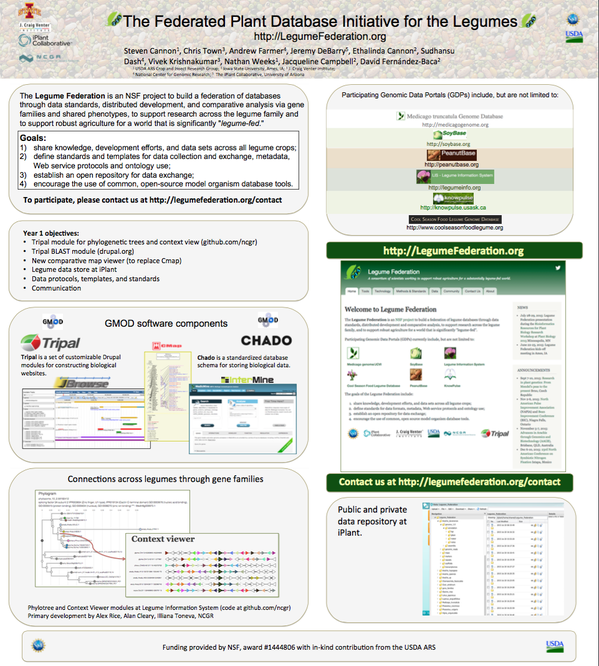
What did we do before Twitter? Had a life, probably. But also, it was undeniably more difficult to keep up to date with stuff. Absent heroic tweeps in Minneapolis, I would not have been able to follow Plant Biology 2015 quite so assiduously, and thus find out about, among many other things, the Legume Federation. Or indeed see their poster.
Likewise the annual meeting of the National Association of Plant Breeders would have slipped me by. And I would have missed this photo of two plant breeding legends.
#NAPB2015. Two giants of wheat breeding whose shoulders we all stand on. Bob Allen and Cal Qualset–great people!! pic.twitter.com/po6PPvmW5b
— UNL Small Grains Breeding- Frels Lab (@Huskerwheat) July 28, 2015