- Large-scale microsatellite development in grasspea (Lathyrus sativus L.), an orphan legume of the arid areas. Let the Grasspea Revolution begin.
- High resolution map of eggplant (Solanum melongena) reveals extensive chromosome rearrangement in domesticated members of the Solanaceae. Let the Eggplant Revolution begin.
- Genetic variability in snakegourd (Tricosanthes cucurminata). The Hybrid Snakegourd Revolution is one I’d really like to see.
- Differentially Expressed Genes during Flowering and Grain Filling in Common Bean (Phaseolus vulgaris) Grown under Drought Stress Conditions. We know the drought resistance genes.
- Chloroplast DNA-based genetic diversity and phylogeography of Pyrus betulaefolia (Rosaceae) in Northern China. 3 particularly diverse populations, probably refugia, plus 3 others, identified for conservation.
- Genetic Characterization of the Cacao Cultivar CCN 51: Its Impact and Significance on Global Cacao Improvement and Production. It’s high yielding, resistant to lots of stuff, variable, and an important breeding resource. But it tastes like shit.
- Genotyping of Sicilian grapevine germplasm resources (V. vinifera L.) and their relationships with Sangiovese. Wait, Sangiovese was originally from Sicily?
- Allanblackia, butterflies and cardamom: sustaining livelihoods alongside biodiversity conservation on the forest–agroforestry interface in the East Usambara Mountains, Tanzania. My money is on the butterflies.
- Influence of Ethnolinguistic Diversity on the Sorghum Genetic Patterns in Subsistence Farming Systems in Eastern Kenya. Pattern of sorghum diversity correlates with language groups, not morphology. Improved varieties get given local names and slowly merge with landraces.
- Genetic analysis and molecular characterization of Chinese sesame (Sesamum indicum L.) cultivars using Insertion-Deletion (InDel) and Simple Sequence Repeat (SSR) markers. Improved varieties have narrower genetic base than landraces. Move along there, nothing to see here.
- Innovation of the New Superior Quality Foxtail Millet [Setaria italica (L.) P.Beauv] Variety-Jigu32 with Characteristics of Stress Resistance, Stable and High Yield and Its Physiological Mechanism. This looks like a really dodgy journal. Apologies to them if they’re not, but those ads at the bottom are weird. Anyway, this paper seems to describe the canonical genebank success story: assemble a diverse germplasm collection, evaluate the hell out of it, pick the best, fiddle with them, evaluate the hell out of the results, end up with something better than you started with. Maybe those sesame breeders could learn something…
For the well-being of one and all on the planet Earth
The four largest national collections in the world are located in the USA, Russia, India and China. The National Plant Germplasm System (NPGS) in the USA and the N.I. Vavilov All-Russian Scientific Research Institute of Plant Industry (VIR) in Russia are both in the process of backing-up their collections at Svalbard, while the National Bureau of Plant Genetic Resources (NBPGR) in India has signed the SDA, but has not yet started safety duplication. The Institute of Crop Germplasm Resources (ICGR-CAAS) in China is not participating so far. Out of the five other national institutions with more than 100,000 accessions in storage, the national genebank in Japan is not currently a depositor, whereas the national genebanks in Brazil, Canada, Germany and the Republic of Korea have all deposited seeds at Svalbard. The most significant origin country gap is India… However, safety duplication of the Indian collections is expected in the future…
That’s from a recent PLOS paper “Global Ex-Situ Crop Diversity Conservation and the Svalbard Global Seed Vault: Assessing the Current Status.” And it’s out of date, because the future is now. Though it may be a small step, it’s a significant step, and the message on the box, from which we take our title, says it all.
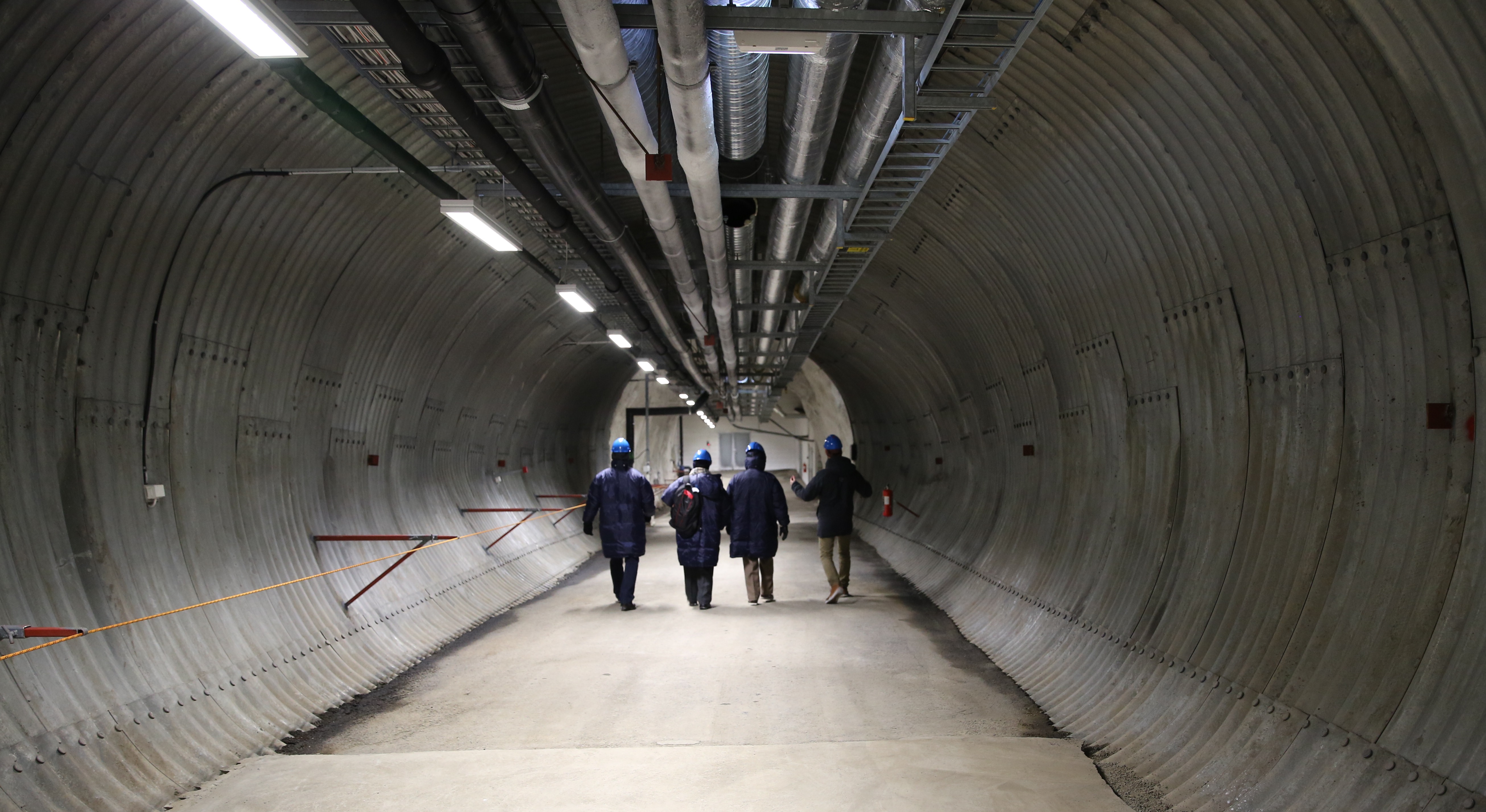
Embrapa’s new genebank illustrated
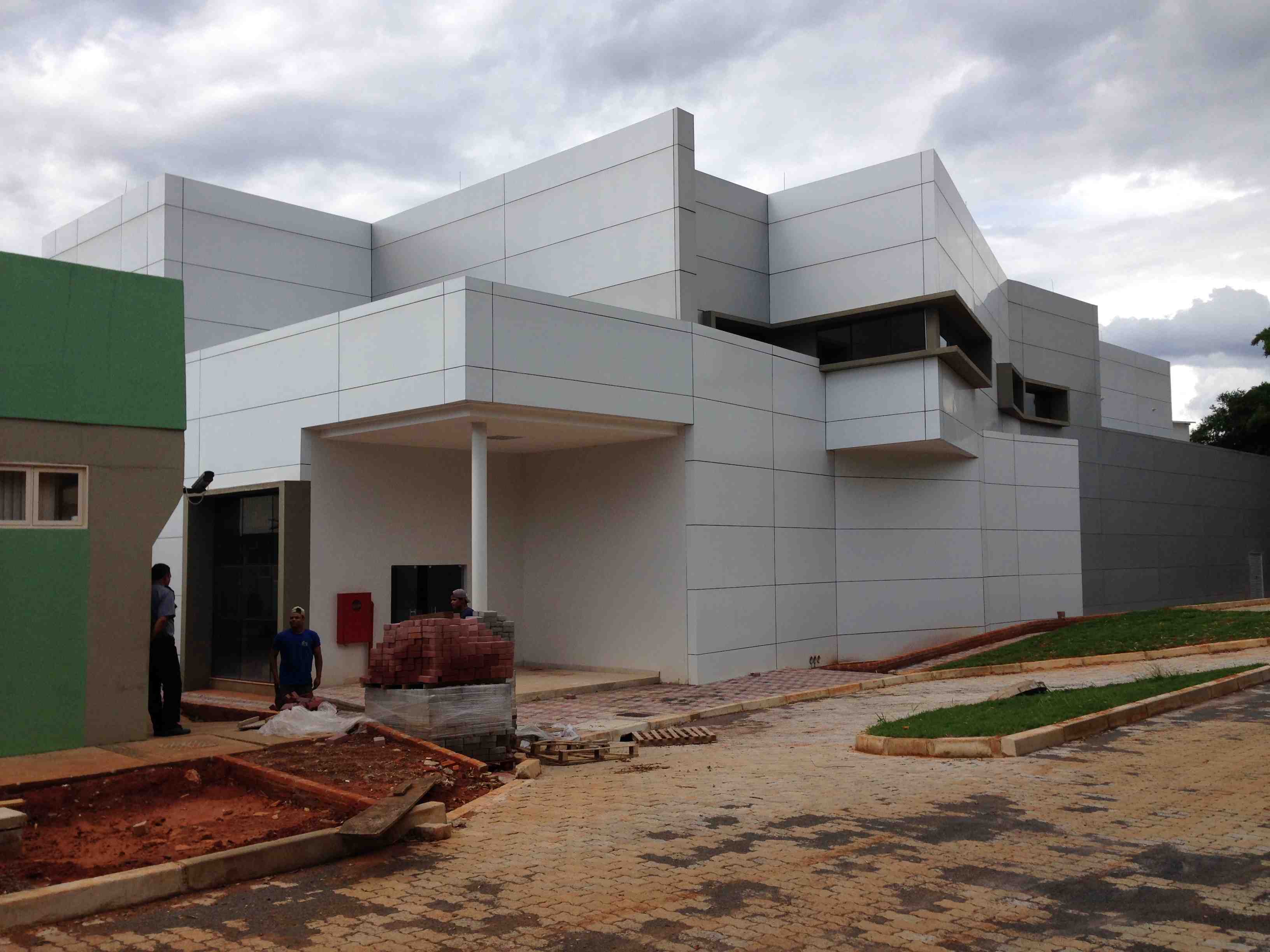
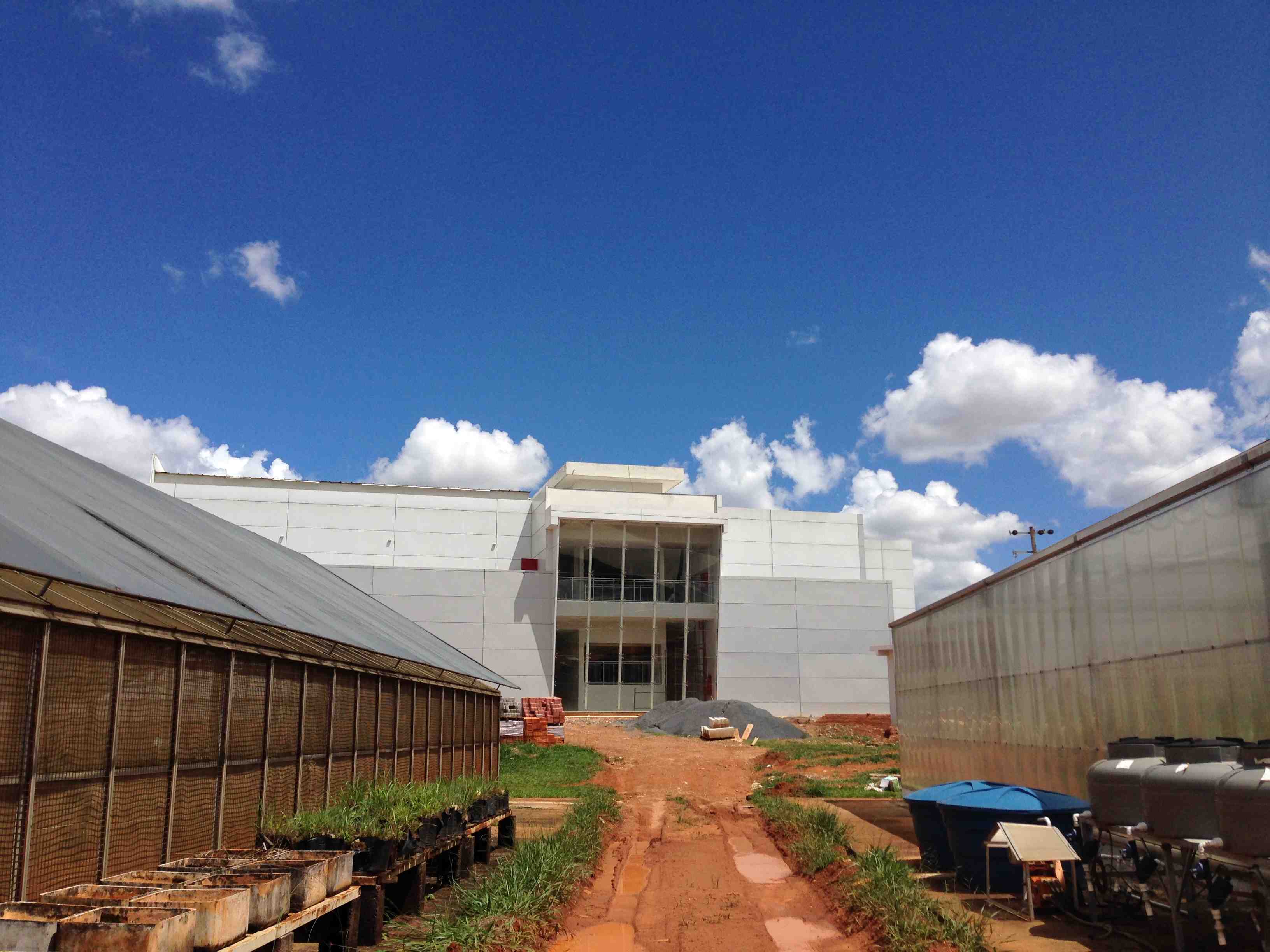
If we missed reporting the opening of Embrapa’s new genebank, 1 it’s because the news seems only to have come out in the Brazilian press.
A modern building of over two thousand square feet, divided into two floors, will house one of the largest collections of genetic resources and is the third largest facility in the world in terms of storage capacity. Opened on the morning of April 24, the new genebank started the celebrations of 41 years of Embrapa.
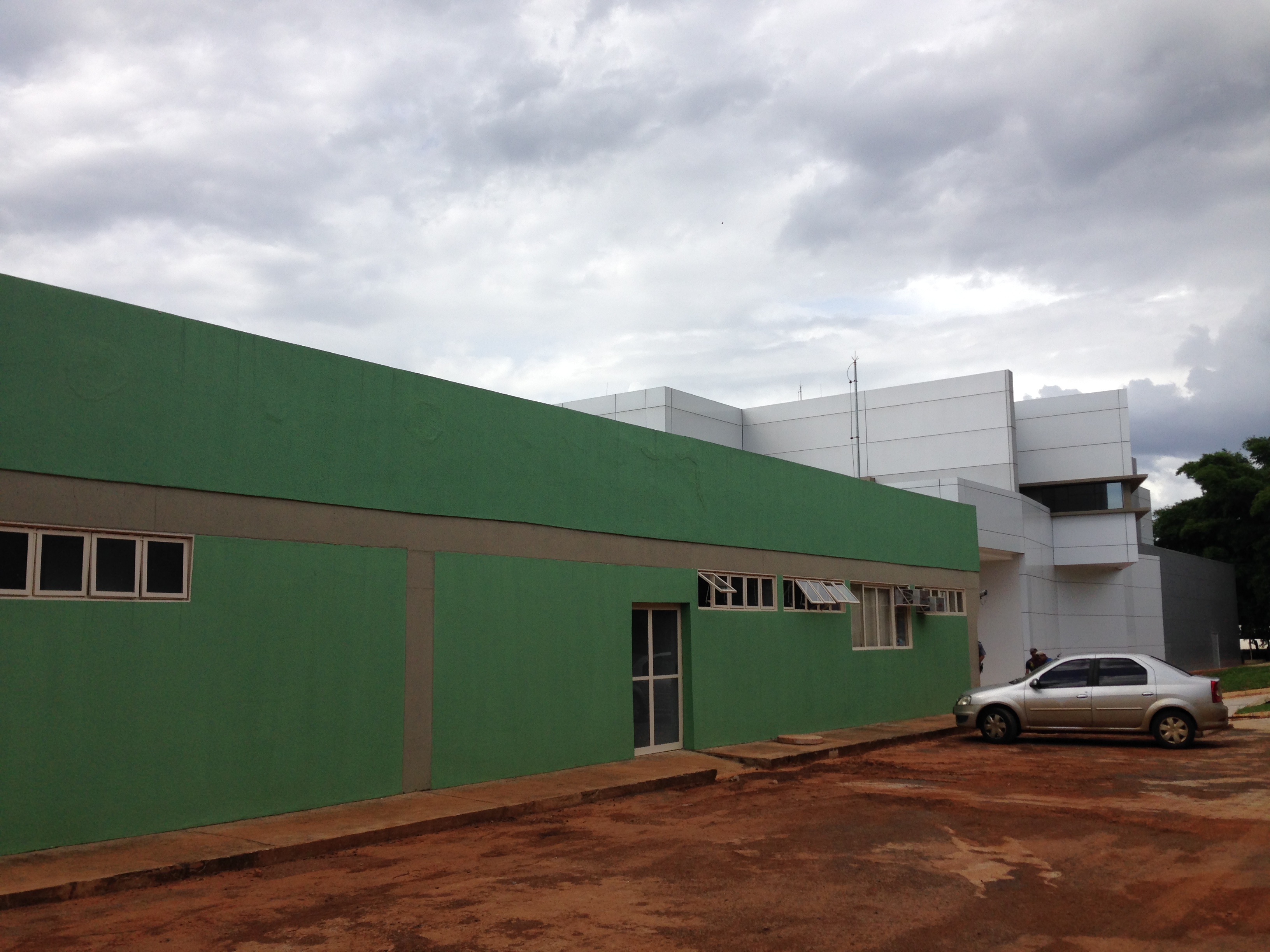
If you search around, you’ll find various photos of the interior of the new building, but I could not find a single one of the outside. So here goes. It was taken a couple of months ago. I expect it’s all tidied up now.
For completeness, the green building in this last shot is the old genebank, which is next door to the new one.
Nibbles: Extreme aquaculture, GMO ver. 2.0, Wheat genebank, Infrared coffee spectroscopy, Farmer photos, Land grab, Reindeer herder photos, Mapping blight, Food security software, Fragaria moschata
- Farming cobia off Panama. Look it up.
- Gene editing is the future. But is it GM?
- More on the CIMMYT genebank from the Australian press. Get a room already.
- Fancy machine can tell fancy Yemeni coffee from lesser stuff. No, not DNA. Producers of lesser stuff unavailable for comment.
- Some of them may end up being photographed by National Geographic though.
- Before being forced off their land.
- Different sort of land grab in the Gran Chaco. Pity those poor wild Arachis. And here’s a meta-analysis of the drivers of the problem.
- Feeling left out, herders get fancy photos too.
- “The data indicates a broad distribution of this clone from Spain to Russia and Scotland to Cypress.” Good grief. Potato blight, if you’re still interested.
- From household survey data to food security assessment: The software.
- The bubbleberry is increasingly a thing.
South Pacific genebank overture
Can’t resist posting this video from my old colleagues at SPC. It ends a bit abruptly, but Centre for Pacific Crops and Trees, and a nice overview of its work.
LATER: This is the full version of the video, without that weird abrupt ending. Some problem with the uploading, apparently.