- Pearl millet is getting the hybrid treatment. And, loving it.
- Want to know what to grow in your garden? Yes, even pearl millet.
- Nice pics of Armenian landscapes, food and foodways. No pearl millet in sight.
- The latest monthly newsletter from The Botanist in the Kitchen does seeds. Pearl millet unavailable for comment.
- China is genotyping and phenotyping (almost) everything. Pearl millet feeling left out.
- If pearl millet fails, there is always pastoralism. No, wait…
Gaps galore in collards collections
Quick follow-up to my post a few days ago on the recent study of the origin of the collard greens grown in the Moroccan oases of the Draa and Ziz valleys.
Ethnobotanists Bronwen Powell and Abderrahim Ouarghidi used historical texts, linguistics, and Indigenous knowledge in their investigation, but of course it’s also possible to use genetics to figure out where the plants may have came from. Especially as there are plenty of accessions labelled Brassica oleracea var. acephala in the genebanks that share their data on Genesys — just over 1500 in fact.
Alas, that might in practice turn out to be tricky, though, due to the somewhat — ahem — skewed geographic distribution of the accessions in question. The yellow circles in the map below show the approximate locations of those oases on the edge of the Sahara.
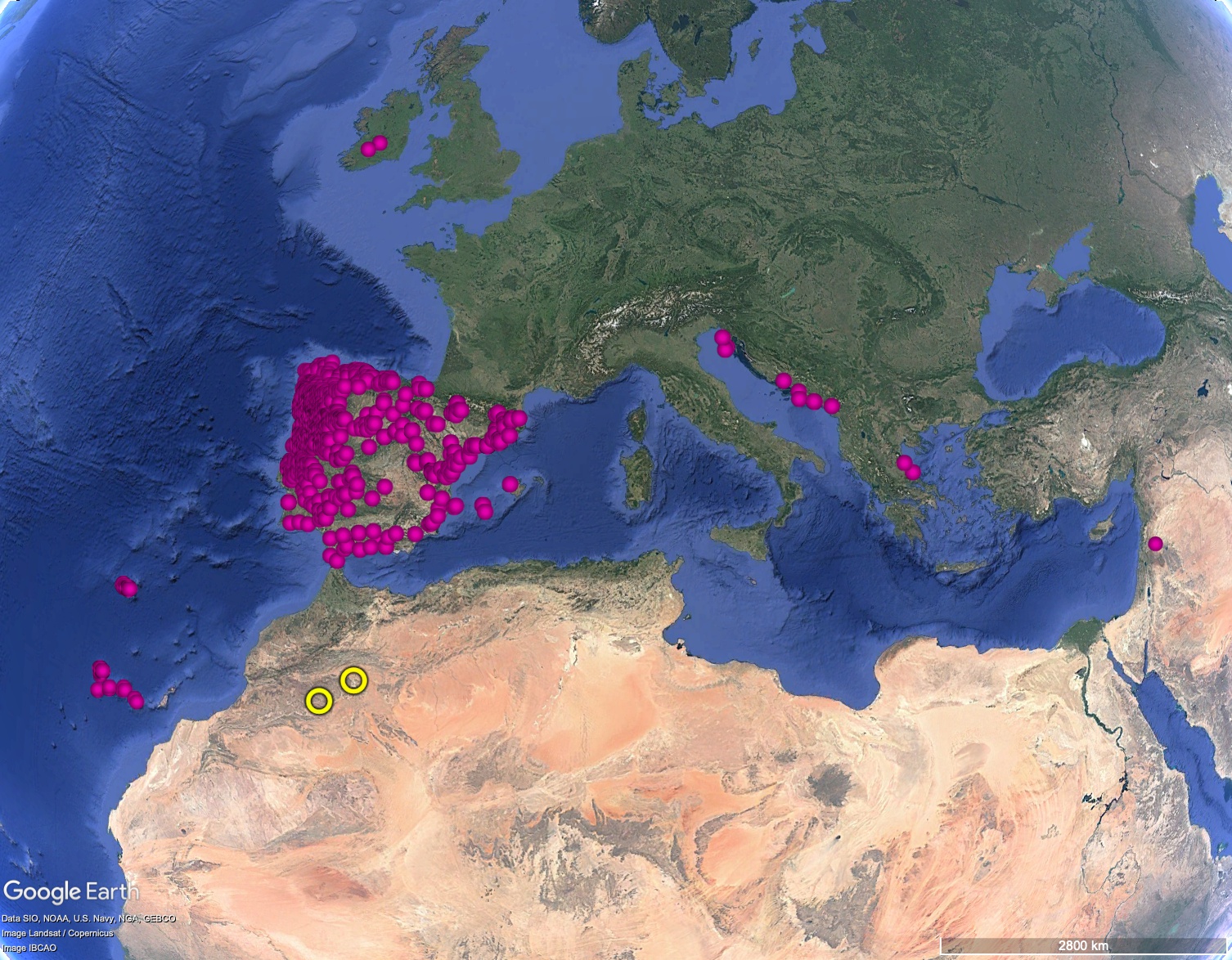
Still worth trying, in my view, but really more than anything this should be an encouragement to do some more collecting. Or get more genebanks on Genesys. Or identify more B. oleracea accessions to variety level. Or…
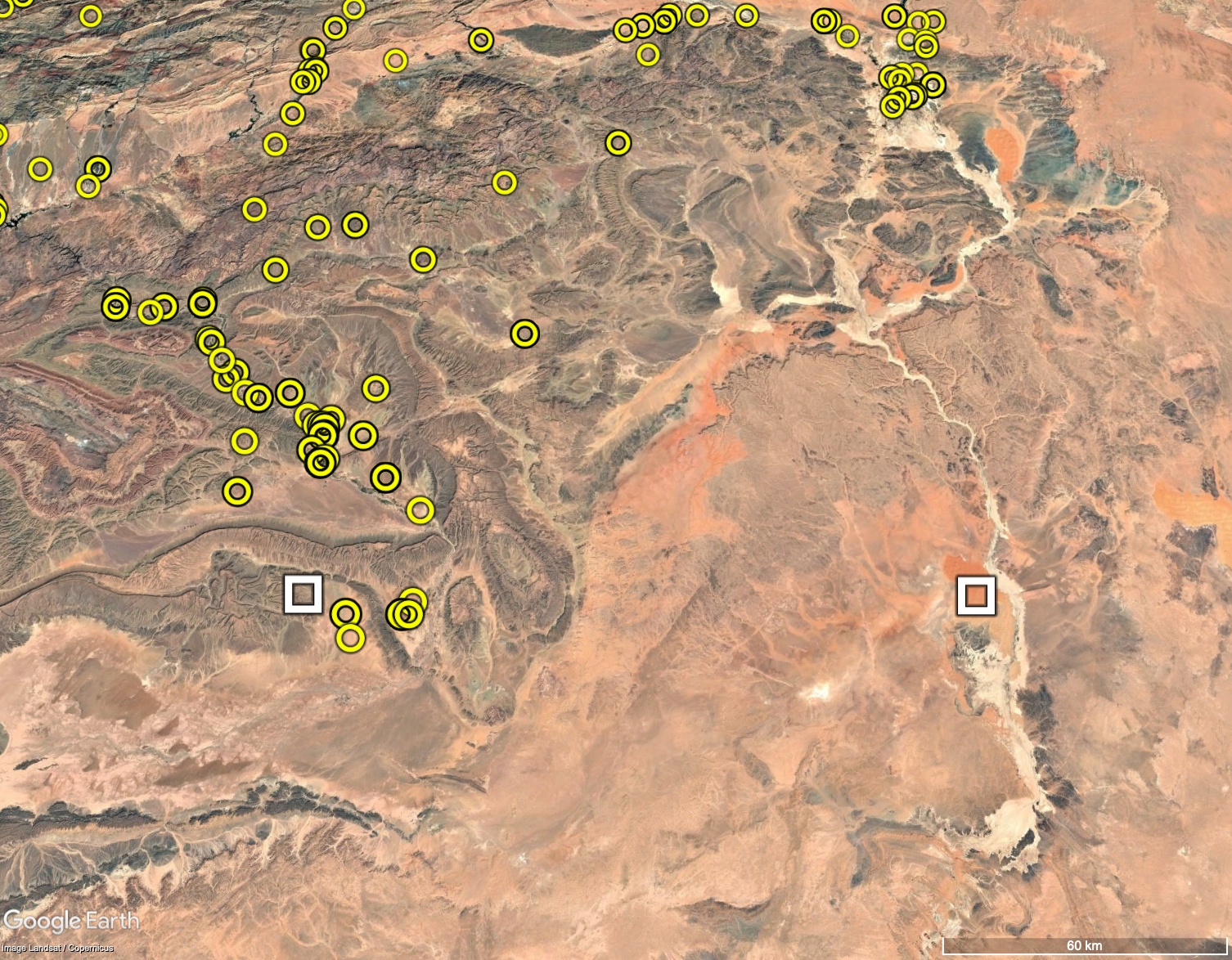
What else has been collected in the Draa and Ziz valleys or thereabouts? Surprisingly little, mainly wheat, barley, chickpea, faba bean and alfalfa. The general location of the valleys is now shown by white squares.
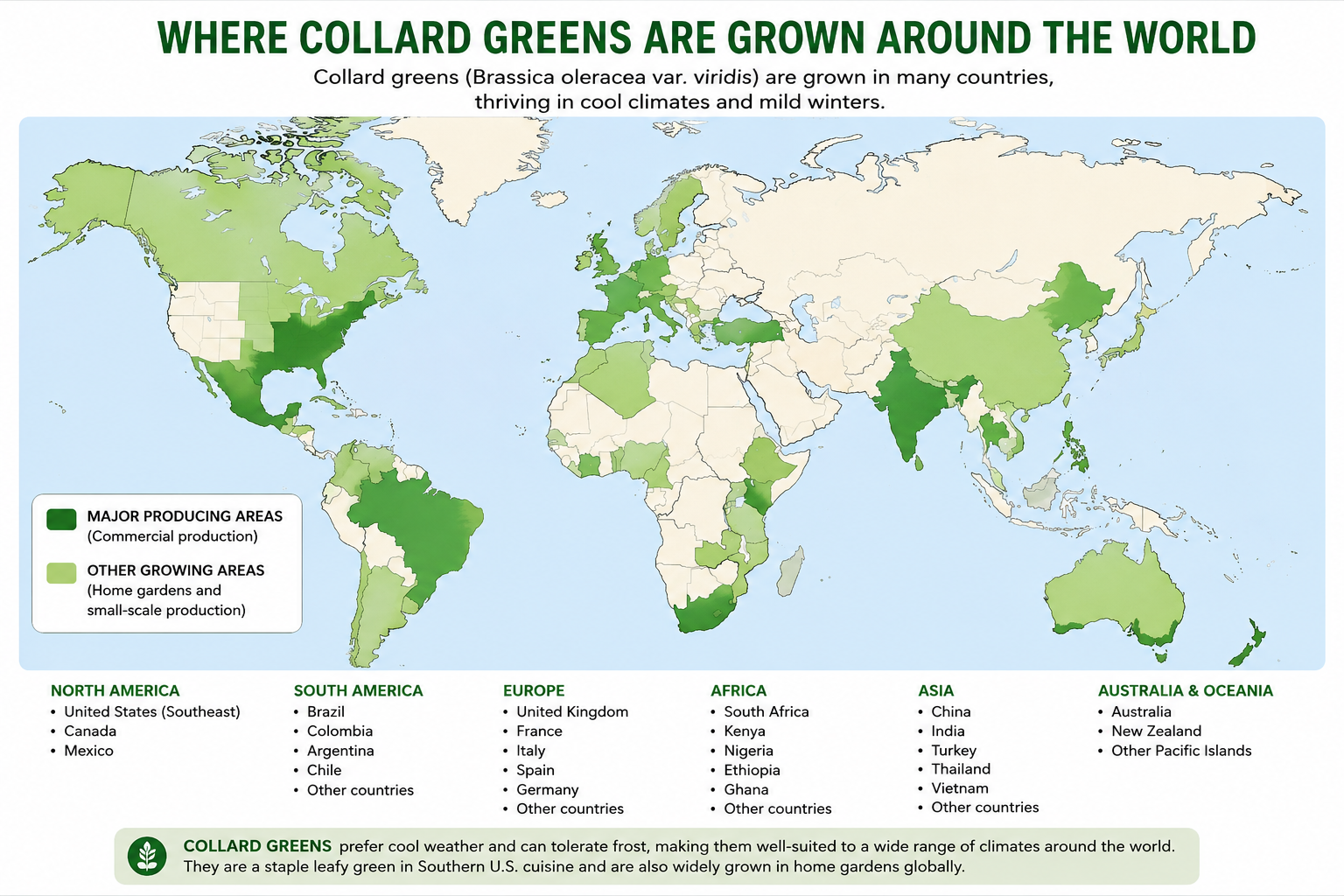
Incidentally, the. map below is where ChatGPT thinks collards are grown around he world. I really have no idea how accurate it is. I hope someone will tell us.
Rare today, relevant tomorrow: new lessons from a really old barley experiment
I was vaguely aware of the Composite Cross II (CCII) long-term experiment with barley, not least because of a Brainfood entry a couple of years ago. But I didn’t know a whole lot about it, so when a link to a recent thesis by Jill Marzolino at UC Riverside referencing it popped up in my feeds, I decided to look into it a bit more.
Harry Harlan and Mary Martini set up the experiment way back in 1929, in an effort to come up with barley varieties better adapted to the Californian environment. They started out with 28 diverse barley varieties from all over the world, made all possible crosses among them (though in only one direction), bulked together all the seeds they got, and planted a random sample of the mixture at Davis, California. The next year, they harvested the resulting crop, and sowed a sample of the seeds they obtained again in the same place.
And so on, for decades. Researchers following in the footsteps of Harlan and Martini planted 5,000-20,000 seeds year after year and left them to it, for 58 generations, saving a sample of the harvest along the way. This is called a composite cross population, or sometimes a composite hybrid mixture. When used in crop improvement, the process is sometimes referred to as evolutionary plant breeding, and has been proposed as a useful strategy for adapting crops to climate change.
Anyway, in the days of DNA sequencing, you can also see how CCII is an incredible resource for just trying to figure out how — and how fast — evolution works.
The paper I referenced in Brainfood in 2024 did just that. In Natural selection drives emergent genetic homogeneity in a century-scale experiment with barley, the authors showed that natural selection pretty quickly and drastically narrowed the genetic diversity of the original diverse population, affecting especially genes regulating the timing of flowering and reproduction. That basically allowed the plants to avoid drought. Yield also doubled, though that was less than plant breeders were able to achieve over the same period.
The thesis that caught my eye today is entitled Uncovering the Genetic Basis of Local Adaptation With Long-Term Evolution Experiments in Barley, and comes from the same lab. Dr Marzolino also looked at flowering time, but the chapter that really struck me was the one on “genetic rescue.” She found that when she planted the CCII at a different site, in Bozeman, some genetic variants that had been incredibly rare at Davis suddenly exploded in frequency. In her words:
This result indicates that very rare maladapted types persist in the CCII. It is not clear how they are maintained, but perhaps fluctuating environmental conditions from year to year alter the fitness of these types enough for them to persist… It remains unclear how long these rare types can be maintained in a population. Maintenance of rare types could be critical for the longer term survival of many plant species in a changing world.
Something for genebank managers to ponder. The normal practice is to regenerate genebank accessions under environmental conditions which are as close to ideal for the particular germplasm in question as possible, in order to ensure a good harvest of high quality seeds. But this result suggests it might actually be worth considering occasionally subjecting sub-samples to a few regeneration cycles in a contrasting environment. Might that not rescue some interesting — not to mention useful — genes?
Brainfood: Clonal crops edition
- Ancient DNA reveals 4000 years of grapevine diversity, viticulture and clonal propagation in France. Vegetative propagation of grapevines has been going on since the Iron Age.
- High-throughput olive germplasm classification using morphological phenotyping and machine learning. Olive may be generally vegetatively propagated, but you still have to characterize the fruits.
- Varietal Diversity Analysis of Date Palm and Identification of High Agro-Economic Genotypes in Middle Draa. About half of of the date palms in the middle Draa of Morocco are actually from seed. That makes their diversity difficult to conserve.
- Genebank tools for efficient management of viral infections in tropical clonal crops. All those clonal crops need to be kept clean in genebanks. Here’s how.
- Genome degradation in plant tissue culture. All those clonal crops also need to be kept genetically stable in genebanks, and it can be tricky.
Brainfood: Animal diversity edition
- Livestock grazing boosts plant diversity in the Greater Serengeti–Mara Ecosystem. Livestock can be good for biodiversity conservation. But can its diversity be conserved too? Let’s see.
- Conservation and Management of Animal Genetic Resources in the Context of African Livestock Production Systems: The Case for In Situ and Ex Situ Conservation. “The multi-stakeholder breeders-researchers-decision-makers approach remains the most robust solution for sound management and preservation of biological units.” What, no farmers and local communities? No, that’s unfair: community-based conservation is discussed. But it doesn’t feel as central to the whole thing as it should be, somehow.
- Genetic Diversity, Adaptation, Wild Introgression, and Coat Color Mutation of Golden Yak. After all, local communities have maintained the golden yak reasonably well.
- Caprine dairy exploitation on the Iranian Plateau from the seventh millennium BC. Not to mention goats in Iran, and for thousands of years…
- Old goats: 3,000 years of genetic connectivity of the domestic goat in Ireland. …and in Ireland, though for not quite as long, admittedly.
- Dogs were widely distributed across western Eurasia during the Palaeolithic. And local communities have been managing dog populations since way before farming even.
- The dispersal of domestic cats from North Africa to Europe around 2000 years ago. Also, local communities managed early cats separately in the Levant and Egypt. Much later than dogs, but that’s cats for you.
- A microbiome catalog of Chinese traditional artisanal cheeses provides insights into functional and microbial diversity. And don’t forget to conserve the associated microbiome too. I wonder what golden yak cheese is like.