- USDA vegetable crop curator tells it like it is.
- $5 million to find more Striga resistance genes in sorghum.
- Wild potato herbarium specimens find good home.
- How two New World strawberries got together in the Old World and then spread all over the world.
- Hallucinogenic honey: what could possibly go wrong?
- First farmers gave a fig.
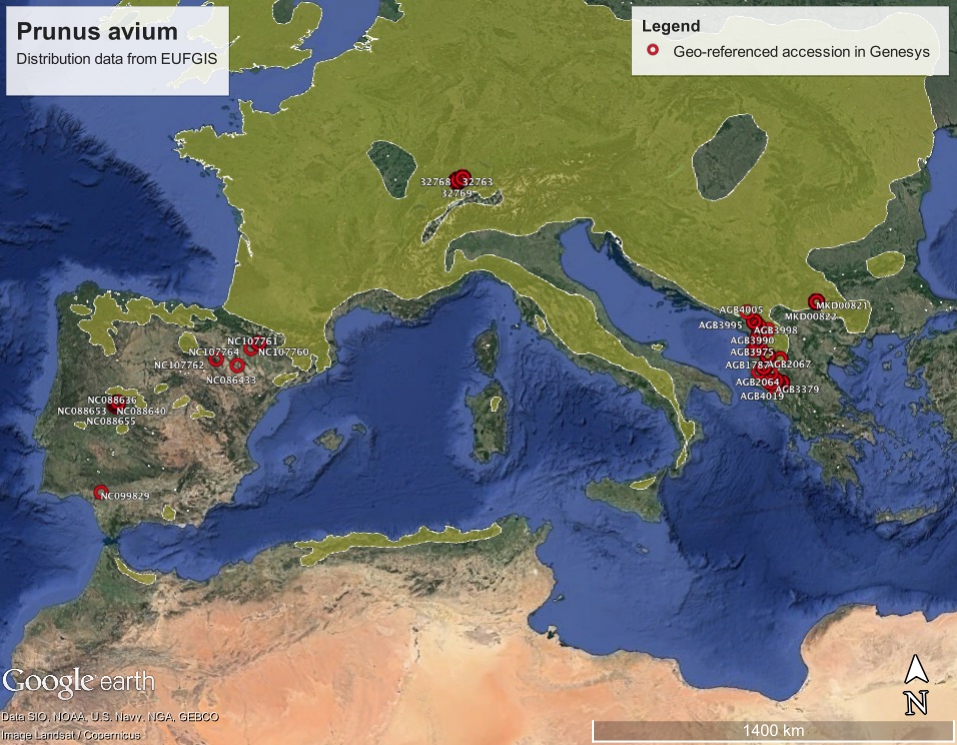
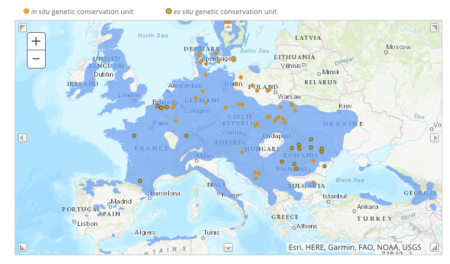
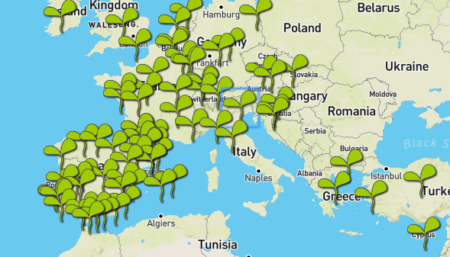
- The other of all agrobiodiversity map mashups.
- Cool school project on crop diversity in Europe.
- In other news, “Columbusing” is a thing.
- Private sector investment in conservation: Turning “small and new” into “big and familiar.”
New livestock diversity information system is here, almost
With about 20% of the world’s local farm animal breeds currently at risk of extinction, urgent action is needed to safeguard livestock diversity. This event will showcase the launch of an updated FAO tool, called the Domestic Animal Diversity Information System, or DAD-IS, that countries can use to monitor animal genetic resources that are important for food and agriculture. Containing information on 8,800 breeds of livestock and poultry across the world, the new DAD-IS platform can be used to measure SDG progress, create attractive graphics and tables for internal reporting purposes or export data for scientific analysis.
Sounds great, and you can see all the details on the recent webcast from FAO. But it’s still the old version that’s online, damn it. So when are we going to see (or hear) all the new bells and whistles? Well, as it happens, a member of the audience asked that very same question, and the answer is about 1:29 hours (sic) in: Monday, 27 November. How am I going to get through the weekend? Stay tuned for the results of my road test.
Malagasy yams win internet
Dioscorea bako (EN, IUCN) #OviGasy the most yam apprecieted by Menabe #Madagascar people and cultivated and conserved through the KMCC project @TeamKMCC pic.twitter.com/kmCRruuXlK
— Mamy Tiana Rajaonah (@RajaonahMamy) November 10, 2017
Seeing this amazing yam on Twitter reminded me that it’s about time I gave a shout-out to the project “Conserving Madagascar’s yams through cultivation for livelihoods and food security,” being coordinated by Kew with funding from the Darwin Initiative. It’s really active on Twitter, as you can see, but has also been churning out scientific publications. What I can’t quite figure out is whether there’s a formal ex situ conservation component, and perhaps even some linkages to breeders of cultivated yams.
LATER: The best way to follow the exploits of the yam team in Madagascar is to use the hashtags #AprilTrust and #OviGasy.
Nibbles: Halloween roots, Fred’s great potatoes, Ellis on TV, CIP genebank online, Weird potato, Weird watermelon, Paul Gepts, Caucasian sheep, Livestock hybrids, COP23
- Halloween is an agricultural thing. Basically.
- Frederick the Great had a thing for potatoes. Among other things.
- CIP genebank manager on TV. He has a thing for potatoes too. As you can tell from his new website.
- Pop quiz: Can you find this N American potato in the CIP genebank?
- The extraordinary story of the ancient Native American crookneck watermelon. Bet it goes well with S. jamesii.
- Paul Gepts gets award. No word on his thoughts on potatoes, but he does like beans.
- Transhumance lives in the Caucasus.
- What in tarnation is a zubron?
- Making the case for climate action on agriculture at COP23. And vice versa.
Brainfood: Rice introgression, African rice cores, Cereal domestication rates, Power vegetables, Biodiversity services, Afrikaner cattle diversity, Conservation funding
- Introgression from cultivated rice alters genetic structures of wild relative populations: implications for in situ conservation. Not totally wild any more.
- Genetic Variation and Population Structure of Oryza glaberrima and Development of a Mini-Core Collection Using DArTseq. 2,179 accessions, 5 geographic groups, 16% recover >95% of polymorphisms.
- Geographic mosaics and changing rates of cereal domestication. Applying fancy maths to archaeobotanical remains shows that selection pressures varied in time, and started slow.
- Tapping the economic and nutritional power of vegetables. Eat your veggies, damn it!
- To what extent can ecosystem services motivate protecting biodiversity? Not enough.
- Genetic diversity of Afrikaner cattle in southern Africa. 3 groups, but not geographically determined, and lots of diversity despite recent declines in numbers.
- Nominal 30-m Cropland Extent Map of Continental Africa by Integrating Pixel-Based and Object-Based Algorithms Using Sentinel-2 and Landsat-8 Data on Google Earth Engine. Next level. But when will be be able to distinguish crops?
- Reductions in global biodiversity loss predicted from conservation spending. But the impact of spending goes down with with increasing development pressure.