- Why they blog. At the Agriculture and Ecosystems Blog Agriculture and Ecosystems Blog that is. Can’t help thinking that the media should perhaps be alerted.
- Scholarships available at the Crops for the Future Research Centre.
- Yes, ok EurekAlert!, we get it , insects are really important to plant diversity.
- Yes, ok policy wonks, we get it, it’s really useful to see plant genetic resources as global commons.
- More tree cover means more diverse diet in Africa.
- Thyme, gentlemen, please.
- FAO Commission on Genetic Resources for Food and Agriculture Ad Hoc Technical Working Group on Access and Benefit-sharing for Genetic Resources for Food and Agriculture debates, well, access and benefit-sharing for genetic resources for food and agriculture. In Svalbard, of all places.
Analytical tools described
Recognising the need for a citable description of new methods and techniques in ecology and evolution, our Application papers describe new software, equipment, or other practical tools, with the intention of promoting and maximising the uptake of these new approaches.
So says Methods in Ecology and Evolution. And some of the methods and tools are going to be useful in the study of agricultural biodiversity too. Take, for example
Simapse — Simulation Maps for Ecological Niche Modelling, a free and opensource application written in Python and available to the most common platforms. It uses Artificial Neural Newtowrks (ANNs) with back-propagation to build spatially explicit distribution models from species data (presence ⁄ absence, presence-only and abundance).
See what I mean?
Free Borlaug book if you hurry
We have heard, almost too late but not quite, that
Noel Vietmeyer, author of ‘Our Daily Bread: The Essential Norman Borlaug’, is generously offering his book for free during this week through Amazon.com. The hardcover version costs $27, but through October 5 he is making the e-book version available for free.
Hurry, hurry.
Know your apples
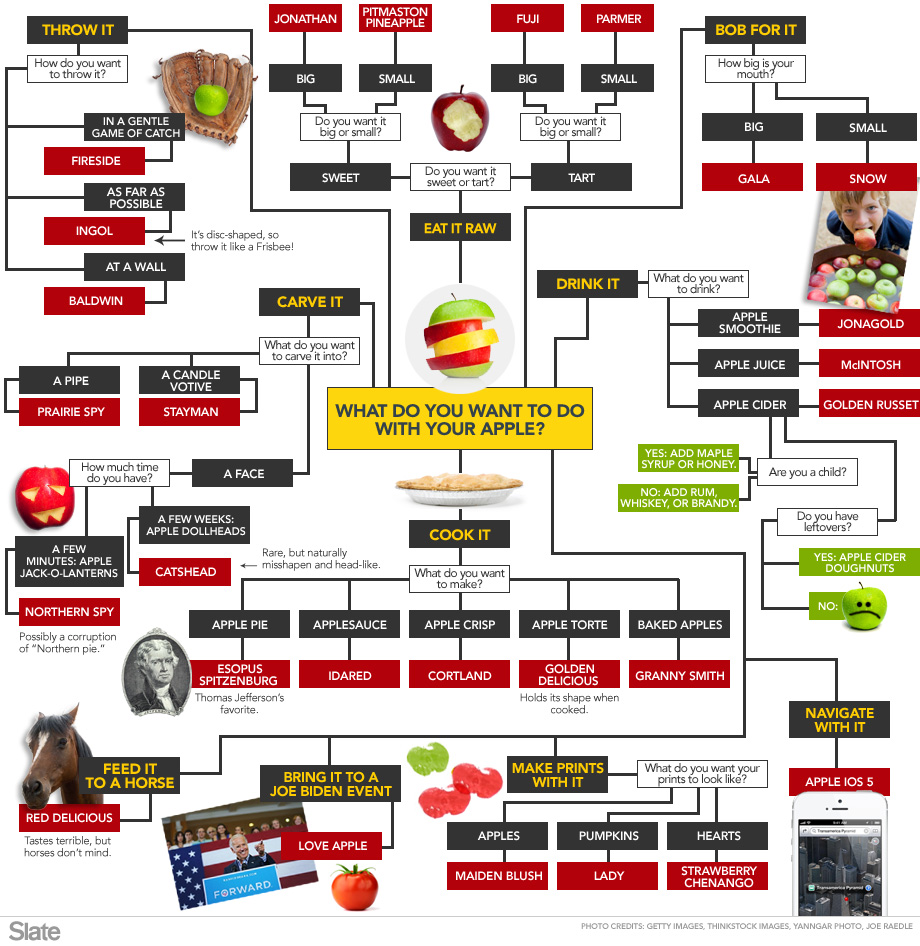
You know that horrible feeling when you realize you’ve used the wrong apple variety? Well, you need never have it again, not with this handy new flowchart from Slate.
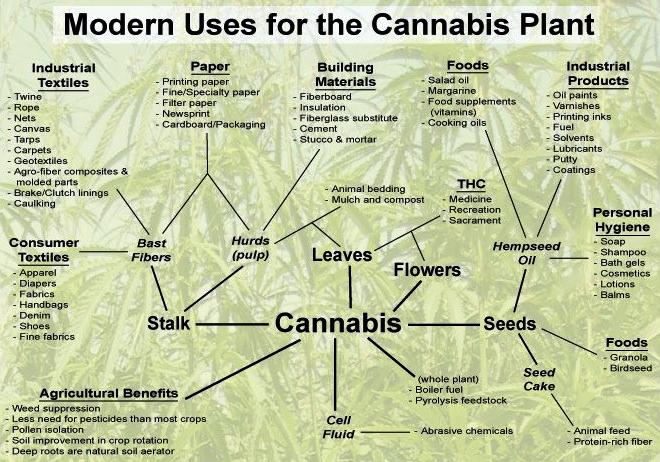
Now, if they could only do something similar for another important multi-purpose crop…