- High-level agricultural scientists thinks high agricultural science will feed the world. Oh, and smart policies.
- This new rice would qualify, I suspect.
- Participatory varietal selection manual revised to take women into account. Someone mention high science?
- No such manual needed in India, it seems.
- The banana-is-doomed story sure has legs. Or hands.
- What did the Inkas ever do for us?
- Is agriculture diverse enough? That is the question.
- Yerba mate gets sequenced. Because it can be.
- Following an Indian cucumber down the value chain.
- Thank your lucky stars for this weedy-looking tomato wild relative.
- “We’re interested in the color, shape and sizes of the vegetables from 400 years ago, compared to modern cultivars of the same vegetables: the deep sutures on cantaloupe in Italian art of the Renaissance or the lack of pigmentation in pictures of watermelon compared to today.”
- Quite a bit of agrobiodiversity featured in Day of Archaeology. Nice idea.
Nibbles: Oz vineyard apocalypse, California vineyards redux, Ethiopian genebank, Maya collapse revisionism, SunBlack tomato, Nutritious staples, Citrus endowment, Sheep pix
- In Australia, they’re ripping up vineyards.
- Whereas in California, they’re going to breed 10,000 new grape varieties and make a new wine. Go figure.
- Interview with the director of the Ethiopian national genebank, Dr Gemedo Dalle.
- Deforestation et al. not responsible for Maya collapse after all. Jared Diamond unavailable for comment.
- Black tomato a hit in Italy. Looks crap on pizza though.
- The case for biofortification.
- University of Florida sets up endowment to protect its research groves in face of citrus greening.
- Googlesheepview. Nuff said.
Bioversity photo competition down to last day
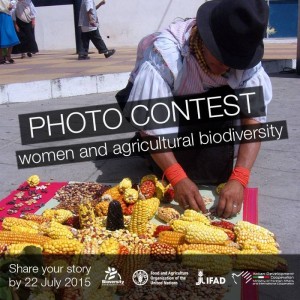 I may have already mentioned that Bioversity are running a photo competition and that I want to win it. So by all means send in your pic, before it’s too late. But then vote for mine.
Nibbles: Coffee crop to cup, Pig love/hate, School lunches, Arctic life pix, Rubber sole, Ethiopian genebank
- Making a cup of “coffee.” Well, it is for Dunkin’ Donuts.
- Pigs: yum or yuch?
- FAO wants to know about how to teach healthy living in schools.
- You’d have thought it difficult to have a healthy life in the Arctic, but people manage it.
- Our rubber supply is in jeopardy. The raw material, not the product.
- Ethiopian genebank in the development news.
Nibbles: Fertile Crescent, Hawaii taro, Purple spud, Caribbean yams, UNESCO wine & rice, VIR rye, Diverse barley
- Video of Robin Allaby on that find of underwater Mesolithic wheat DNA off England. Well, that’s just the intro. Most of the rest is about the movement of flax north through Europe.
- There’s a great Facebook group on the taros (or kalos) of Hawaii.
- Weird coloured potato could be a hit Down Under.
- New yams for Guadeloupe. No news on their colour.
- Nice scenery and wine. Sign me up.
- Also on the UNESCO heritage list: China’s rice terraces.
- The Russian rye is coming! The Russian rye is coming!
- Learn about the Oregon Wolfe Barley population. Thanks to Trust Me, I Am a Seed “Scientist”, another Facebook group worth following.