- Cuba recognizes traditional medicine.
- Your grandma’s cooking was not that great.
- Using genetics to guide teak restoration.
- Botany dying in the US.
- Brazil sets up lots of community seedbanks.
- Aren’t seeds just great?
- The 1000 beer genomes project is as great as it sounds.
- Palestinians freekeh out.
- Interview with Cary Fowler: about Svalbard, and much more.
- Mama boga in trouble. Bastards.
- Nature calls for crop improvement.
Nibbles: Lovely bunch of coconuts, Svalbard backlash backlash, ADAPTS, British food history, Artisanal backlash, NASA maps soils, Rock bee art
- Kinda random SciDevNet piece about threats to coconut germplasm collections in Asia which doesn’t even mention Bogia. Star of the piece is the Philippines collection, which nobody suggests is threatened.
- Speaking of threatened collections, Mike Jackson rounds up comments on the recent Guardian piece on Svalbard.
- Native Seed/SEARCH gets a new interface.
- How the war changed British agriculture. Fish and chips has always been there though, right?
- The farm-to-table backlash begins. And more along the same lines: “eating natural and artisanal is ahistorical.”
- Mapping soil moisture from space.
- Rocking African bee art.
Nibbles: CIAT genebank, Kew impacts, Zambian poachers, Sustainable cows, CO2 fertilization, Trees on the radio, Prosecco shortage, Chamomile
- CIAT 2014 annual report highlights role of genebank in its impact pathways.
- Kew post for International Day for Biological Diversity does something similar.
- Zambian poachers beat swords into ploughshares, plant peanuts.
- Turns out meat is not murder.
- Higher carbon dioxide can’t make up for other stuff.
- Great BBC Radio 4 series on The Meaning of Trees.
- Saving the Jesuit pear tree. Maybe they should put this on the radio.
- I’m not sure it would be so bad if prosecco ran out.
- Because the genomes of all of the components of beer have now been sequenced, so we’re safe.
- Have a a nice cup of chamomile instead.
Nibbles: Regreening, Dog & chicken domestication, Genebanks, Banana hybrids, Orange maize, IFPRI
In the footsteps of Vavilov…
It is an invisible, apolitical band of dedicated researchers around the world who maintain these gene bank insurance policies. They walk in the footsteps of Vavilov, who died of starvation in prison during World War II, while his staff suffered a similar fate during the Siege of Leningrad rather than compromise the seeds they had saved for humanity.
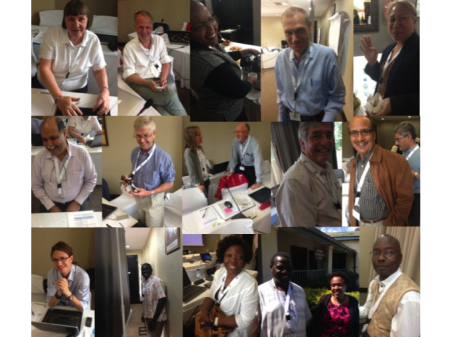
Here are some members of that band.