-
There’s a wave of groundwork being laid — genomic, cultural, and geospatial — for opportunity crops, but the governance, disease-pressure, market and environmental constraints that marginalized them in the first place are still very much active, and in some cases actively winning.
- Constraints on crop diversification under drought: Multi-scale evidence from California’s San Joaquin Valley. Consolidation, land tenure and water access limits farmers’ ability to switch crops.
- Fragmented urban food governance and impacts on the marginalisation of indigenous crops in Ghana. City plans sideline indigenous crops, and communities pay the price.
- Full Genome Characterization of the Causal Virus of Yellow Mosaic Disease in Mungbean Minicore Accessions. Technical barriers block the path from potential to harvest.
- Capsicum pubescens Ruiz & Pav.: evolutionary history, domestication, genetic resources and future opportunities for an overlooked Andean crop. Genomic evidence reveals substantial diversity in this overlooked Andean pepper but also major conservation gaps, particularly in Bolivia, highlighting opportunities for both crop improvement and biocultural conservation.
- Bitter vetch (Vicia ervilia (L.) Willd.): current research advances and future perspectives for a neglected legume crop. It was dropped because of anti-nutritional quirks, but should, and could, return for marginal lands.
- Genetic characterization of a global collection of common buckwheat to harness genetic resources for agricultural diversity. Hidden diversity is still out there.
- Genotype-by-sequencing of global hyacinth bean (Lablab purpureus) collections provides genomic resources for crop conservation and improvement. Diversity survives in farmer fields and genebanks.
- Wild Edible Greens Heritage in Western Crete and Its Resilience Across Greek Islands: The Role of Small-Scale Farming, Biodiversity, and Isolation. Small-scale farming sustains knowledge of wild edible greens across Greek islands, showing that opportunity crops depend on living farming cultures.
- African Crop Calendar: A geo-referenced dataset of crop growing seasons across diverse agro-ecological regions. Where (or should that be when) alternative crops might fit within agricultural systems.
Nibbles: Frafra, Seed multiplication, Quality seeds, Balearic genebank, Indigenous trees double, Bruno cart, Belgian wild yeast
- Frafra potato is having a moment: an indigenous West African tuber, adored locally and mostly ignored by science, out looking for its big commercial break.
- Speaking of breakthroughs, this bus driver found his own, swapping the wheel for seed multiplication and turning five acres into a livelihood, proof that sometimes the missing link in a seed system is just someone willing to do the unglamorous middle bit well.
- Which is, per Farming First, precisely Africa’s problem at scale: only 2.5% of smallholder seed in Sub-Saharan Africa comes from formal seed companies, so a few million more bus-driver-style multipliers wouldn’t hurt.
- Meanwhile in the Balearics, the opposite direction of travel: the local seed bank is expanding to rescue tomatoes, onions and broad beans, and is looking for farmers willing to take them back.
- Indigenous fruit trees in Malawi turn out to fight malnutrition and biodiversity loss at once. Happy coincidence?
- Getting those trees into the ground well needs the same unglamorous groundwork as any good crop seed system: a Mongabay commentary argues that restoration campaigns skipping Indigenous and local seed knowledge are optimising for trees planted, not trees that survive.
- And once you’ve got the saplings in the ground, you might want to monitor how they’re doing: enter Bruno, a pushcart rigged with mobile phones that can collect field data. And not just for breeders.
- Finally, proof that not all genetic-resource hunting needs a genebank: Brussels brewers are getting people to comb the city for wild yeast, because the raw materials for a proper lambic turns is hanging around in urban trees.
What is maize good for?
Two pieces of work on maize I recently came across are unconnected as to aim and place, but nevertheless make for an interesting combined story. One asks how far maize yield can actually be pushed by the environment; the other, how far we should define its success by yield anyway.
The first study is a systematic analysis of more than 14,000 yield observations across sub-Saharan Africa. It finds that maize generally produces more grain than pearl millet, even in relatively dry environments. That complicates the familiar story that the traditional, hardy millet simply “beats” the relative newcomer, more pernickety maize in marginal conditions. And you know how much we love complicating a conventional story here.
But, heaping complication upon complication, there is a catch: maize’s performance is much less consistent. Its high yields are associated in part with hybrids and the input packages that accompany them, whereas pearl millet produces yields that are lower, sure, but also more stable. And grain weight leaves quite a lot out anyway: millet brings higher levels of iron, zinc and protein. The authors therefore argue that comparing cereal crops by yield alone can obscure their actual advantage to farmers, under their own conditions. That’s been a recurrent theme with us here, actually, come to think of it.
The Philippine experience described in the second study makes a similar point from the farmer’s side of the equation. In Laguna, farmers evaluating maize varieties did not rank them simply by how many tonnes they produced. They cared about taste, culinary uses, familiarity, nutritional value, market prospects and climate resilience as well as yield. The authors recommend involving farmers in local testing and breeding efforts, rather than treating them as merely the final recipients of fancy new varieties.
Put together, the two stories suggest a useful way of thinking about the potential, and the limits, of maize — and indeed any other crop for that matter. Maize is remarkably productive and adaptable, and the evidence does not support writing it off completely in dry conditions. But its apparent superiority depends strongly on what we measure, where we grow it, and what we put into the system.
A tonne of maize produced with expensive hybrid seed and inputs is not necessarily a better outcome than a more modest but more dependable harvest of millet; nor is a variety that comes out on top in a yield trial necessarily the variety a farmer most wants to eat, sell or grow next year.
Maize can do a great deal, but its real potential emerges only when yield is considered alongside stability, inputs, nutrition, markets and, ultimately, what the people growing and consuming it really want.
Sometimes, in some places, even maize can be an opportunity crop. Other times, not so much. And that goes for millet too.
Terere, in more ways than one
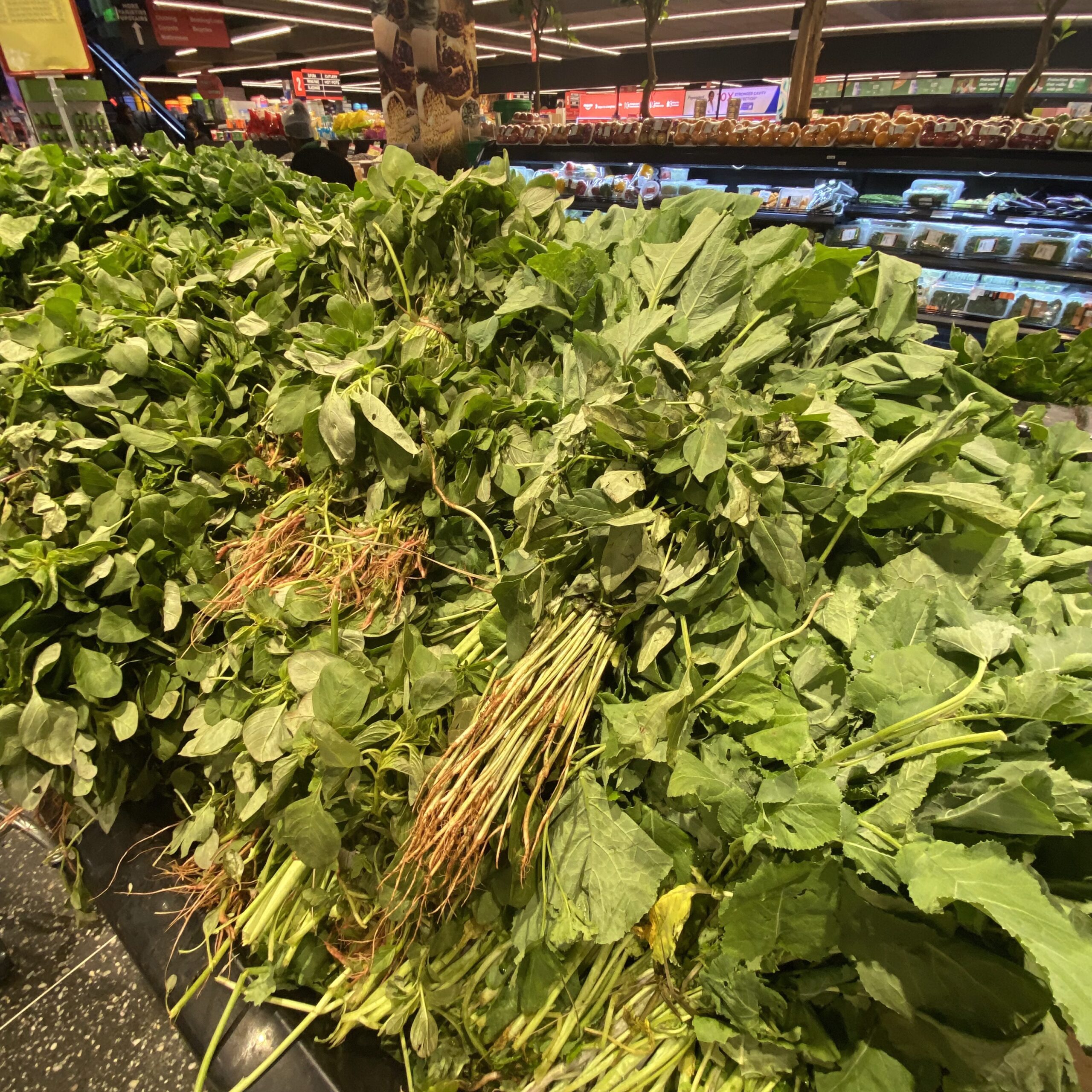 |
Terere (amaranth) is mainly a traditional leafy green vegetable in Kenya of course… |
| …and readily available these days in supermarkets. |
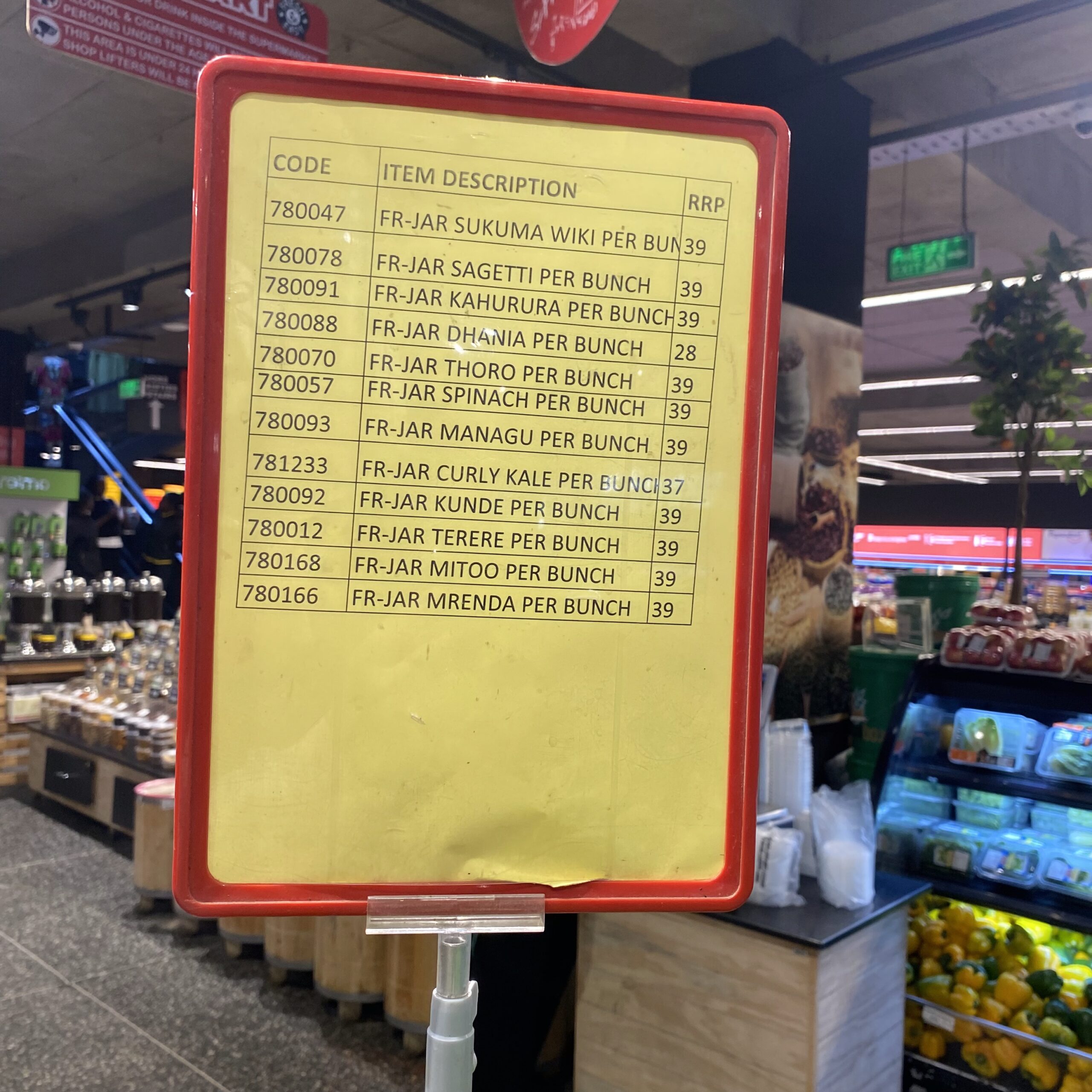 |
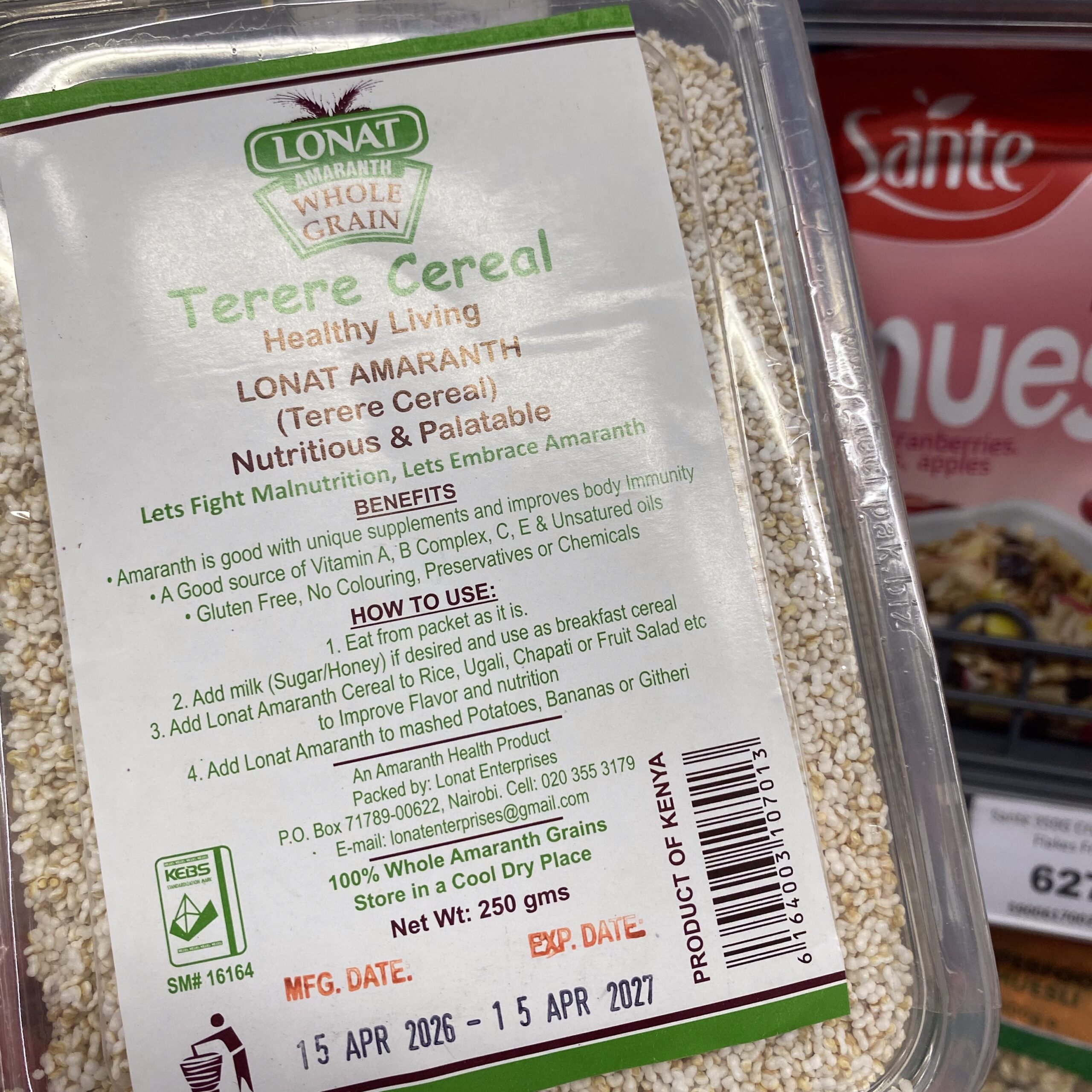 |
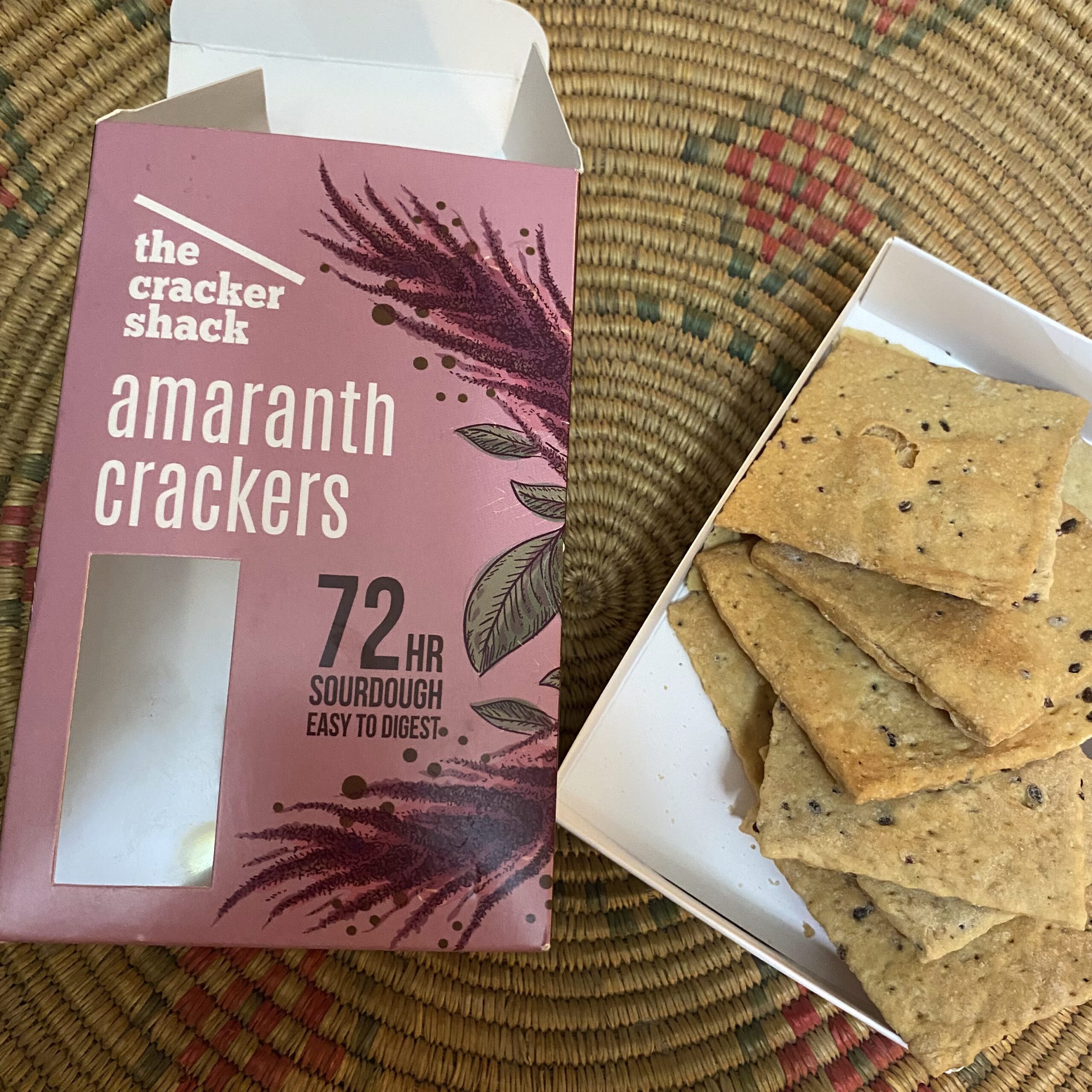
But it’s interesting to see the grain also used… |
| …in lots of interesting products. |
 |
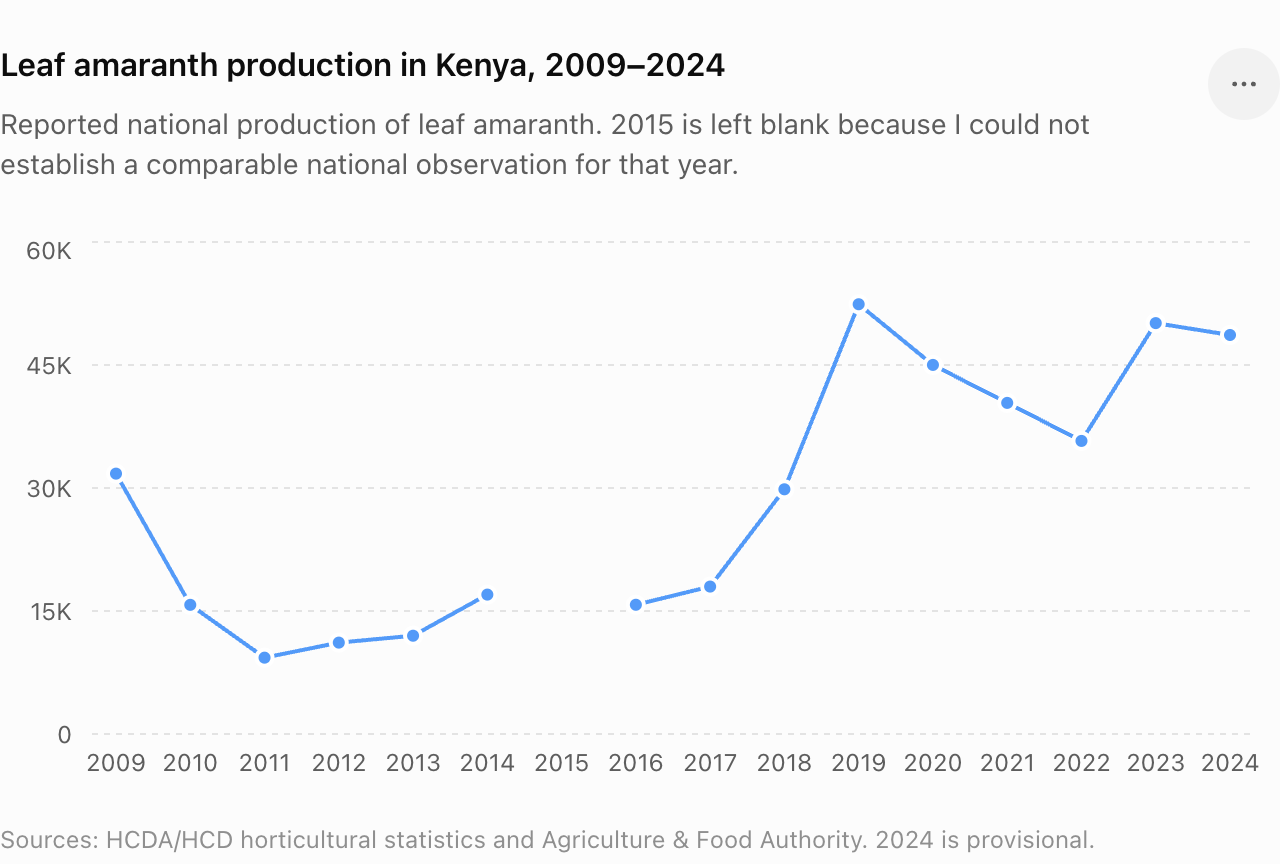
Quite the veggie revolution in the last 10 years1, but have we now reached peak terere?
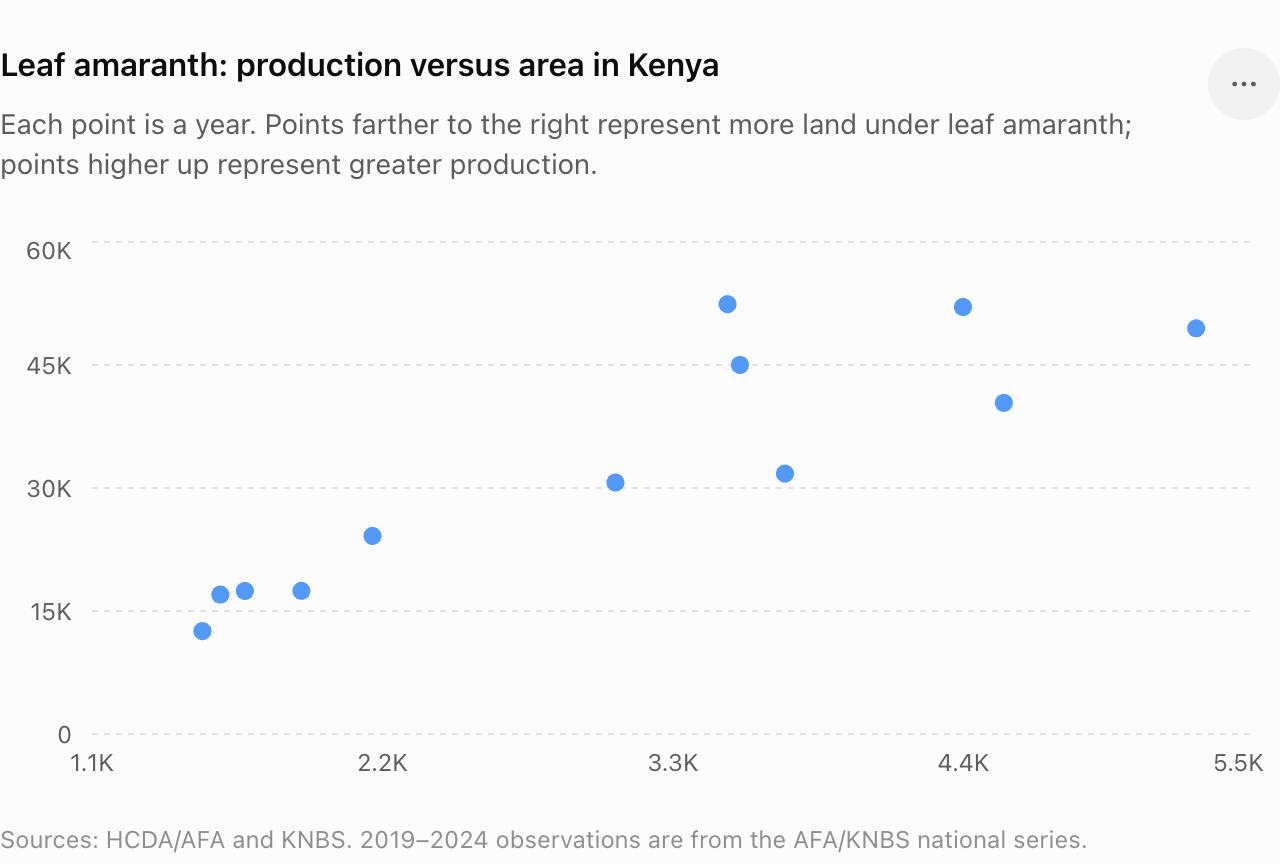
I mean, how much more land is there?
Nibbles: Kurdish genebank, Ghana genebank, PABRA, Ubu, Beyond genebanks
- Kurdistan inaugurates a new genebank in Sulaymaniyah, which Deputy Prime Minister Qubad Talabani calls one of Kurdistan and Iraq’s most important national projects.
- Ghana complements its national collection at Bunso. The new facility further north will improve drying, processing and conservation, while giving northern farmers and breeders closer access to crop diversity.
- Three decades of African bean research partnerships and networking have helped turn a staple crop into a vehicle for improved nutrition, livelihoods and climate resilience.
- In the Philippines, eight promising purple-yam accessions combine yield, sensory quality and market appeal, with Villasis 2 producing up to 60 tonnes per hectare in trials. Does it need a network next?
- However, executive director of Seed Savers Exchange Mike Bollinger’s call in Food Tank’s to carry seed diversity forward extends stewardship beyond formal institutions: Indigenous communities, farmers, gardeners and seed libraries all have a role in keeping crop diversity alive and used.