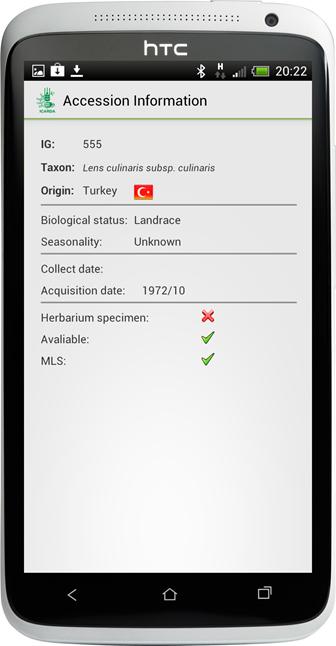
 With a mighty leap, the ICARDA genebank has just landed squarely in the 21st century. You can now download an app and search the international collection managed by the centre from your Android phone. iPhone version coming soon. If you test it out, leave your comments here and they will reach the relevant ICARDA geek.
Shea butter producers go digital


Shea producers in Leo, Burkina Faso go Digital, a set by IICD on Flickr.
Going, going, not gone?
My circles on GooglePlus alerted me to a report from NPR in the US, that the country’s oldest extant seed company is facing bankruptcy. The D. Landreth Seed Company has been going since 1784, and is credited with introducing the zinnia to the US and with popularising the tomato when it offered seed for the first time in 1820. Now the company is in trouble with its creditors.
That’s a great shame, the more so because it is happening in a country that, unlike some, 1 does not enjoy legislation preventing the sale of specific varieties. So what about market demand? Don’t people want the seeds that D. Landreth has to offer? Could it be that the company’s website is, as one commenter suggests, not entirely up to date?
At G+ Anastasia Bodnar said “it’d be sort of sad if the company went under, but as it says in the article, it’s not like the germplasm would disappear, it’d be auctioned off”.
Well, maybe, but what guarantee is there that whoever buys it would maintain it? And if Landreth can’t make a living selling that germplasm, maybe the reason is that lots of other people have the self-same varieties and are selling them successfully.
My question is this: “how many varieties offered by Landreth are not offered by another seed company in the US or elsewhere?”
In the old days, I might have checked by looking in Seed Savers Exchange’s wonderful publication the Fruit, Nut & Berry Inventory, but I see there hasn’t been a new edition since 2001, and I can’t see the database on which it was based anywhere. Having produced a UK version myself, I know how hard it is to do this kind of information wrangling, but it is really worthwhile.
<dream>Maybe I should attempt to Kickstart that effort again. </dream>
Berry Go Round hits 50
While everyone else in the civilised world enjoys a May Day off, we’re still here, toiling to bring you the best of the interwebs. Today, that includes the 50th edition of Berry go Round, the carnival of botany blogging. Fittingly (and this wasn’t planned) the host this month is Laurent at Seeds Aside, who began the whole thing way back, er, 50 editions ago. Head over there for links to a great selection of words and images about all manner of botanical subjects.
Before you go, however, consider hosting an edition of Berry go Round yourself. It’s actually quite rewarding, in its own way. All months’s from July are open. And of course submissions for May are welcome at any time.
Indian animal genetic resources institute sets its priorities
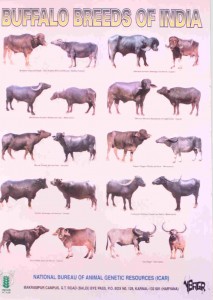 While looking for something else 2 I came across the news on the website of India’s National Bureau of Animal Genetic Resources (NBAGR) that the genome of the water buffalo has been sequenced. I also found out that you can buy attractive calendars featuring native breeds such as the one you see here. And that NBAGR has a catchy song. Alas, the Information System on Animal Genetic Resources of India does not seem to work.