Interesting to see this video explaining evolution using the domestication and modern breeding of the banana as an example.
http://www.youtube.com/watch?v=vss1VKN2rf8&feature=player_embedded#at=353Keeping track of those pesky CRPs
We’ve been keeping an eye on the CGIAR change process, of course. Of course. Particularly as it relates to what they will do about agrobiodiversity, of course. Of course. But it really is not that easy to keep track of what’s happening with the megaprogrammes, or CGIAR Research Programmes (CRPs) as they are called now. The old CGIAR website is not much use. The blog on the change process they used to have doesn’t seem to be open to all any more. 1 Their knowledge sharing program doesn’t seem to focus much on the changes that are going on. And the page on the CRPs on the new Consortium website is of Saharan aridity. One is left to the information and communications shops of the individual Centres for the latest news on the development of the CRPs, and just recently ICRAF, IRRI, and IFPRI have indeed obliged. But each in their interestingly different ways, and still not a huge amount of evidence of system thinking, at least on the communications side. Anyway, interesting to see a whole (sub)theme in IFPRI’s policy CRP devoted to research on “policies and strategies that facilitate (or hinder) access to enhanced crops and animals, as well as the exchange of germplasm.” With a special reference to neglected and underutilized crops, no less. Alas with nary a mention of the International Treaty on Plant Genetic Resources for Food and Agriculture, though. Presumably that will be dealt with elsewhere in the CRPs? No, wait…
The climate–demography vulnerability index of my mother-in-law
 Another dispatch from the outer reaches of GISland. Yesterday’s post on the likely consequences of climate change around my mother-in-law’s farm in Kenya got me thinking that it would be nice to see where that locality fits in the global vulnerability scene. One can actually do that thanks to a recent paper in Global Ecology and Biogeography. 2
The authors start by calculating something they call Global Climate Vulnerability Index (CVI)
…by combining climate change forecasts with current relationships between human density and climate. We further refined the CVI by contrasting predicted vulnerabilities with demographic growth rates to create a climate–demography vulnerability index (CDVI) reflecting the spatial disparities between demographic trends and climate-consistent population growth.
The global map of CDVI is Fig. 5 in the paper. But how to get that into Google Earth? Thanks to the raw GIS files from one of the authors, and some R magic from friend and occasional contributor Robert, I now have a kmz file of CDVI, on top of which I can easily plot the location of the mother-in-law’s spread at Gataka near Limuru. In the map below, dark blue is bad, light blue less so.
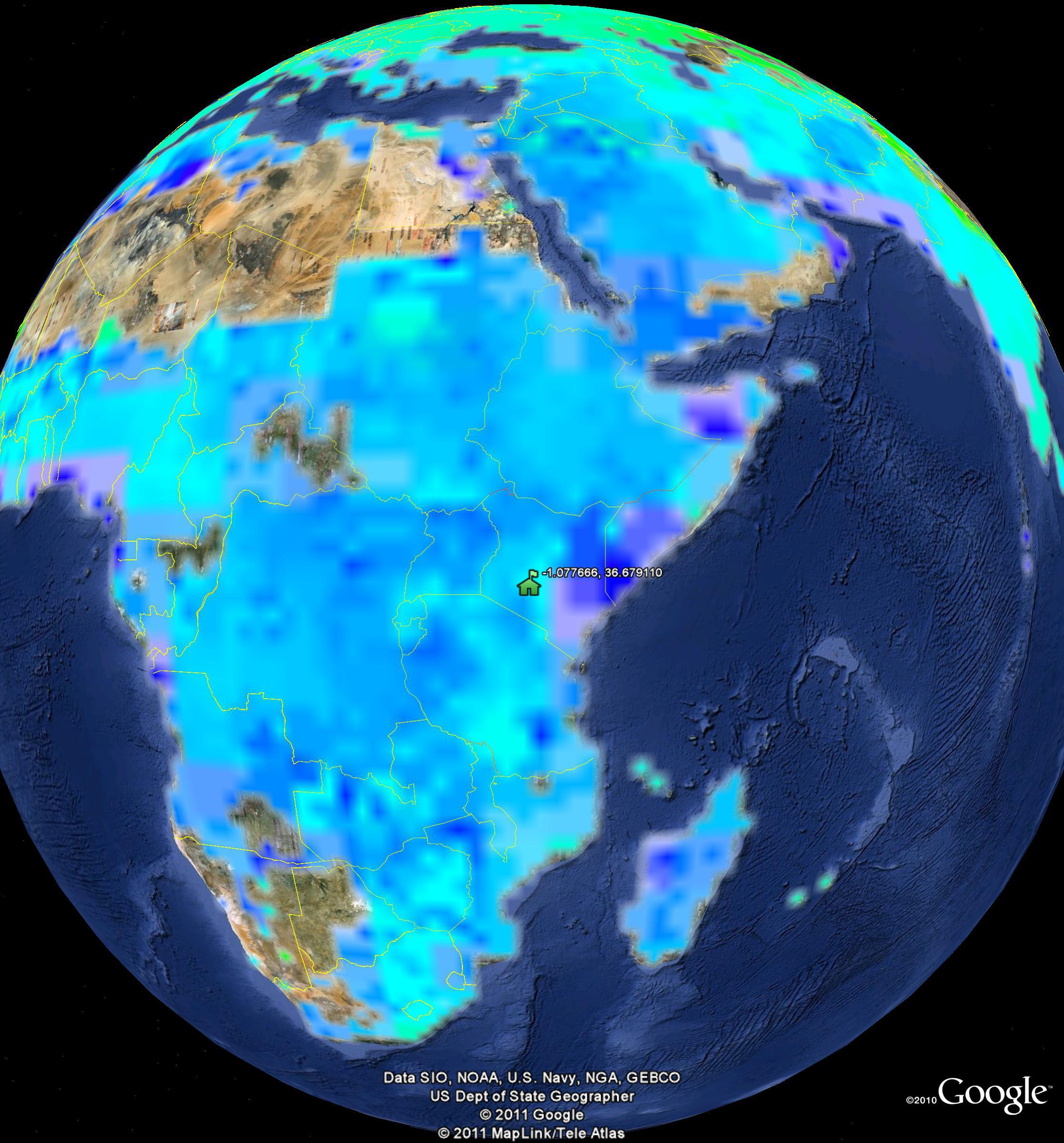
Gataka turns out to have a slightly positive CDVI.
Highly negative values [of CDVI] … represent low-vulnerability situations where current demographic growth is much lower than climate-consistent population growth, while highly positive values … represent high-vulnerability situations where current demographic growth vastly exceeds climate-consistent population growth.
So, bad news for the mother-in-law, but not actually as bad as I feared. I wonder if I can persuade her to diversify. Perhaps into indigenous leafy greens. And sorghum, as maize seems to be heading for trouble. SPAM says sorghum should be the main crop here anyway. It may yet turn out to be right.
FEATURED: More SPAM on the menu
The SPAM discussion continues. That would be SPAM the Spatial Production Allocation Model, for those who haven’t been paying attention. Next up in Churchillian mood is Stanley Wood:
What steps are we taking to improve the reliability of this data? Actually quite a few. Not all of which bear fruit in the short term.
But read about them anyway. There are other comments in there too. Including the expected one from Jacob suggesting that the answer is, wait for it, crowsourcing.
More messing about with Droppr
I continued my exploration of IFPRI’s wonderful Droppr software by looking at its future climate tool. You click on a spot on the Earth and it tells you how total precipitation and average temperature will change, for each month of the year. Again, I did it for the mother-in-law’s farm, and this is the result:
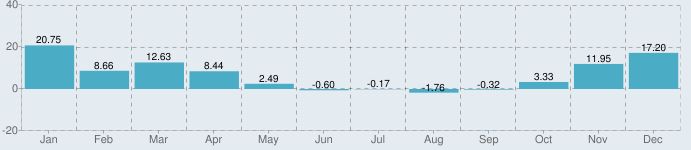
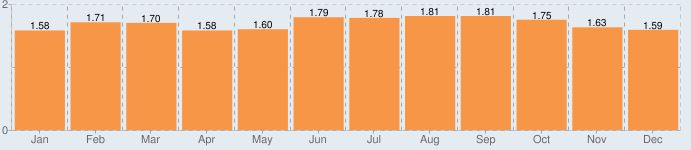
Looks pretty bad, at least for temperature. Although of course, for maize at least, which is the main food crop in that area, what you really want to know is peak, rather than average, temperatures. That’s according to a study by David Lobell and Marianne Bänziger we nibbled a few days back, and which recently got a big write up in The Economist:
Days above 30°C are particularly damaging. In otherwise normal conditions, every day the temperature is over this threshold diminishes yields by at least 1%. Moreover, days where the temperature exceeds 32°C do twice the harm of those at 31°C. And during a drought, things are worse still. Then, yields take a hit of 1.7% per day over 30°C.