- Biogeographic Information System Spatial Ecological Analysis of Megavertebrate Populations. Not agrobiodiversity by any stretch but stunning all the same, and a clarion call to our community to sort out Genebank Database Hell, surely.
- Traditional paddies as ecosystems. Great ones, too.
- Title says “seed banks susceptible to sham samples,” text says not really, and maybe it doesn’t matter much anyway. Our take from a few days ago.
- China’s millet useful in Africa. Which millet? Your guess is as good as mine.
- Cherimoya going seedless.
- Annex 1 list of International Treaty on PGRFA to expand? Well, maybe. Whatever, wow.
- Lecture materials on conservation and use of animal genetic resources.
- The ancient fast foods of Greece.
- Conserving heirloom apples. Nice gig if you can get it.
African indigenous vegetables information published
Notice of the publication of the new book “African Indigenous Vegetables in Urban Agriculture” by Earthscan allows me to point out that Bioversity has also just published a study of the impact of its interventions in that area of agrobiodiversity.
Cooperation in Bali, now and then
As the Fourth Regular Session of the Governing Body of the International Treaty on Plant Genetic Resources for Food and Agriculture gets off the ground in Bali, Indonesia, it may be useful to reflect, as Steve Lansing does in a fascinating talk, on what modern agriculture can learn from Balinese rice production. It turns out to be a lesson about the benefits of cooperation. 1
Synchronised irrigation schedules improve harvest and also reduce variance in harvests. The reduction in variance is potentially significant, because large differences in harvest could discourage cooperation by farmers with suboptimal harvests.
Genebanks under threat all over
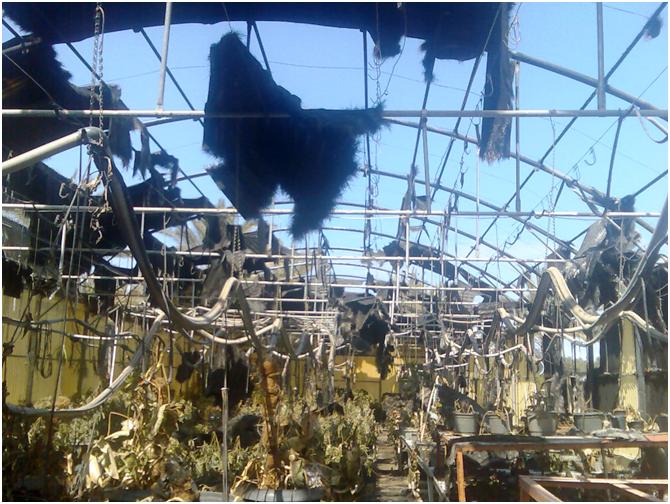
More bad news for the Egyptian Deserts Genebank. El-Sayed Mohamed El-Azazi tells us of a fire on Thursday 10 March, mainly affecting the glasshouses, by the look of it. The cause is unknown, but El-Sayed does say there is no security at all on the premises still. Coincidentally, there was a piece on El Masry Al Youm (Egypt Today, I believe) on the quite separate National Gene Bank of Egypt the very next day, painting a somewhat surreal, under the circumstances, picture of tranquility and business-as-usual.
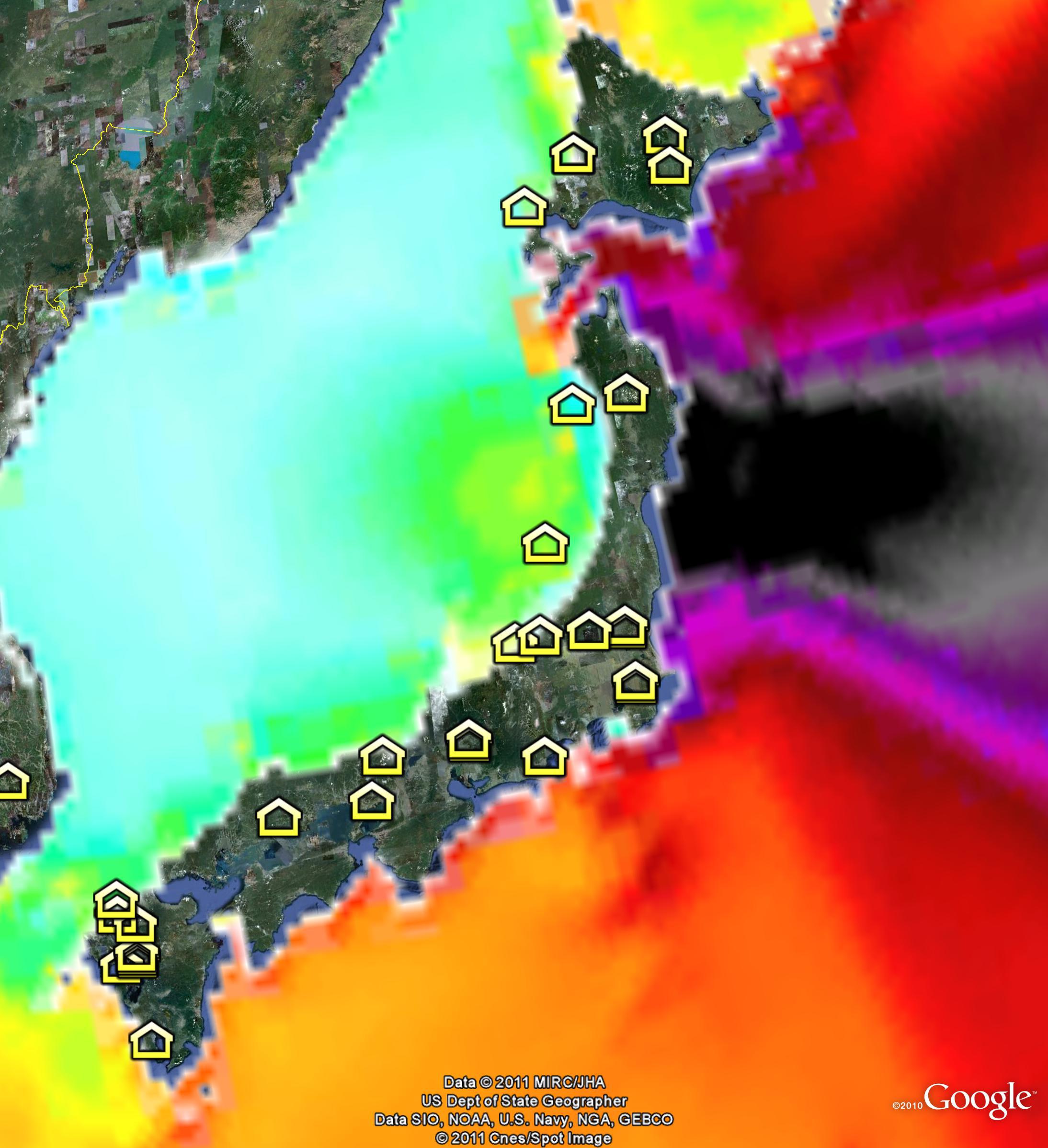
As for the situation in Japan, still no news of any damage to genebanks there. The recently published Google Earth plugin modeling the height of the tsunami is incredibly scary. Black is >250cm, even orange is 50cm.
Genebanks and tsunamis
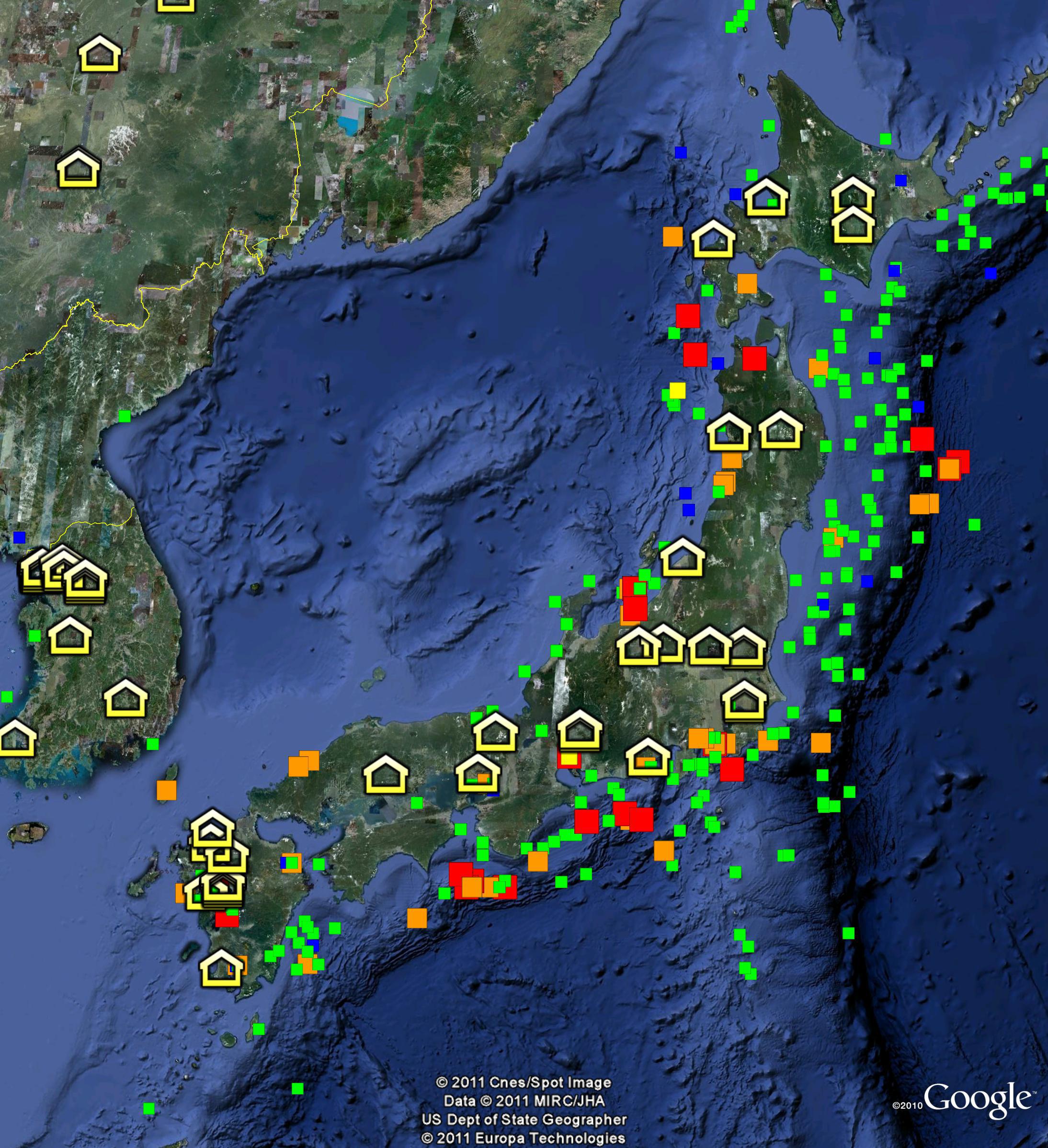
And, of course, it turns out you can indeed map tsunami risk, or at least where tsunamis have caused most damage in the past. Just download the Natural Hazards KMZ file from NOAA. This is what it has to say about Japan. The little yellow houses are genebanks. The squares are tsunamis since 1900, colour-coded for the number of casualties they caused.