Speaking of the CGIAR’s change process and its mageprogrammes, they’re now soliciting comments on the one on Agriculture for Improved Nutrition and Health, having previously done so for the one focused on “improving the productivity of livestock and farmed fish by and for the poor.” Not a bad idea, of course. Are we going to get an opportunity to do so for the “nixed” megaprogramme on agricultural biodiversity too? And why are we hearing about these consultations via FARA rather than more directly from the CGIAR? What CGIAR RSS feed am I missing?
Nibbles: Protected area management, Yam domestication, Ottoman cooking, Measuring rice drought tolerance, Proteomics, Lupinus, Areca, Jethobudho, Nutrition megaprogramme, Soil bacteria
- Concentrating management practices on conserving a particular plant species may have bad consequences for other bits of biodiversity. Lessons for crops wild relatives?
- Benin’s farmers ennoble wild yams.
- A Lebanese lunch is an educational experience. Right.
- Paddyomics video. Nothing to do with the Irish. It’s about how IRRI is automating, er, everything about its phenotyping.
- Tamarind’s environmental niche is, in fact, er, niches?
- Different wheat genomes generate distinct protein profiles.
- Phylogenetic relationships of a new Mediterranean lupin.
- Betel nut chewing endangers coral. Kinda. Traditional and all that, but an unpleasant habit nonetheless.
- Our friend Bhuwon and others tell the story of the participatory improvement and formal release of Jethobudho rice landrace in Nepal.
- CGIAR elicits comment on the Agriculture for Improved Nutrition and Health megaprogramme. Until August 1.
- Bacterial diversity boosts maize yields.
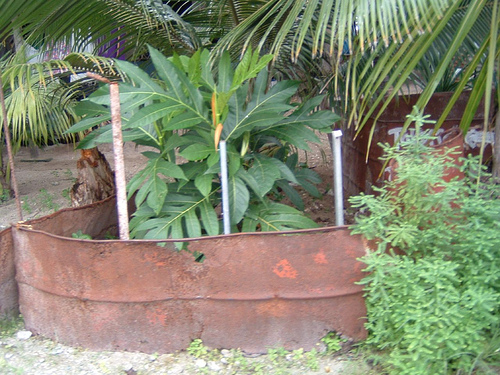
Ripe breadfruit blown from a tree in a storm
The final paragraph of The Economist’s obituary of Mau Piailug, Pacific navigator and culture hero:
In 2007 the people of Hawaii gave him a present of a double-hulled canoe, the Alingano Maisu. Maisu means “ripe breadfruit blown from a tree in a storm”, which anyone may eat. The breadfruit was Mau’s favourite tree anyway: tall and light, with a twisty grain excellent for boat-building, sticky latex for caulking, and big starchy fruit which, fermented, made the ideal food for an ocean voyage. But maisu also referred to easy, communal sharing of something good: like the knowledge of how to sail for weeks out on the Pacific, without maps, going by the stars.
And like plant genetic resources, including breadfruit, perhaps. Anyway, a good word to know, maisu. Pacific people really take care of their breadfruit trees, incidentally. I took this photo in Kiribati a few years back.
Announcing a symposium on Biodiversity and Sustainable Diets
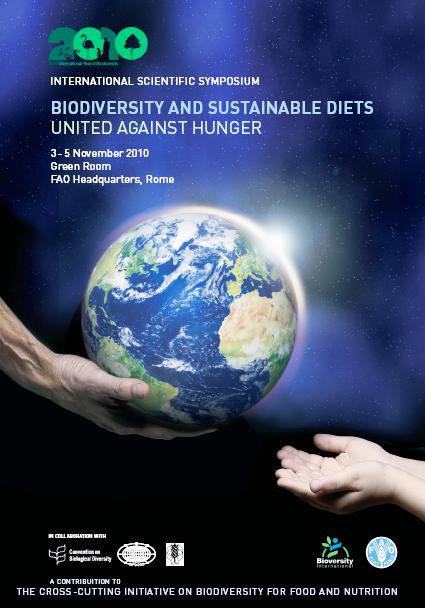 The first announcement and call for abstracts for the International Scientific Symposium on Biodiversity and Sustainable Diets is out. The symposium will take place 3-5 November 2010 at FAO Headquarters, Rome. But that’s all I know because the link to the announcement on FAO’s website is broken. (I’m writing this on Saturday: hopefully they’ll fix it on Monday.)
Wednesday: The link now goes to a Word document.
Oyster day
“Are oysters the sort of elitist, anachronistic foodstuff that should be consigned to history?” That’s the provocative question posed by an article in The Guardian’s food section today, by way of introducing tomorrow’s Whitstable Oyster Festival (July 24-30). And serendipity decreed that the answer would come on the very same day from Banjul in the Gambia, where a group of “women rely on oysters for their livelihoods and contribute to food security in a country that is heavily dependent on seafood for protein.” The workers at Ameripure Oysters and in the fisheries of Kent can probably relate to that, and they were also in the news today. Anachronistic indeed.