Just back from Heartland and, before the jetlag overpowers me, I really want to thank everyone at the North Central Regional Plant Introduction Station (NC7) in Ames, Iowa for their incredible hospitality over the past week. I know this will get to them because a couple of the people working at the station told me they visit us occasionally. Grateful for that too!
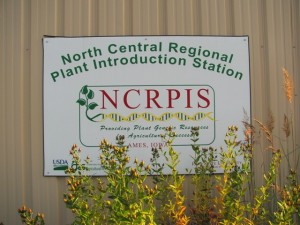
The ARS facility at Ames is the oldest of the US plant introduction stations. It’s main crop is maize, of which it has a collection of about 20,000 accessions from all over the world.
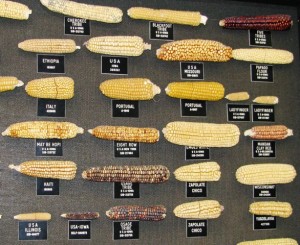
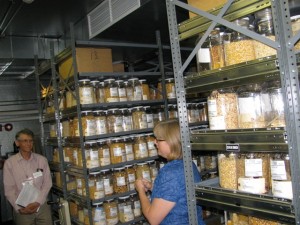
But there are also some 30,000 accessions of a bunch of other crops and wild species.
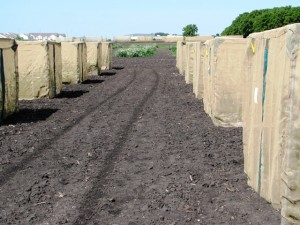
Many of the crops require careful management of pollinators during regeneration and multiplication. Fortunately, there hasn’t been any colony collapse disorder among the beehives used and maintained on the station.
Like many of the active genebanks of the USDA National Plant Germplasm System, the one at Ames benefits from an almost symbiotic relationship with nearby Iowa State University, with some staff also having university duties and many students gaining hands-on experience in the genebank.
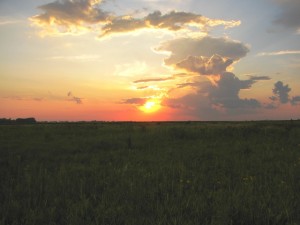
Also nearby is a fascinating prairie remnant, Doolittle Prairie, which houses about a dozen crop wild relatives. I’ll say a bit more about that in due course, but here’s what the place looks like at sunset.
Thanks again to everyone at NC7!