I suppose this means genebanks have hit the mainstream, but I wish the guy had got it right.
Nibbles: Pluots, Village chickens, Axolotl, Artisanal fishing, Fruit and climate change, Stamps, Hornless cattle, Artemisin for malaria, Aquatic agroecosystems characterization, Speciation and ploidy
- What’s the difference between pluots and plumcots? By the guy who wrote the book.
- ACIAR publication on village chickens, and another. Thanks, DAD-Net.
- Modeling the axolotl, the edible Mexican salamander, before it’s too late.
- Artisanal fishing data. Via.
- USDA looking to expand its fruit collection to cope with climate change. NOt the only ones, I imagine.
- Danes stamp on allotments. No, wait. Allotments on Danish stamps.
- Aussies find genetic marker for hornless cattle that will jump on barbie by themselves.
- Breeding better Artemisia annua.
- The diversity of farmer-managed aquatic systems in SE Asia.
- 15% of angiosperm speciation events are accompanied by ploidy increase. Much more in domesticated species, I bet.
Nibbles: Seed travels, Carotenoids in cucumbers, Tea and hibiscus, Sea level rise, Tewolde on climate change, SPGRC
- After a year’s travel in search of seeds, Adam Forbes turns in his report.
- The genetics of orange-fleshed cucumbers elucidated.
- Tea and hibiscus booze.
- Video of honey harvesting.
- Maps of sea level rise. All somewhat unsatisfying, somehow.
- “Because we are poor, we shall suffer first but, ultimately, we shall all die together.”
- SADC Plant Genetic Resources Centre (SPGRC) director Paul Munyenyembe does the public awareness thing.
Thank you, Ames!
Just back from Heartland and, before the jetlag overpowers me, I really want to thank everyone at the North Central Regional Plant Introduction Station (NC7) in Ames, Iowa for their incredible hospitality over the past week. I know this will get to them because a couple of the people working at the station told me they visit us occasionally. Grateful for that too!
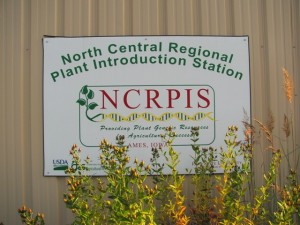
The ARS facility at Ames is the oldest of the US plant introduction stations. It’s main crop is maize, of which it has a collection of about 20,000 accessions from all over the world.
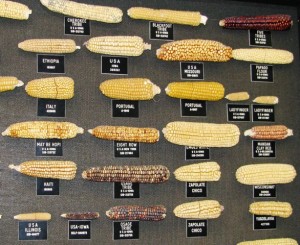
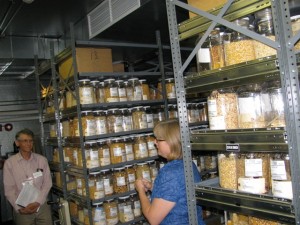
But there are also some 30,000 accessions of a bunch of other crops and wild species.
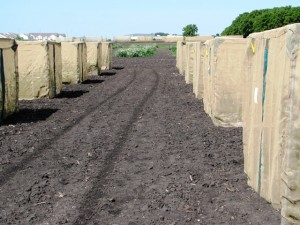
Many of the crops require careful management of pollinators during regeneration and multiplication. Fortunately, there hasn’t been any colony collapse disorder among the beehives used and maintained on the station.
Like many of the active genebanks of the USDA National Plant Germplasm System, the one at Ames benefits from an almost symbiotic relationship with nearby Iowa State University, with some staff also having university duties and many students gaining hands-on experience in the genebank.
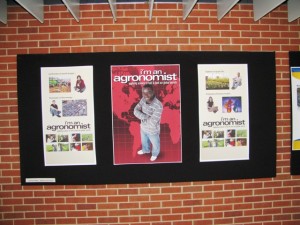
Also nearby is a fascinating prairie remnant, Doolittle Prairie, which houses about a dozen crop wild relatives. I’ll say a bit more about that in due course, but here’s what the place looks like at sunset.
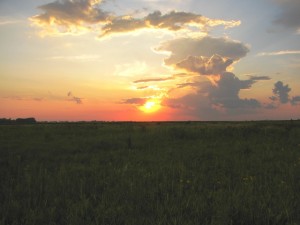
Thanks again to everyone at NC7!
Swaminathan says genebanks vital to cope with climate change
Gene banks are critical to preserving the biodiversity needed to develop crops that can cope with climate change, says agricultural scientist M. S. Swaminathan.
‘Nuff said, I think.