Lots of botany in the ether today from #Bot21C #globalplants @JSTORPlants @UNESCO good to feel the inspiring and positive vibes
— Sandra Knapp (@SandyKnapp) September 23, 2014
Indeed. And thanks Sandy Knapp for keeping us all informed.
Agricultural Biodiversity Weblog
Agrobiodiversity is crops, livestock, foodways, microbes, pollinators, wild relatives …
Lots of botany in the ether today from #Bot21C #globalplants @JSTORPlants @UNESCO good to feel the inspiring and positive vibes
— Sandra Knapp (@SandyKnapp) September 23, 2014
Indeed. And thanks Sandy Knapp for keeping us all informed.
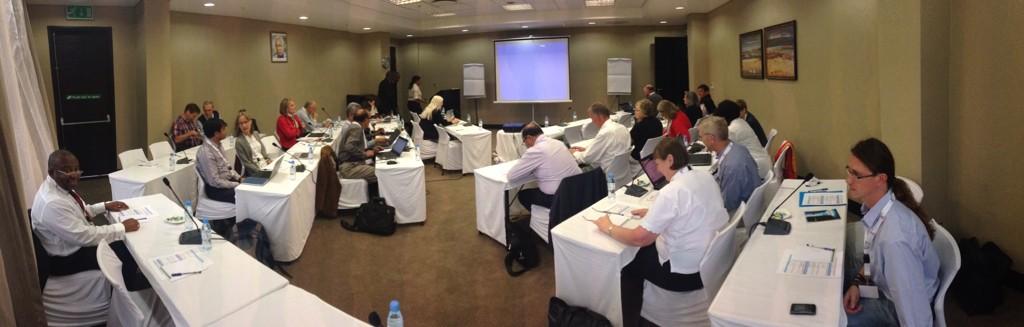
Another report from one of our correspondents at the International Horticultural Congress in Brisbane, this on the symposium on Utilization of Plant Genetic Resources:
The full day symposium keynote by Dr Ehsan Dulloo of Bioversity International covered the broad topic of developing strategies for conserving plant genetic diversity. Individual presentations covered a wide range of topics and crops, including: roots/tubers (sweet potatoes, yams, cassava), aroids and breadfruit in the Pacific Islands; use of native species to restore costal landscapes impacted by cyclones in Fiji; conservation of wild temperate small fruit species such as Vaccinium in Canada (blueberries and cranberries); use of the underutilized tea tree (Melaleuca alternifolia) in Australia; conservation of mango landraces on-farm in India; characterizing the morphological and genetic diversity of baobab (Adansonia digitata) in Kenya; and the cryopreservation of clonal genetic material of apple, peach and nut trees (Juglans spp), among others. The common thread that ran though most of these presentations is that a lot of work still needs to be done to understand the genetic diversity that we have and the best way to conserve it (in situ & ex situ), such that it leads to optimal use of these important genetic resources.
There’s one more of these updates from IHC2014 in the pipeline, which we’ll probably put up tomorrow.
National Geographic’s eight-month series on food has caught up with Colin Khoury’s blockbuster paper on how many crops feed the world. The infographic on diet similarity looks ok on the printed page, I guess:

But it’s way cooler online.
You remember the 3000 rice genomes project? You know, the one that represents the future of genebanks? Well, if you were wondering which 3000 accessions were actually chosen for sequencing, you can get that information, and much, much more, on the new website of the International Rice Informatics Consortium. Happy browsing. Well, maybe not on this page, which seems to need some work.